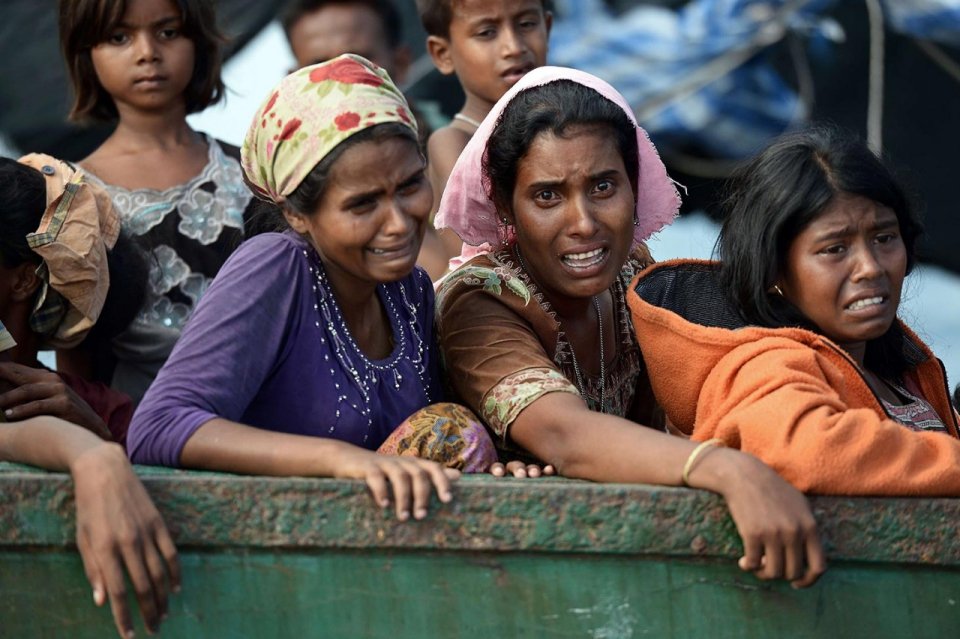
Who Will Save The Rohingyas? What Are SEA Leaders Doing To Handle The Crisis?
Thousands of Rohingya refugees continue to drift aimlessly off the coast of Malaysia, Thailand, and Indonesia, yet leaders from Myanmar, Bangladesh and the aforementioned countries are still playing "a game of marine ping pong" without a foreseeable solution to the crisis.


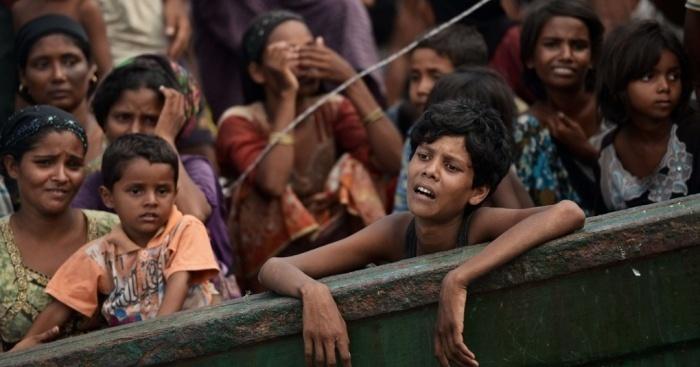 Cover image via Christophe Archambault / AFP / Getty Images
Aung San Suu Kyi not invited to global meeting due to continued silence on plight of Rohingya migrants


Image via Reuters
Nobel Peace Prize laureates Desmond Tutu, José Ramos-Horta and Mairead Maguire as well as philantrophist George Soros recorded video statements for the meeting, focusing on ways to end the decades-long persecution of Rohingyas and the need to speak out

Aung San Suu Kyi, who won a Nobel Peace Prize in 1991 for her "non-violent struggle for democracy and human rights", has remained largely reticent on one of Southeast Asia's worst humanitarian crises.
When asked about the issue, she remarked that it is the Myanmar government's responsibility to solve it.
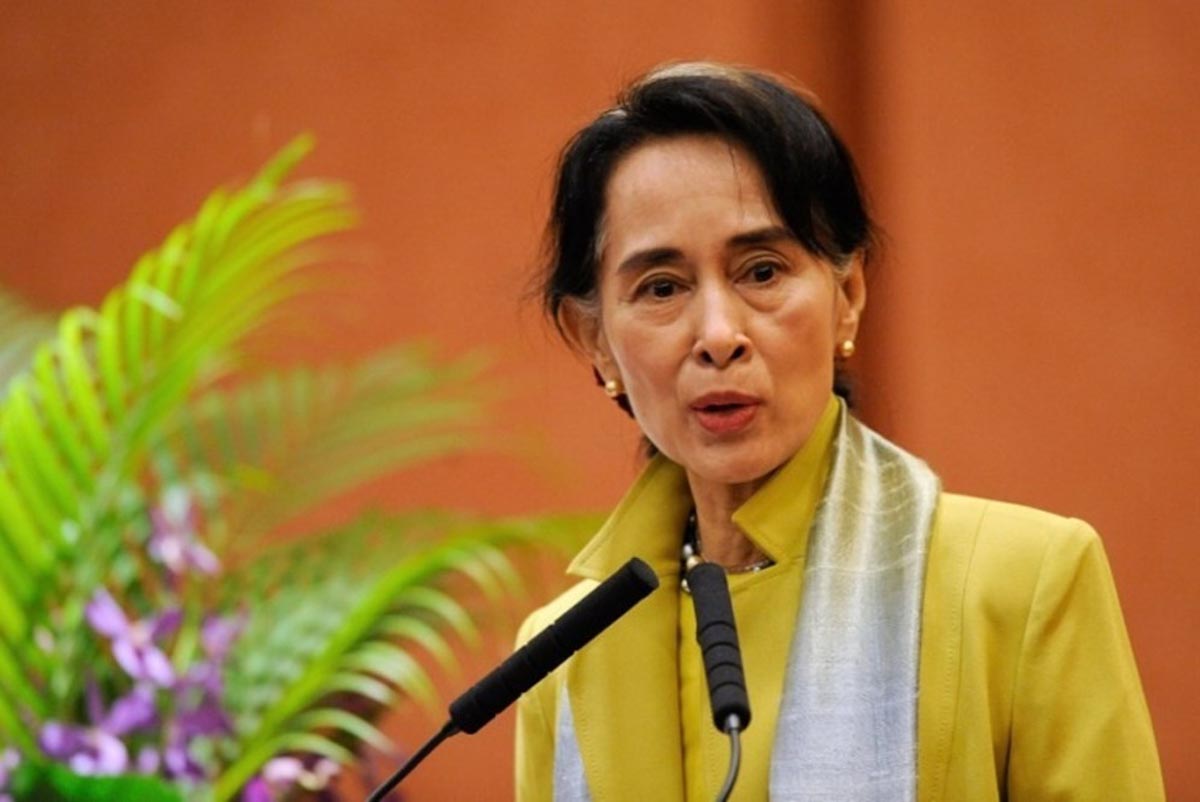
Critics and observers are of the opinion that Suu Kyi may have opted to keep mum over the migrant crisis to protect her opposition party, the National League of Democracy's (NLD) electoral interests

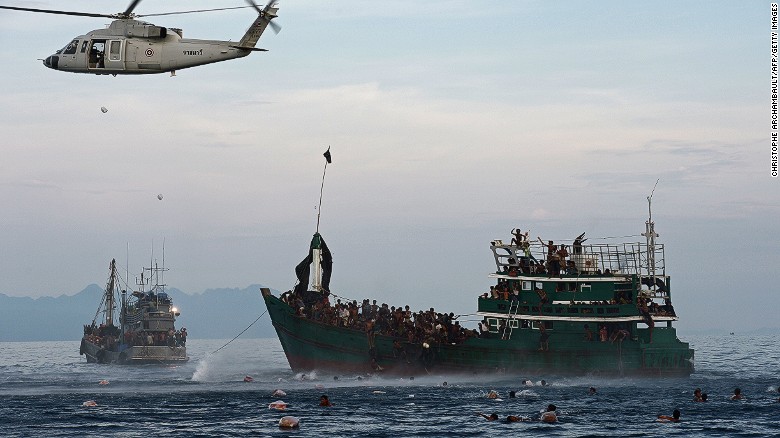
Meanwhile, the United States military has begun surveillance flights in the search for Rohingya and Bangladeshi boat people who are stranded in the Southeast Asian seas
25 May: Penang suggests using vacant NS camps as temporary shelters for Rohingya boat-people
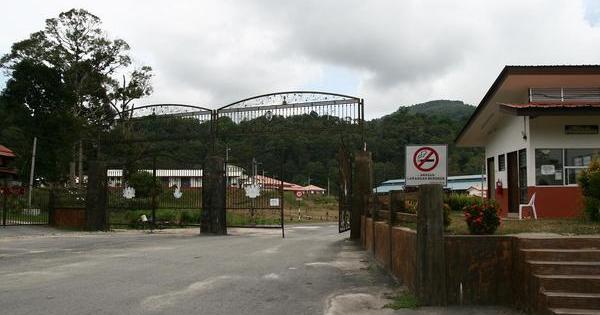
Image via Nicholas Chan / Flickr
Home Minister Datuk Seri Dr Ahmad Zahid Hamidi had previously challenged the state's "sincerity" in championing human rights after Penang CM Lim Guan Eng was reported to have said that Penang's lands are not sufficient to house refugees
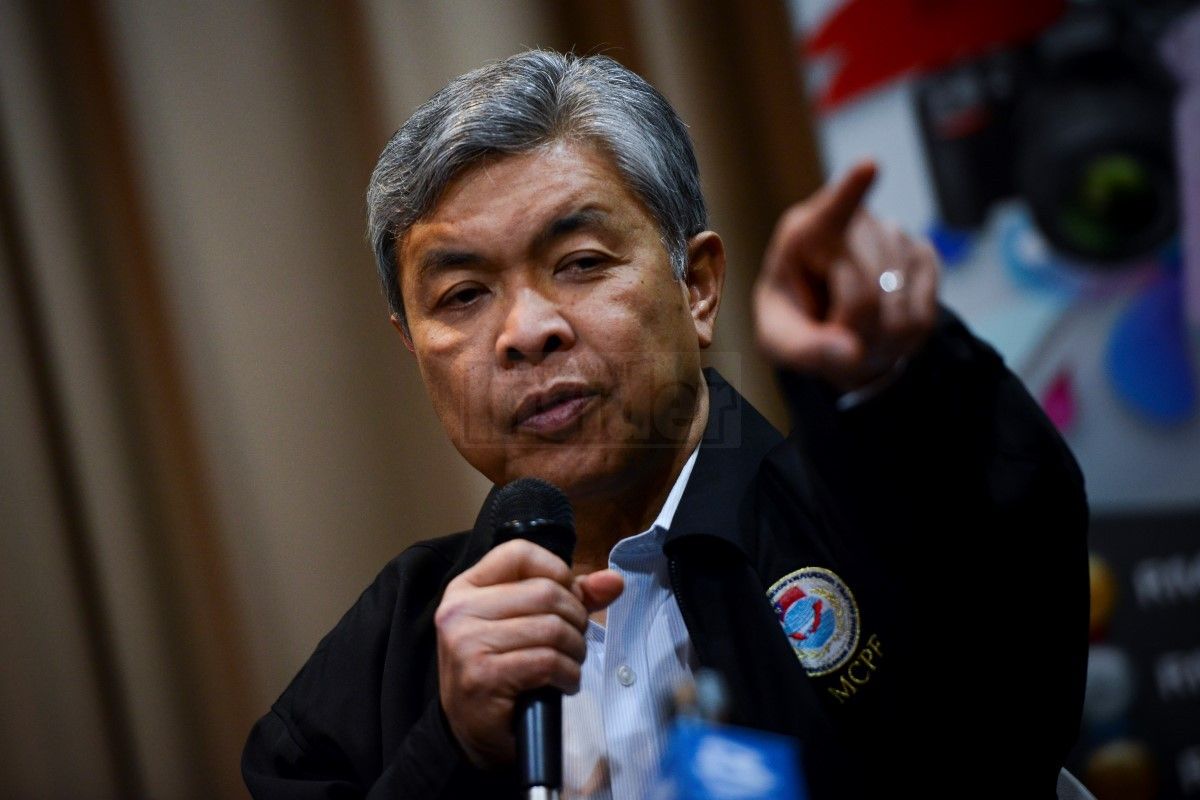
Image via The Malaysian Insider
Lim then rebutted by telling Ahmad Zahid to not politicise what is supposed to be a "humanitarian issue". He also said Penang is ready cooperate, but they have not been given any information from the Federal Government

In a darker twist of events, the Home Minister has confirmed the discovery of mass graves with more than 100 dead immigrant near the Malaysia-Thai border in Perlis. Police also found 17 tents, which are suspected to have housed trafficking victims.

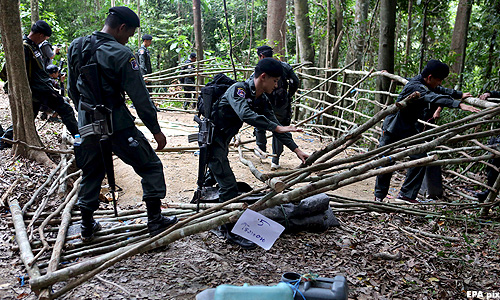
Image via EPA
Meanwhile, Indonesian armed forces and the Turkish navy has joined the Malaysian navy in the search and rescue missions for Rohingya and Bangladeshi migrants stranded at sea. Turkey has also pledged to add $1 million to aid humanitarian efforts for the stranded migrants.

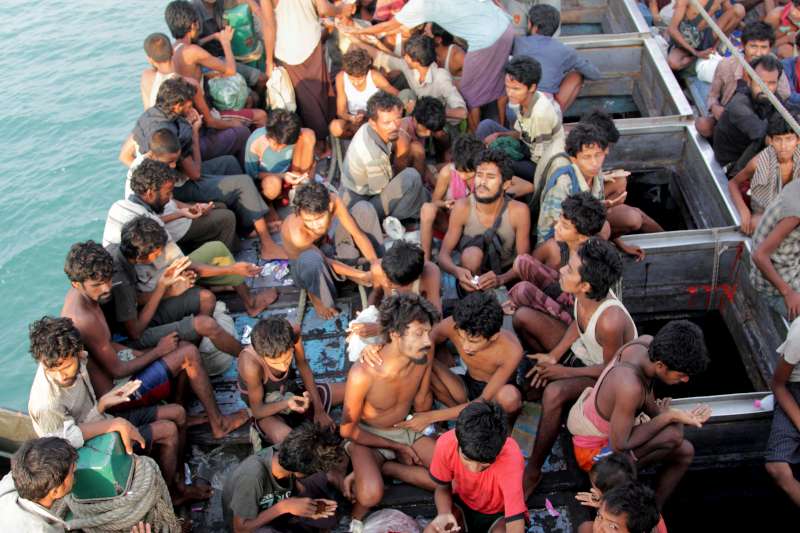
Image via UNHCR
22 May: Thai PM tells critics to "migrate out to the sea" and swap places with Rohingya migrants

Image via Reuters
On 21 May, Indonesia and Malaysia had agreed to set up temporary shelters to house Rohingya migrants while Thailand declined to do so during a meeting between all three nations.
The ASEAN Parliamentarians for Human Rights described the decision as a "colossal failure of regional leadership", but Prayut defended Thailand's stance towards migrants, saying that the country is already home to more than 900,000 refugees.
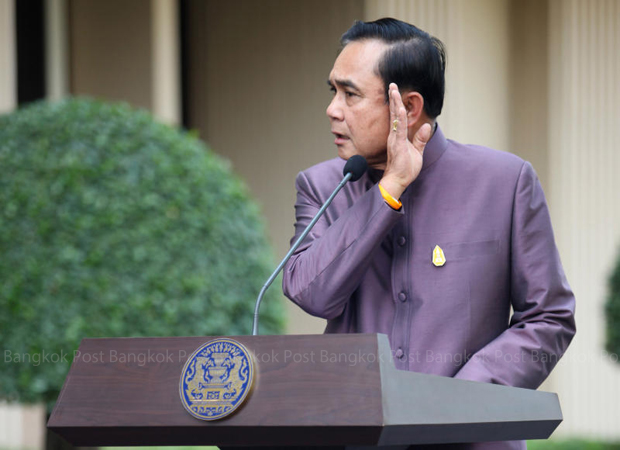
Image via Thiti Wannamontha
21 May: PM Najib orders search and rescue operations to prevent loss of Rohingya lives
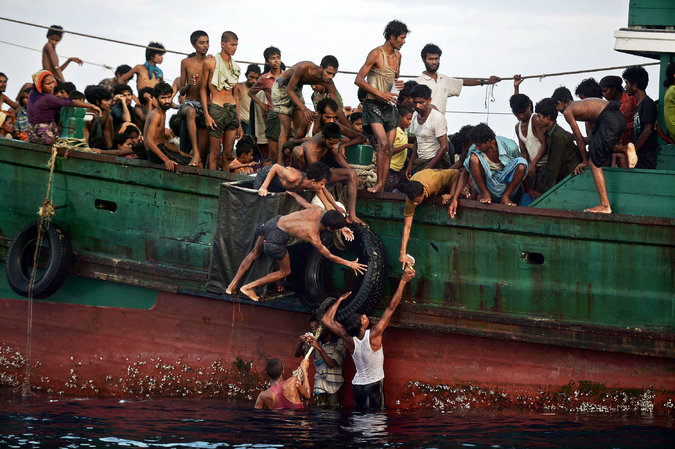
Image via Christophe Archambault / AFP / Getty
Malaysian PM Najib Razak announced on Facebook yesterday that the Royal Malaysian Navy (TLDM) and Malaysian Maritime Enforcement Agency (APMM) have been given orders to search for and rescue Rohingya migrants who are stranded at sea
TLDM and APMM have also been instructed to assist MERCY Malaysia's humanitarian efforts for Rohingya migrants, whether by sea or land
20 May: Glimmer of hope for 7,000 Rohingyas as Malaysia and Indonesia will provide temporary shelter

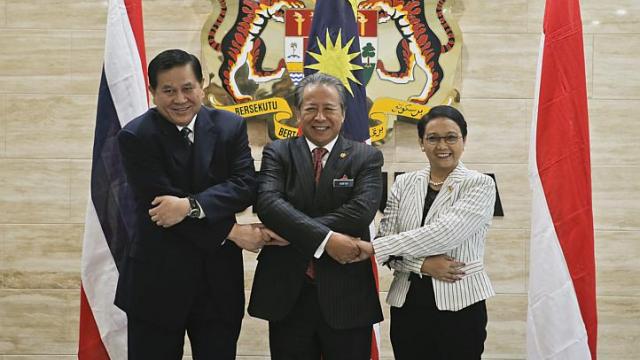
Ministers of Foreign Affairs from Thailand, Mr Tanasak Patimapragorn (left), Malaysia, Datuk Seri Anifah Aman (centre), and Indonesia, Ms Retno Marsudi (right) holding hands during a meeting on human trafficking and people smuggling in Putrajaya, Malaysia on May 2015.
Image via EPA/Straits Times
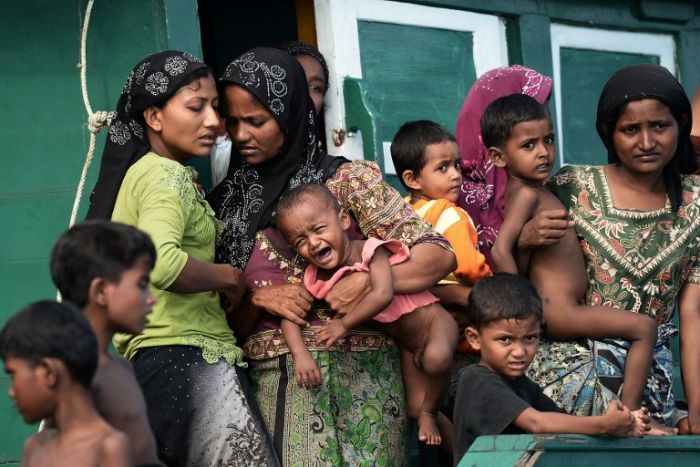
Image via Christophe Archambault/ABC
On 18 May, the Philippines announced that they will accept 3,000 Rohingya refugees stranded at sea, as Manila is a signatory to the U.N. refugee convention and the 1954 Convention Relating to the Status of Stateless Persons
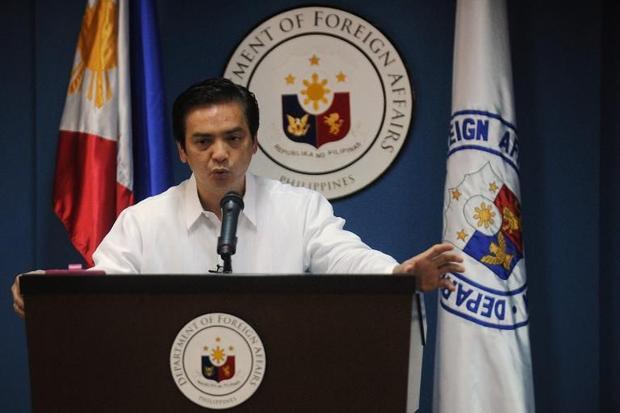
Philippines department of Foreign Affairs spokesperson Charles Jose says his country is willing to help the Rohingya and Bangladeshi migrants.
Image via Jay Directo/Digital Journal
Meanwhile, Myanmar stated that the country "shares concerns" expressed by the international community and is "ready to provide humanitarian assistance to anyone who suffered in the sea." However, the government denies any conflict in Rakhine and claims this is a human trafficking issue.

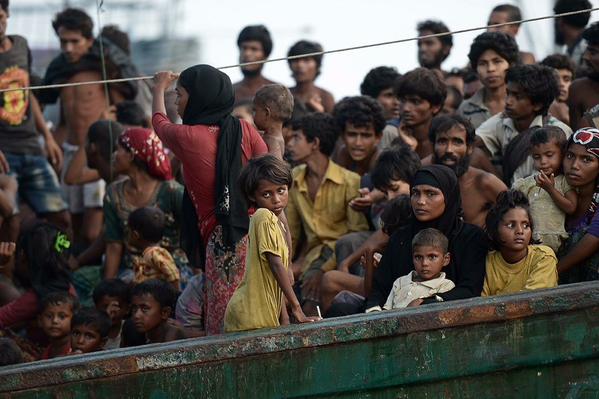
Image via On Islam
19 May: Myanmar states Thailand and M'sia are partly responsible for Rohingya migrant crisis by taking in "cheap workers"
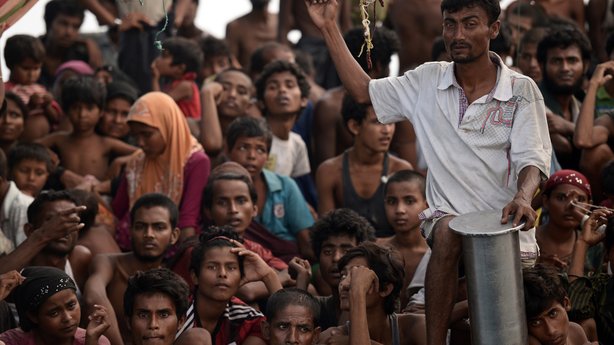
Image via AFP
While Myanmar opposition leader Aung San Suu Kyi remained silent on the issue, a spokesman for the political party National League for Democracy (NLD) made a bold statement in favour of granting the stateless Rohingyas their basic human rights
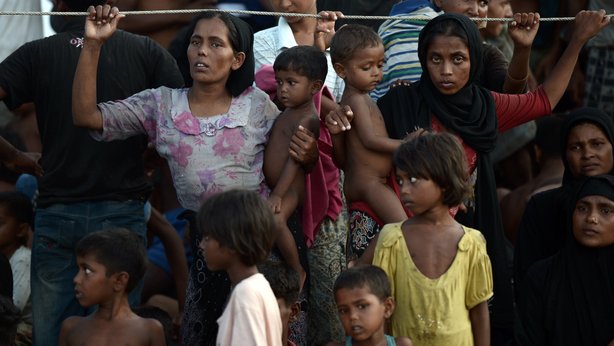
Image via AFP
Meanwhile, a boat carrying around 300 men, women and children that has been bouncing between the waters off Thailand, Malaysia, and Indonesia has not been heard from in more than 60 hours. The Thai navy had sent it on its way after repairing the engine and giving them food, medicine, and water.
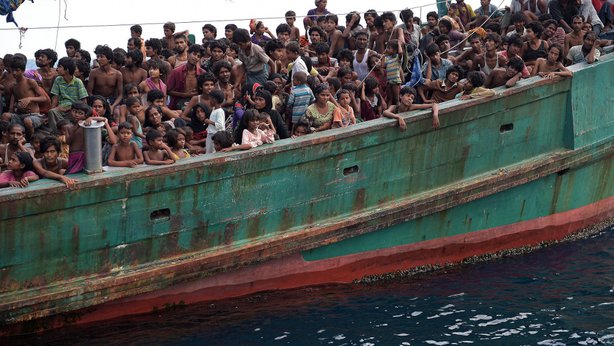
Image via AFP
In Thailand, authorities have reportedly arrested Patchuban Angchotipan, a former government official suspected of heading a major human trafficking network

Image via Reuters / The Malaysian Insider
18 May: The plight of stateless Rohingyas have been on the forefront of local and international news in the past few weeks, as thousands of refugees fleeing Myanmar and Bangladesh are left adrift in the Andaman sea and Malaccan Straits after being rejected entry into Malaysia, Indonesia and Thailand
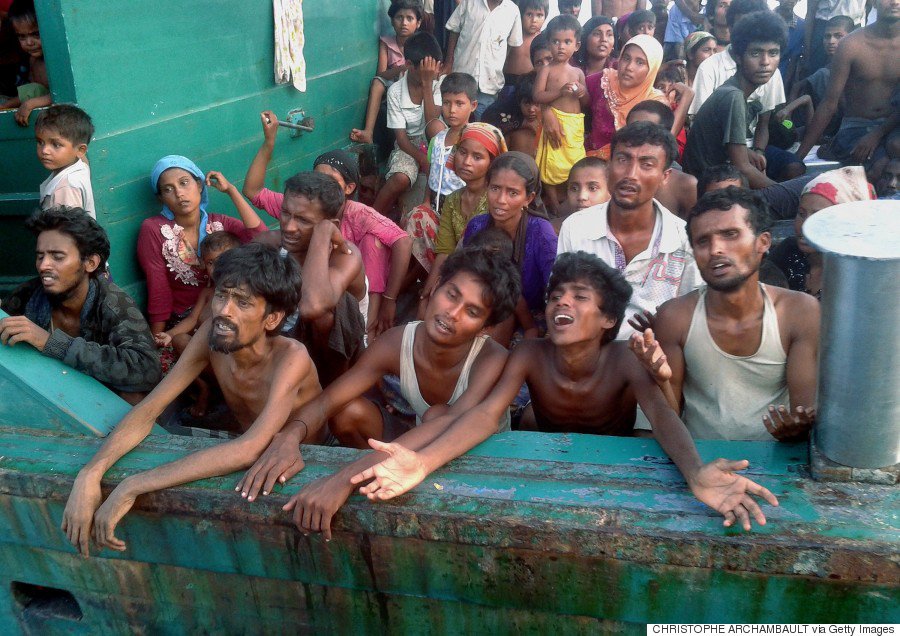

A minority group in a predominantly Buddhist nation, the Rohingya Muslims have been discriminated against for decades in Myanmar and even Bangladesh, where some have fled to after facing persecution and violence from Buddhist extremists in recent years
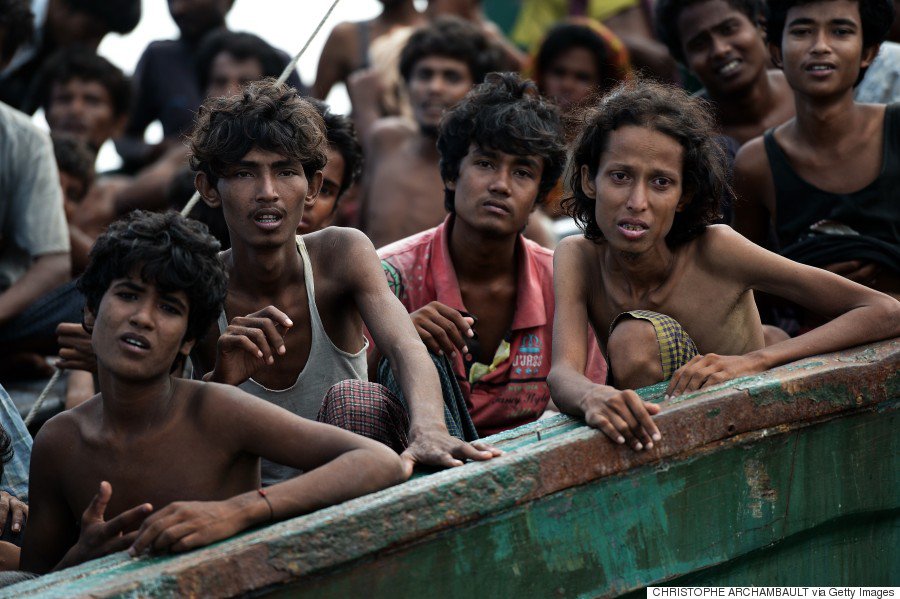
The Rohingyas are believed to have been illegally smuggled South East Asia for years by human traffickers under the promise of a better life in Malaysia and its neighbouring countries.
However, the recent discovery of shallow graves in an abandoned human trafficking camp in southern Thailand has led to a disruption of the smugglers' usual land route as well as the arrest of several officials alleged to have been involved in the trade.
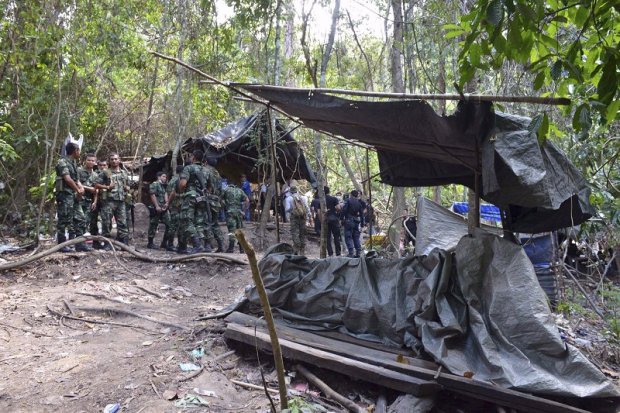
Image via The Malay Mail Online
Many traffickers and their associates, encompassing agents and brokers on land, corrupt police officers and even politicians, have since gone into hiding, leaving migrants stuck on boats for weeks and months with limited provisions and with nowhere to land
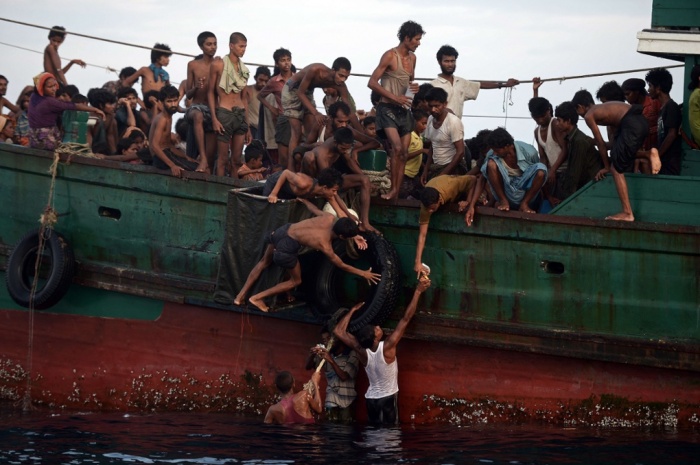
Malaysia, Thailand, and Indonesia have turned migrant boats away in recent weeks in fear of a potential unstoppable flow of refugees.
This has led to the Human Rights Watch and the International Organization for Migration criticising all three countries for playing "a game of marine ping pong" with the unwelcomed refugees.

Image via AFP

According to the United Nations (UN) refugee agency, Malaysia is currently home to 45,000 Rohingya refugees and is unable to accept more from the boatloads of migrants heading towards the country
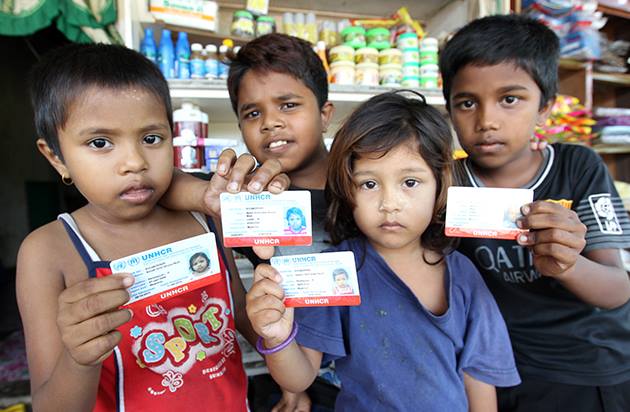
Image via Astro Awani's Facebook
UN Secretary-General Ban Ki-moon and his deputy Jan Eliasson have discussed the issue with ministers from Malaysia, Thailand, Indonesia, and Bangladesh where leaders were urged to not turn away the refugees


Image via Reuters
Malaysian Prime Minister Najib Razak has said that he will be seeking help from Myanmar to address the matter before it turns into a "human tragedy"

Image via The Star Online