 Cover image via AP Photo / Wally Santana
Three years after the World Health Organisation (WHO) declared Malaysia rabies-free, the contagious – and often fatal – disease seems to have returned with several cases reported in Perlis, Kedah, and Penang
In Penang, an 11-year-old boy from Taman Nelayan, Balik Pulau and a 44-year-old man from Pokok Sena, Seberang Perai came down with the disease in the past 2 weeks. Both have since been released from the hospital after treatment. Meanwhile, a 65-year-old man from Balik Pulau has just been confirmed to have gotten rabies after he was bitten by an infected dog.
In Kedah, 5 people have contracted rabies last week after they were bitten by stray dogs. Another 22 cases have been reported in Perlis since 19 August, where the disease is believed to have been transmitted from.

To curb the spread of the virus, Penang Chief Minister Lim Guan Eng authorised some 200 veterinary services workers to capture and put down all strays in the state




While some applaud the state government for their swift action in containing the disease, it has also drawn criticism among animal lovers and welfare groups who voiced their concerns about animal cruelty, insisting that vaccination and quarantine be implemented instead

Start Vaccinating group's protest at the Esplanade against mass culling in Penang on 20 September.
Image via Friends of BN's Facebook
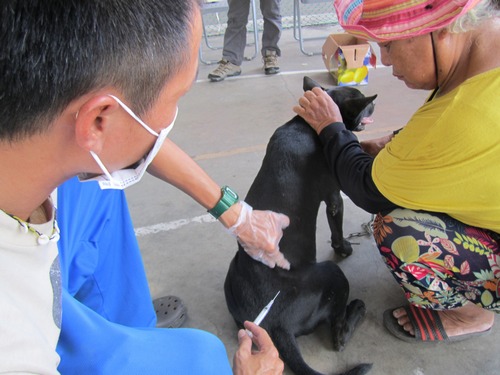
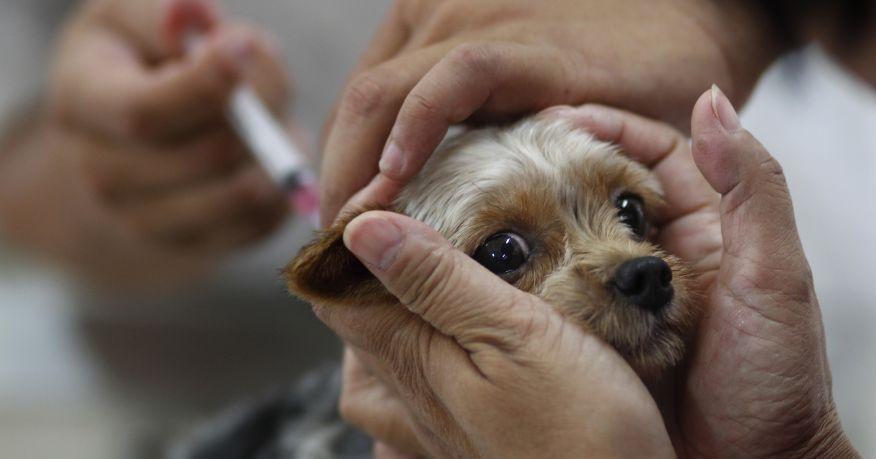
Indeed, dog owners in Penang are urged to bring their pets for vaccination at the state Veterinary Department in Bukit Tengah, Bukit Mertajam for RM35 per dose, while Kedah is providing free vaccinations and has applied for additional supplies to cater to the state's dog population
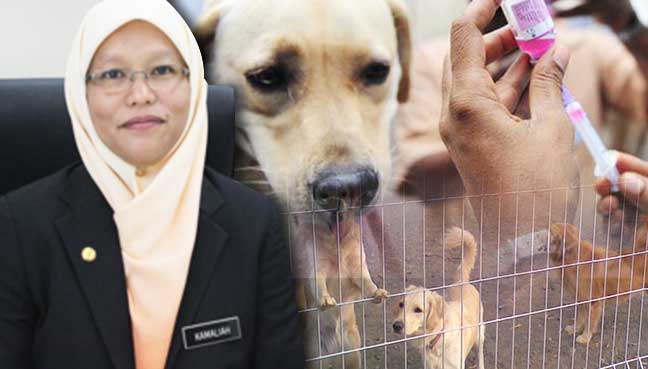
Rabies, usually spread through bites or scratches (via saliva), causes acute inflammation of the brain in humans and other mammals.
It is often fatal following the onset of clinical symptoms such as fever and tingling at the site of exposure, followed by violent movements, uncontrolled excitement, fear of water, an inability to move parts of the body, confusion, and/or loss of consciousness.


Hospitalized human rabies victim who was restrained while bedridden.
Unfortunately, no tests are available to diagnose rabies infection in humans before the disease flares up, nor is there a cure for it. Hence, it is crucial that prevention methods i.e. preventive vaccinations are implemented to curb the spread of the virus:
According to the Centers for Disease Control and prevention, the only jurisdictions that have been considered rabies-free are:
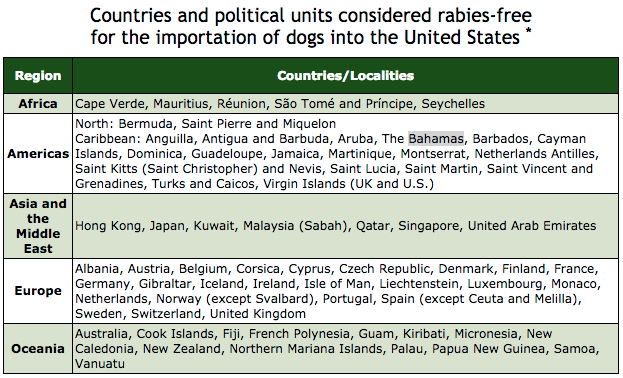
Image via CDC
What about the rest of the world, especially high risk territories such as Bali and Thailand?
Bali has had a severe outbreak of canine rabies since 2008, which has killed about 160 people as of July 2015. A mass animal vaccination program was launched in 2012, bringing down the number of rabies cases.
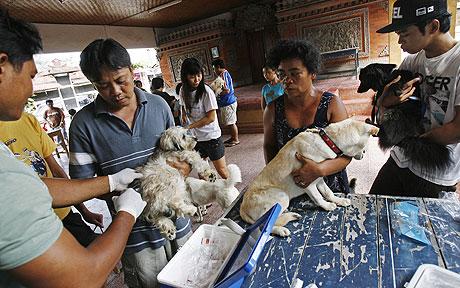
However, the disease is on the rise again, having claimed 12 lives this year. To curb the disease, Bali Governor Made Mangku Pastika ordered a culling of wild dogs across the island to criticisms from many NGOs and animal lovers.

Sri Lanka and Thailand have also recorded a sharp decline in the number of human rabies fatalities through the implementation of dog vaccination campaigns, improved accessibility to human post-exposure prophylaxis (PEP), and an effective vaccine delivery system

Image via WHO
In India, where rabies deaths are the highest in Asia, an intradermal vaccination schedule has been promoted at state level, while NGOs carried out animal birth control and anti-rabies vaccination for dogs
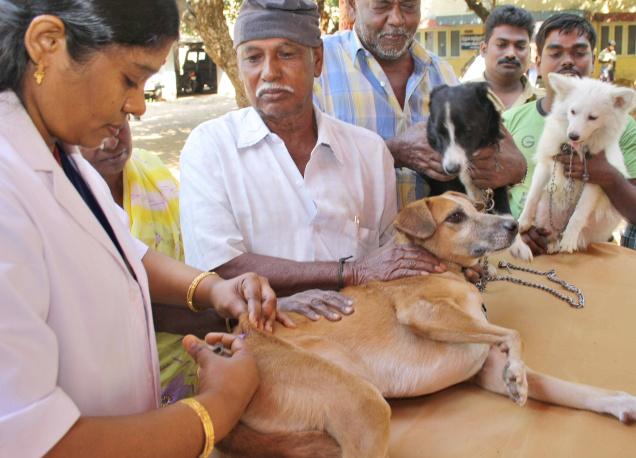
A doctor administers anti-rabies vaccine to a dog at the Veterinary Hospital in Coimbatore.
Image via The Hindu
In China, police enforced a "one family, one dog" policy, with unregistered dogs rounded up, in some districts. Dog vaccinations are free.
In 2006, in preparation for the 2008 Olympics, a mass extermination of dogs was ordered to stem rabies outbreak in some areas, prompting international outrage.