


 Cover image via
 Follow us on Instagram, TikTok, and WhatsApp for the latest stories and breaking news.
This Spotlight is sponsored by the Ministry of Finance.
The expansion of Malaysia's Sales and Service Tax (SST), which officially took effect on 1 July, has sparked concern among consumers and businesses
Many are questioning its broader economic impact, but which of these concerns are factually valid?
Here's a look at five myths about the SST expansion:
Myth 1: SST expansion will lead to widespread inflation

One of the most common myths surrounding the SST is that its expansion will trigger widespread inflation.
However, the SST is a single-stage tax applied only at the point of sale and does not cascade through the supply chain like the goods and services tax (GST).
It also only affects selected services.
While there may be some upward adjustments in specific sectors, overall inflationary impact is expected to remain limited.
Myth 2: The cost of living will spike significantly
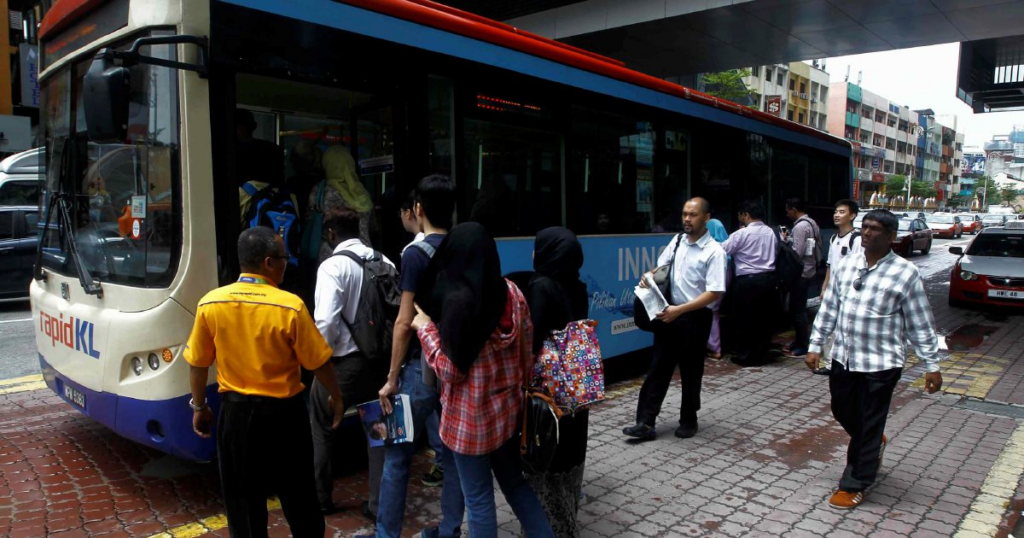
Another misconception is that the expanded SST will burden consumers already struggling with the cost of living.
However, many essential goods and services remain exempt, including staple foods, public transport, and education. The expanded SST only covers premium, high-value and niche goods.
Consumers may notice price changes in some areas but the overall impact on household expenses is likely to be moderate.
Myth 3: All businesses will scramble to comply

Some small businesses have expressed worry over compliance and potential penalties under the expanded regime.
However, only businesses with taxable service revenue exceeding RM500,000 annually are required to register for SST. This means many small and micro-businesses will not be affected.
Additionally, the SST expansion was announced during Budget 2024, giving companies nearly two years to prepare.
Myth 4: Malaysian industries will become less competitive
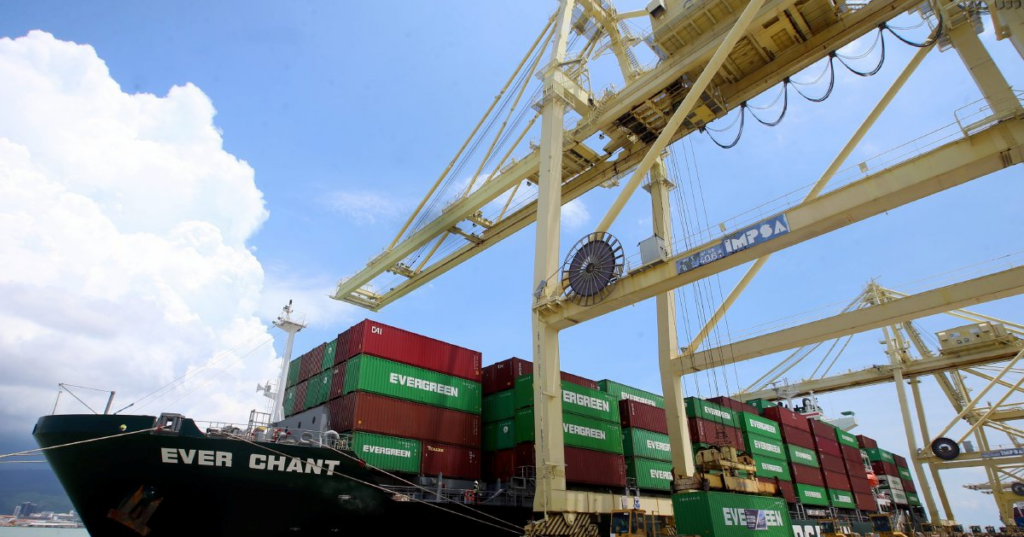
Industrial groups may worry that the expanded SST could impact Malaysia's competitiveness, particularly when input services like logistics become taxable.
However, the SST does not apply to exports and the government has exempted business-to-business services to avoid double taxation.
Any final cost impact will primarily depend on how businesses manage their operations, and not solely on SST.
Myth 5: SST is GST in disguise

Some are suggesting that the expanded SST is in actual fact a disguised return of GST, but this claim ignores key structural differences.
This claim is inaccurate. GST was a multi-stage tax with an input tax credit mechanism, which created additional administrative burdens for businesses. SST, by contrast, is a simpler, one-stage system with narrower application.
In short, SST is fundamentally not GST in scope, design, or enforcement.
Here's the bottom line: the expanded SST will introduce some changes, but many of the common concerns stem from misconceptions
While there may be minor price changes in certain areas, most essential goods and services remain unaffected.
For now, the SST expansion remains a targeted fiscal move, not a disadvantageous overhaul.
This article originally appeared on Free Malaysia Today, with rights to be republished on SAYS.
For more #news stories:
- MBG Fruit Shop Says It Will Continue To Offer Affordable Fruit Prices Despite SST
- Malaysian Hotel Prices Expected To Rise Due To Expanded SST & New Electricity Tariff
- Imported Fruits To Cost More In July. Nutritionist Offers Tips To Embrace Local Produce
- Expanded SST — Here's A List Of Everything That Will Cost 5 To 10% More Starting 1 July
Got some cool brand news to share?

Take a look at all of our Spotlight stories to date here.
