


 Cover image via abc.net.au
The 6.0 magnitude earthquake in Ranau, Sabah has so far claimed at least 16 lives with 2 people still missing

One day after the quake, first-hand accounts of climbers began to spread on social media. Like this one from Razif Hadri, a 30-year-old stranded on top of the mountain. He told The Malay Mail that they were informed that rescue was on the way only to be told later that helicopters were unable to make it to the mountaintop.

This was later echoed by Malaysian born Australian Vee Jin Dumlou, who gave glowing tributes to the mountain guides while calling the search operations by the government "a farce"
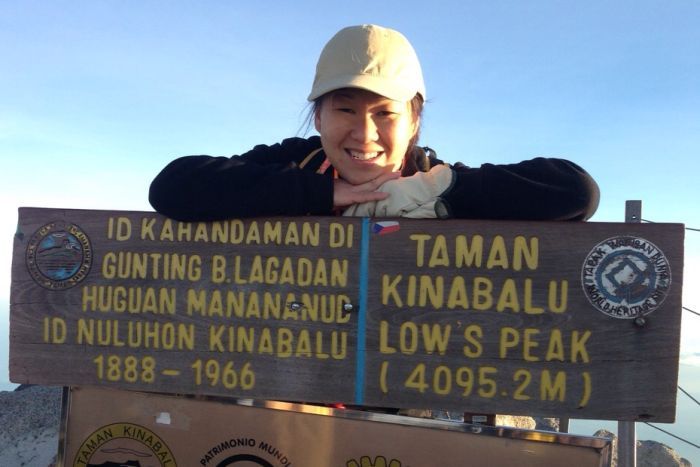
Vee Jin Dumlao, a Malaysian born Australian national highlighted her experience on Facebook, and praised the mountain guides.
Image via abc.net.au
The mountain guides put their lives at risk by carving out new trails for the climbers to descent down safely
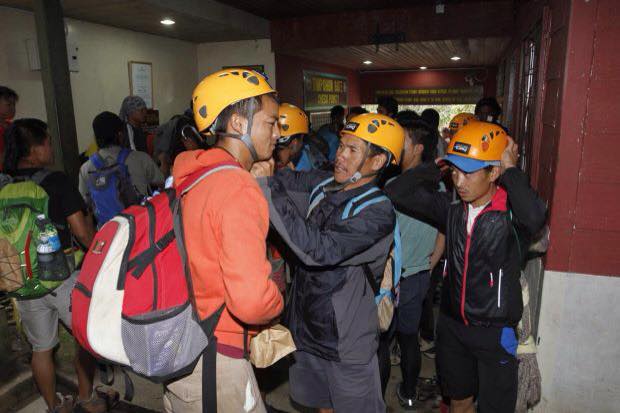
Image via The Star Online
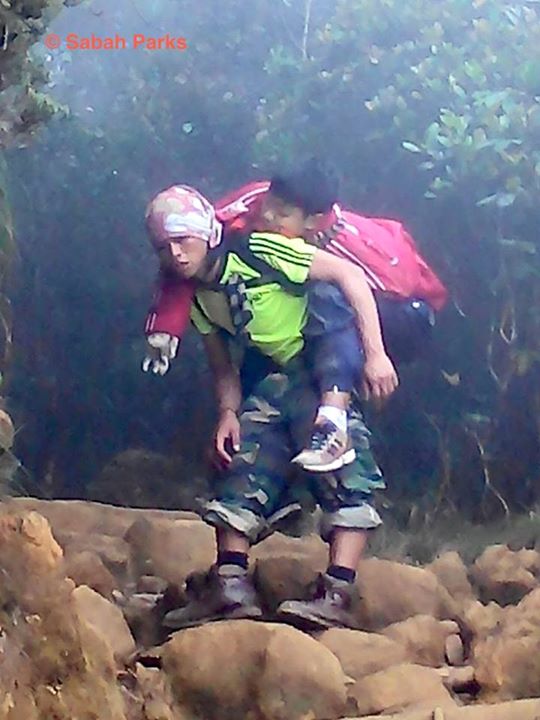
Image via themalaymailonline
Following their accounts, the Search and Rescue team were criticised for their "lack of responsiveness". Datuk Masidi Manjun, Sabah's Minister of Tourism, Culture, and Environment quickly defended the operations, stating that this isn't the time to point fingers.
Captain Nik Ahmad Huzlan Nik Hussain, a former MAS chief pilot also defended the search operations, explaining major points of contention in detail:
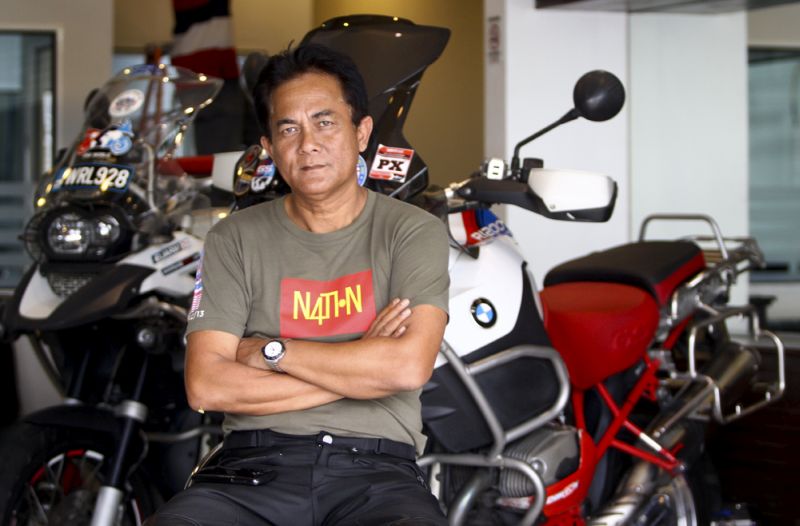
Image via TheMalaysianInsider
Read the entire excerpt [here](https://www.facebook.com/xr.rider.9/posts/10153368414241585).
Why didn't the helicopter rescue the climbers when the fog cleared up?
Captain Nik explained that the helicopter used had its limitations given the altitude of the mountain. At that height, the pilot will also suffer mild hypoxia, which would affect his ability to fly safely.
"The video doing rounds of a helicopter dropping supplies away from the victims on the slopes of Mt. Kinabalu is fodder for bashing by many uninformed netizens. I may be mistaken but the helicopter looks like a Bell 206. This helicopter is rated to fly at 13,000ft maximum altitude. Its an old single engined helicopter meant for flying doctor services and normally operates below 4,000ft. This means that it has very little power at the altitude it is flying at."
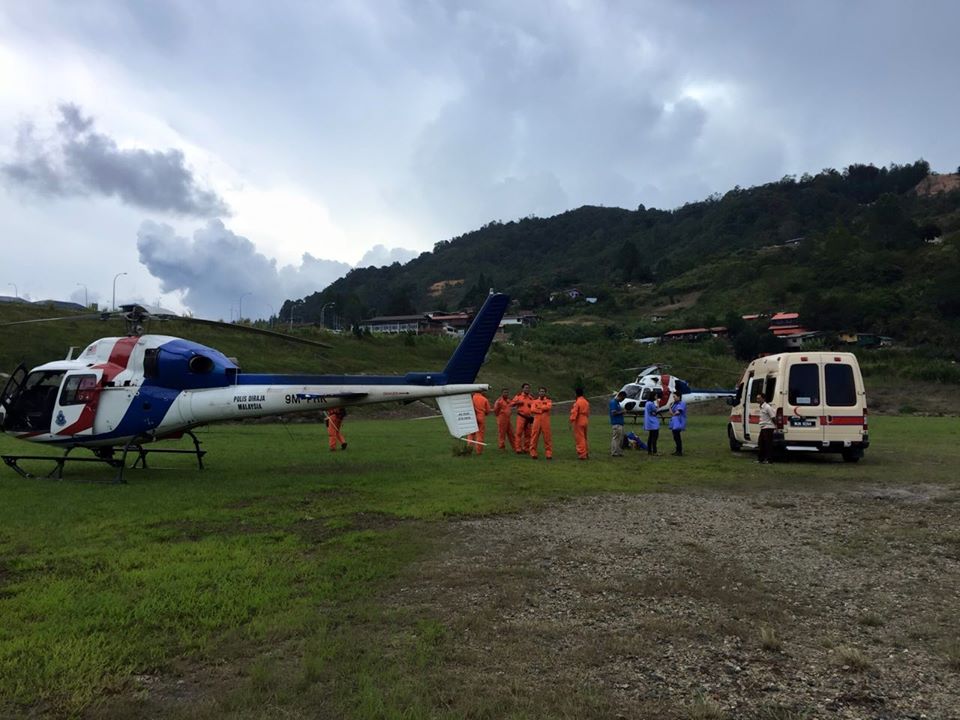
Image via Derma Organ via Facebook
"**Furthermore, the Pilot will begin to suffer mild hypoxia the longer he stays above 10,000ft which will affect his ability to control the helicopter well. The winds at the altitude is vicious as it is swirling around the mountain creating updrafts and downdrafts. There is no way the helicopter could have approached the victims closer without risking impact as it has very little power to counter the turbulence.** So the pilot had to do what he did. I think the Pilot is also an unsung hero for attempting to fly that mission. Unfortunately he got brickbats for his efforts."
This was supported by Sabah Fire and Rescue Department's Director Nordin Pauzi who stated that the strong winds may cause the helicopter to swerve and hit the mountain face
Why were the rescuers the last to respond? The mountain guides made it up there first
The former pilot stated that this was the correct procedure. The mountain guides knew their terrain better compared to the rescuers. Furthermore, the rescue team needed time to acclimatise their body to avoid altitude sickness, which might hamper their effectiveness as a team.
"The manner the rescue was carried out may seem 'chaotic' to the google researchers, but as the facts becomes clear, it became obvious that the correct thing was done under the circumstances. The Guides know the mountain well. The well trodden paths were mostly gone and the official rescuers won't have a clue as to how to carve alternate paths to get up the mountain. More importantly, the victims were mostly above 10,000ft possibly 12,000ft."

"**The rescuers needs time to acclimatise their body in order to function effectively up there. The effects of AMS (Altitude Mountain Sickness) – headache, nausea, shortness of breath, can render even the strongest person weak. They will be ineffective and be more of a hindrance up there.** Appropriately the guides (who are used to the high altitude environment) do the hard work higher up while the rescuers continue the work below 8,000ft."
"**Unlike floods, or ferry disasters, high altitude rescue work has another element that does not subside with time, which is the thin air environment.** The victims are secured, and the means of getting them down (which they did) are there. As for the dead bodies, there's no point risking lives to do expeditious recovery. In time the bodies will be recovered (which was the case)."
Nordin Pauzi also took time to respond to photos of personnel idling around. "Those photos of us resting do not tell the whole story. We all had to take turns to rest and everyone had a role to play."

Image via AFP: Mohd Rasfan via abc.net.au
Julia Chan who was at the scene, saw that the search and rescue personnel carried out their responsibilities albeit being a bit disorganised
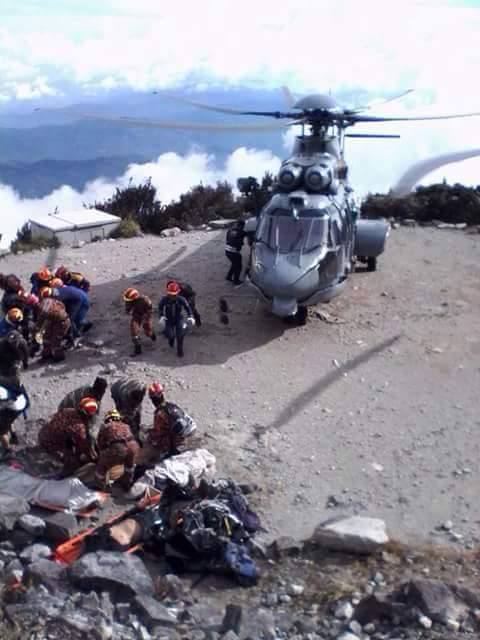
Image via Julia Chan via Facebook
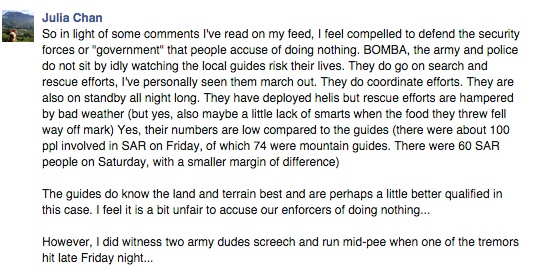
Image via Julia Chan via Facebook
Captain Nik was critical of the way communications were being handled. "Where we fail is here; like all urgent issues in Malaysia, timely accurate effective communications, Public as well as Media Relations failed BIG TIME."
"Recreational Adventurers must remember they chose the path of risk when embarking on such a journey. Its different from "normal" calamities such as widespread flooding and the like. They cannot complain that they had to endure hardship awaiting an airlift when there are alternate ways of getting to safety. They got down safely eventually."
" Yes there was hardship and anxiety. Some chose to wait. Many had assistance and there will be some amount of chaos. The people below do not have the full picture. Where we fail is here; like all urgent issues in Malaysia, timely accurate effective communications and, PR as well as Media Relations failed BIG TIME."
On-scene Medical Commander at the site, known as Maxy Waxy on Facebook, also gave his thoughts about SAR operations. He explained that they were waiting orders from their superiors as they were working together with other groups.
Nicolson Jacob, an emergency responder noted that everyone on-scene were playing their part and called on Malaysians to not resort to negative comments. "Let's not condemn one another, rather focus on building up and encouraging each other to be better."

Image via Nicolson Jacob via Facebook
Nordin Pauzi acknowledged the guides and his team. "Being recognised as a hero is not a priority. The priority is to save lives and everyone played a part in bringing the climbers and the bodies down the mountain. Everyone did their jobs. The mountain guides did theirs and we did ours," he said.
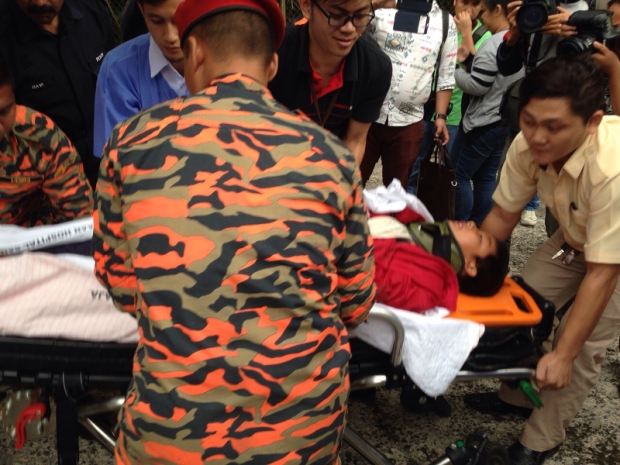
Image via themalaymailonline
