


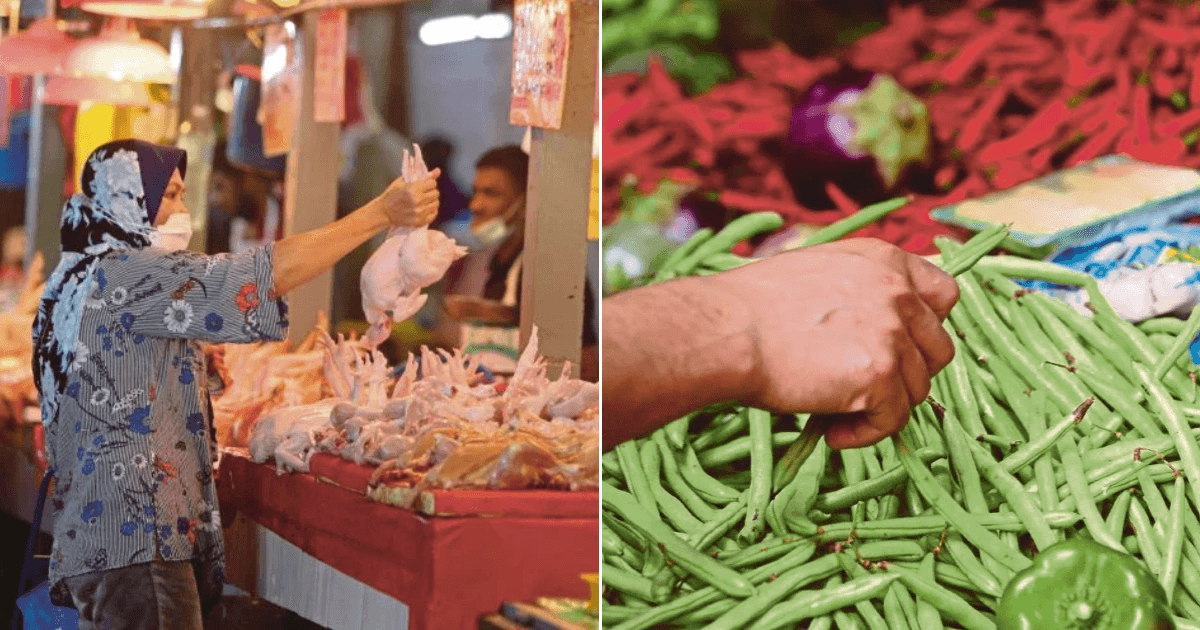
 Cover image via
Follow us on Instagram, TikTok, and WhatsApp for the latest stories and breaking news.
Tensions in the Middle East are sending ripples all the way to our local pasar
With the conflict impacting global oil prices and supply chains, there are fears that food prices could spike.
Thankfully, there are ways to keep your grocery bill from spiralling. Whether you're a student on a budget or a parent trying to feed a family of four, utilising these strategies will help you navigate the financial waves.
1. Track grocery items with the PriceCatcher app
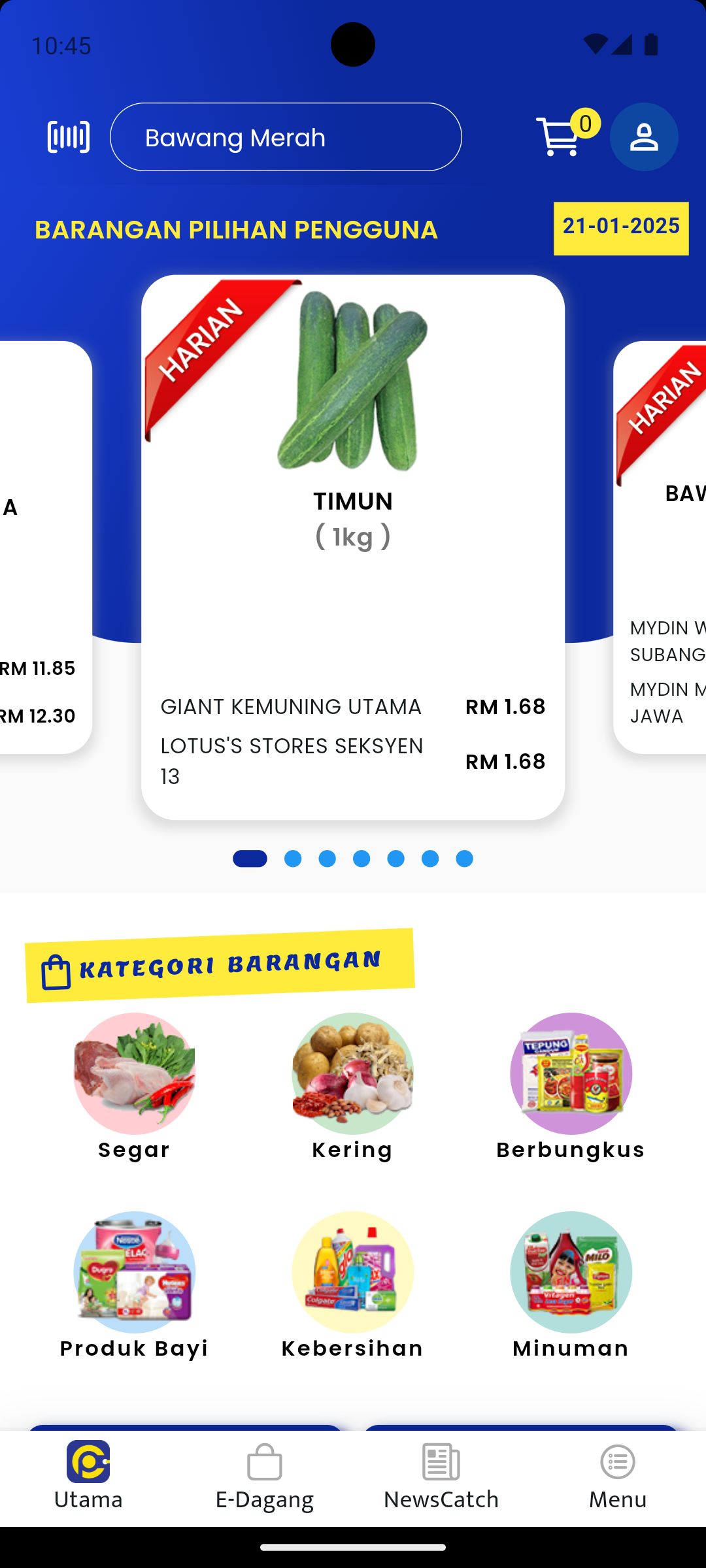
Before you drive all the way to the mall only to find out eggs are cheaper at the mini-mart next door, download the PriceCatcher app.
Updated by the Domestic Trade and Cost of Living Ministry (KPDN), this app tracks the daily prices of over 480 items at more than 1,000 locations nationwide.
You can actually create a "Grocery List" in the app, and it will tell you which store near you has the lowest total price for everything you need.
You can download the app here.
2. Hunt For 'Jualan Rahmah MADANI' sales

For 2026, the government has ramped up the frequency of Jualan Rahmah events.
You can find staples like rice, cooking oil, and frozen chicken sold at 10% to 30% below market price.
You can search for Jualan Rahmah events here.
3. Maximise your 'SARA' 2026 credits
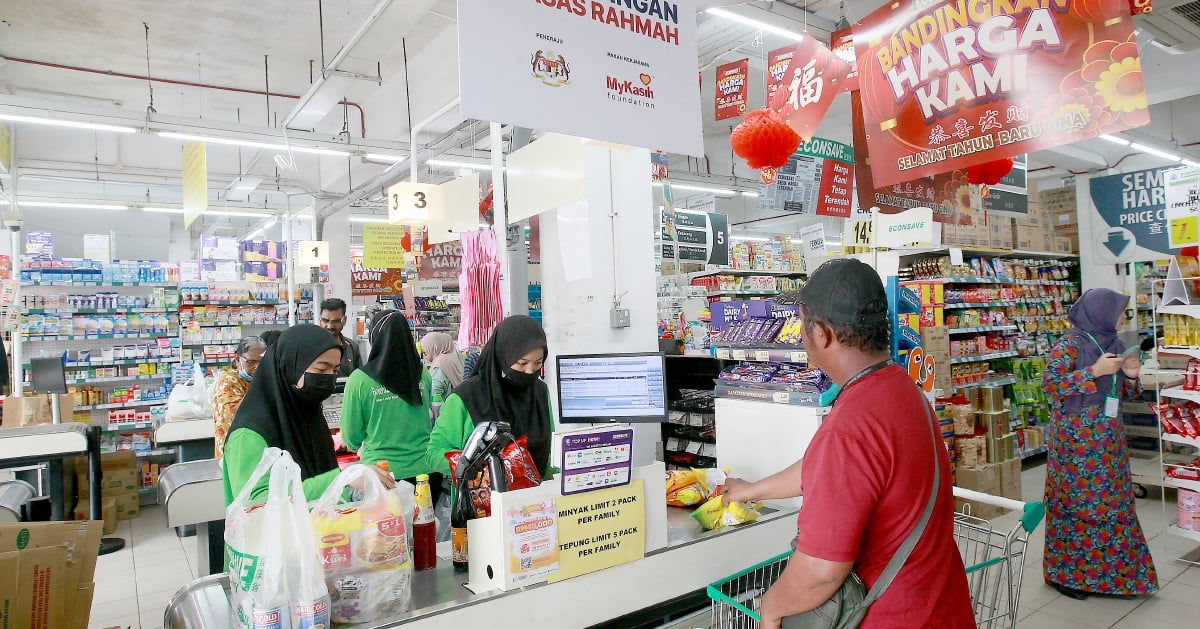
If you are a recipient of the Sumbangan Tunai Rahmah (STR), don't forget about your Sumbangan Asas Rahmah (SARA) credits.
In 2026, these credits are loaded directly onto your MyKad. You can use them at over 10,000 partner stores like 99 Speedmart, Lotus's, and Giant.
It covers 15 categories of essentials, so make sure you use this credit for your must-haves before dipping into your cash savings.
4. Shop local to save money

Because of the conflict's impact on shipping and the ringgit, imported goods are going to be the first to get expensive.
Swapping imported vegetables for local heroes like sawi, kangkung, or bayam is a strategic way to save money.
Buying from local pasar tani not only supports our farmers but often cuts out the middleman's markup found in high-end supermarkets.
5. Report price hikes immediately

Notice a shop suddenly charging RM15 for a small bag of local rice? That might be profiteering.
KPDN has a dedicated WhatsApp line (019-848 8000) where you can report unreasonable price increases. Here are several alternatives to report price hikes as well.
Simply snap a photo of the price tag, send the location, and let the authorities handle the rest. It's a collective effort to keep prices fair for everyone!
6. The zero-waste kitchen strategy
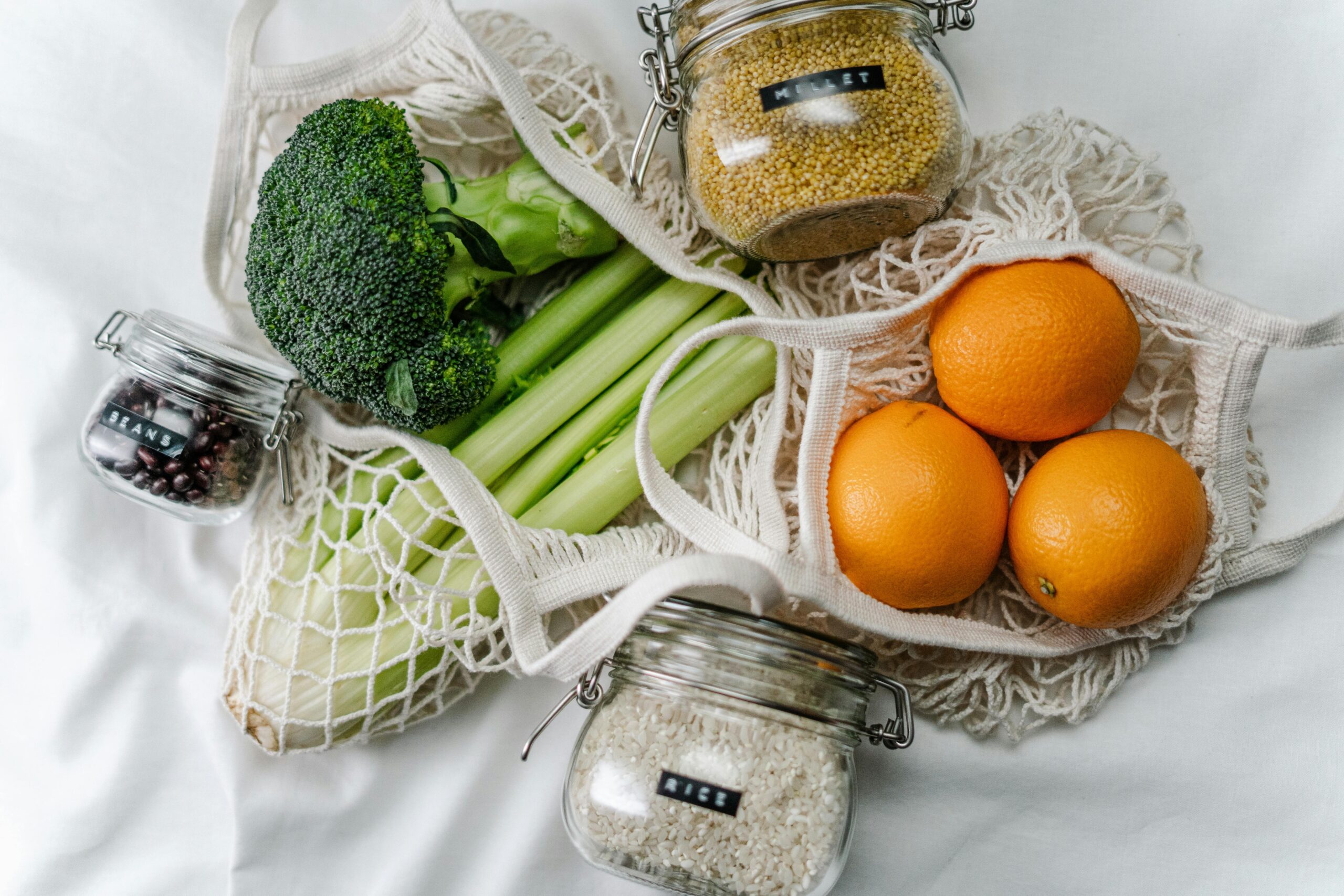
Only buy what you know you will eat to avoid wasting food and your money.
Freeze everything. Vegetables about to go soft? Chop and freeze them for your next fried rice. This habit alone can save a household up to RM200 a month.
7. Start your own kebun komuniti (community garden)

Why buy your sawi when you can grow it with your neighbours? 2026 is the year of the kebun komuniti (community garden).
Under the Dasar Kebun Komuniti Bandar (DKKB), it's now easier than ever to turn idle land into food hubs.
You can apply for the Sejahtera Komuniti MADANI (Sejati MADANI) grant. In early 2026, some communities received up to RM100,000 for fish ponds or high-tech vegetable plots.
Also, keep an eye out for local council events, like the MADANI Rakyat Programme. They often give out free seeds and saplings to help you get started.
