


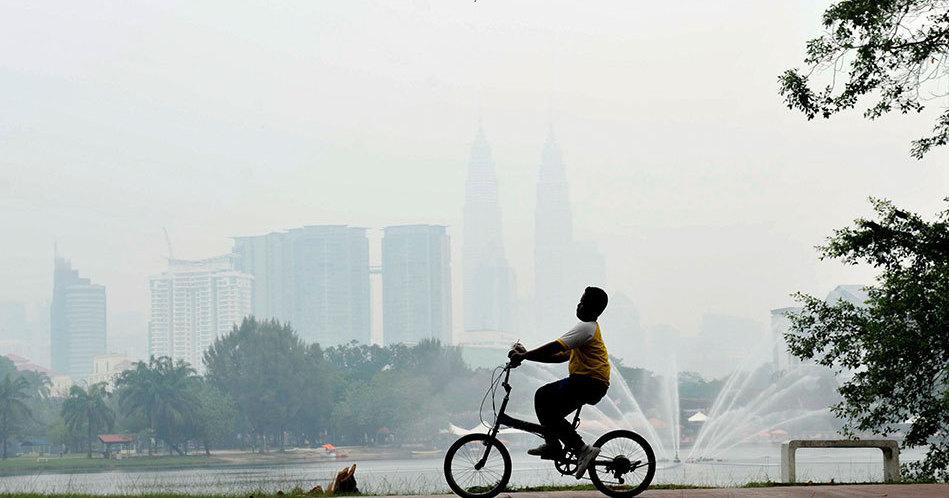
 Cover image via Astro Awani
It's that time of the year again, when we can start gearing up to say goodbye to fresh air

Image via Giphy
So, what can we expect with forest fires raging in Indonesia this year?
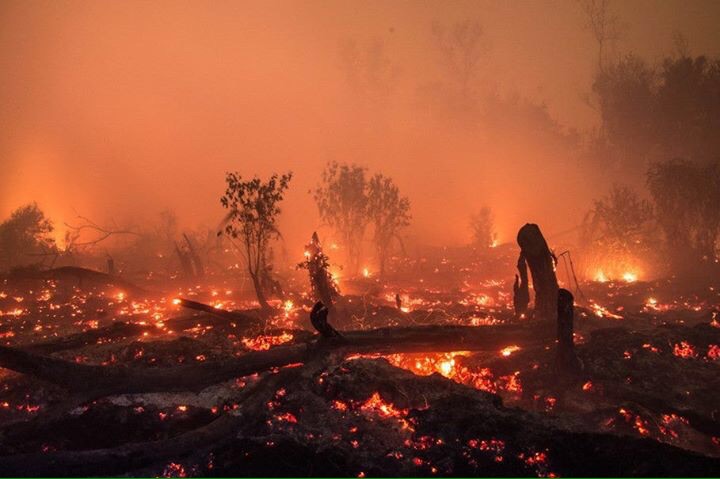
Image via World Moms Network
All major media channels have started reporting on the changing wind patterns that will bring in transboundary haze to Malaysia from the forest fires in Indonesia in the coming weeks
"Now is the transitional period of the changing winds. It may hit in a week or less, depending on the constant flow of the wind bringing the haze towards Malaysia."
"There is a possibility of it hitting this week if no action is taken by Indonesia to put out the fires and if the winds continue to blow towards Sarawak," said Natural Resources and Environment Minister Datuk Seri Wan Junaidi Tuanku Jaafar yesterday, 15 August.
He explained that the number of hotspots in Sumatra have increased while Kalimantan has recorded lesser hotspots as of now. Hotspots are areas with high temperature levels.
"Obviously, the (number of) hotspots changes by the day, (and) while on Sunday there was none in the Peninsula, now there are several hotspots in Peninsula today (yesterday) and none in Sarawak. Yesterday (Sunday), there were six in Sarawak," added Wan Junaidi, as reported by The Borneo Post today, 16 August.
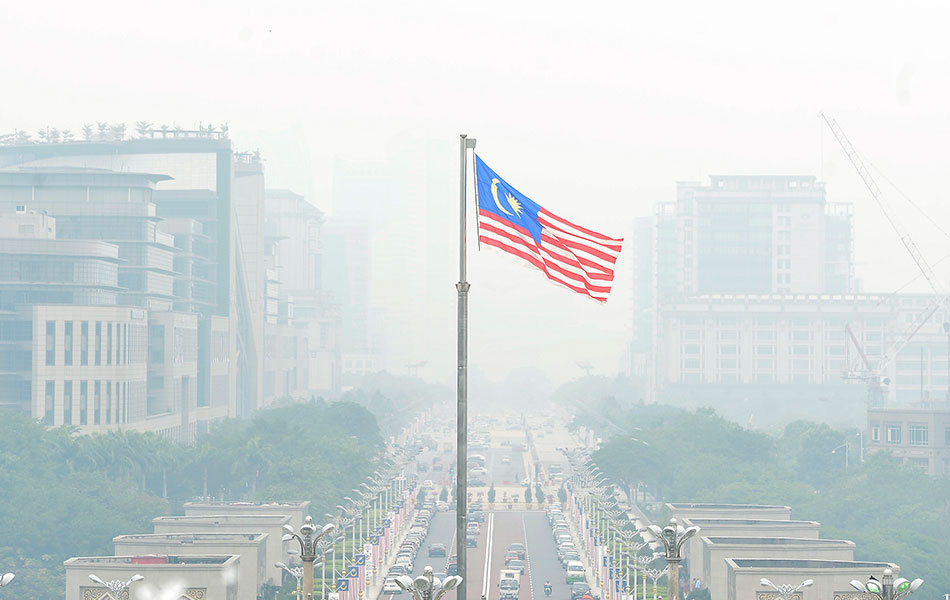
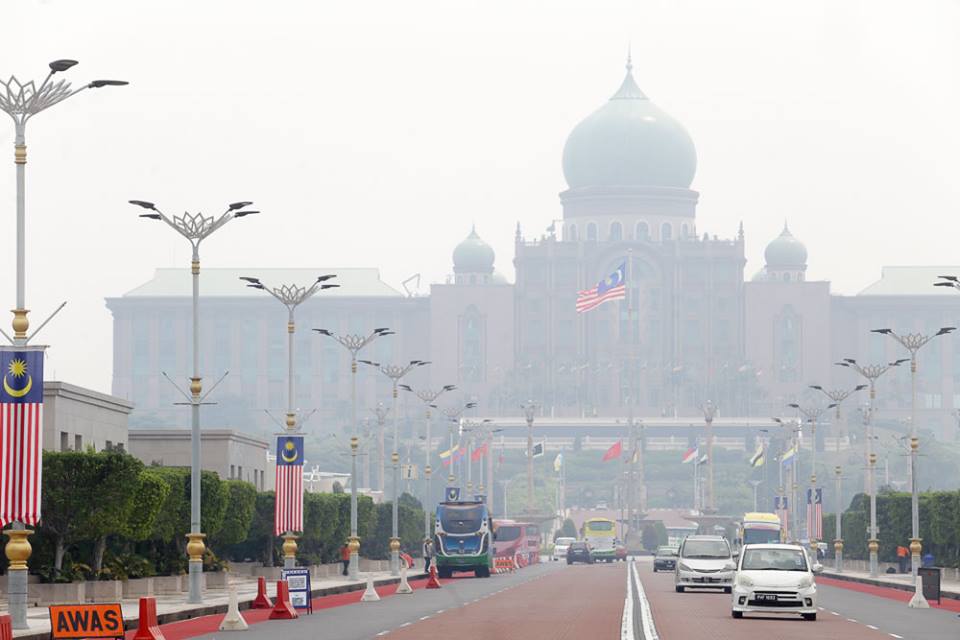
2015 Southeast Asian haze – An image of the offices in Putrajaya covered in haze on 2 September 2015
Image via Astro Awani
"Under these unpredictable circumstances, it is clear that fires are burning in Indonesia but substantially less than what we saw in 2015," said Natural Resources and Environment Minister Wan Junaidi Tuanku Jaafar.


With concerns raging high, a spokesperson from the Malaysian Meteorological Department assured that they are currently monitoring the situation very closely
As of last Friday, 12 August, the Meteorological Monitoring Center in Singapore detected seven hotspots in Singapore, 40 in Kalimantan and three in Sabah.
"There have been sporadic fires over the past week but we are concerned about the recent spike in forest fires since smoke from these fires may soon be blown to the peninsular.
"We have been spared till now as the wind is blowing in a north-easterly direction. That could change if a low pressure depression moves further out," explained the spokesperson.
**The Asean Specialised Meteorological Centre recorded that the number of fires in Indonesia went from a dozen on 29 June to 32 on 8 August, and by 10 August, there were 87 more. The hotspots then reduced to 50 by 11 August and 36 on Saturday.**
The spokesperson also mentioned that the dry weather in central and western Indonesia is expected to last for the next few months, increasing hotspot activity in certain areas
The Malay Mail Online reported that the region is currently experiencing the southwest monsoon season and hot and dry weather is prevalent in Sumatra and Kalimantan.
"The prevailing dry weather in western and central Indonesia is expected to persist over the next few months and could see increased hotspot activity in vulnerable areas.
**"Also this is usually the time farmers begin their slash-and-burn forest clearing. The sudden spike in the number of fires seems to indicate this has already begun," said the spokesperson, as reported The Malay Mail Online yesterday, 15 August.**

The past few decades have seen peat fires and haze becoming a yearly occurrence for Southeast Asian countries
Image via Clever Trev
What is Indonesia going to do about this annual problem?
**Indonesian authorities stressed that this year's haze will not be as bad as last year as the nation has taken all the necessary measures to battle forest fires and haze this year.**
"For example, the establishment of 700 villagers who are ready to combat forest fires on the ground. We also strengthened our coordination from the central government to local governors plus the involvement of private sectors," said Senior Adviser on Energy to Minister of Environment and Forestry of Indonesia Arief Yuwono on 11 August.
Arief pointed out that those responsible for forest fires would be penalised severely according to the laws and regulation.
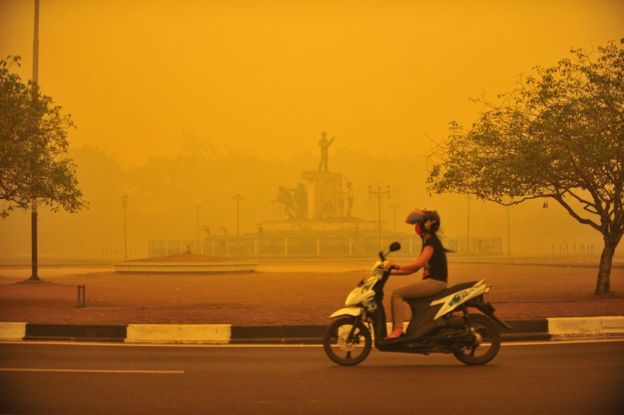
The PSI level in Palangkaraya in Kalimantan spiked up to 2,900 to the point that the air tuned a murky yellow last year
Image via EPA
In the midst of all this, ASEAN has pledged to make the region haze-free by the year 2020
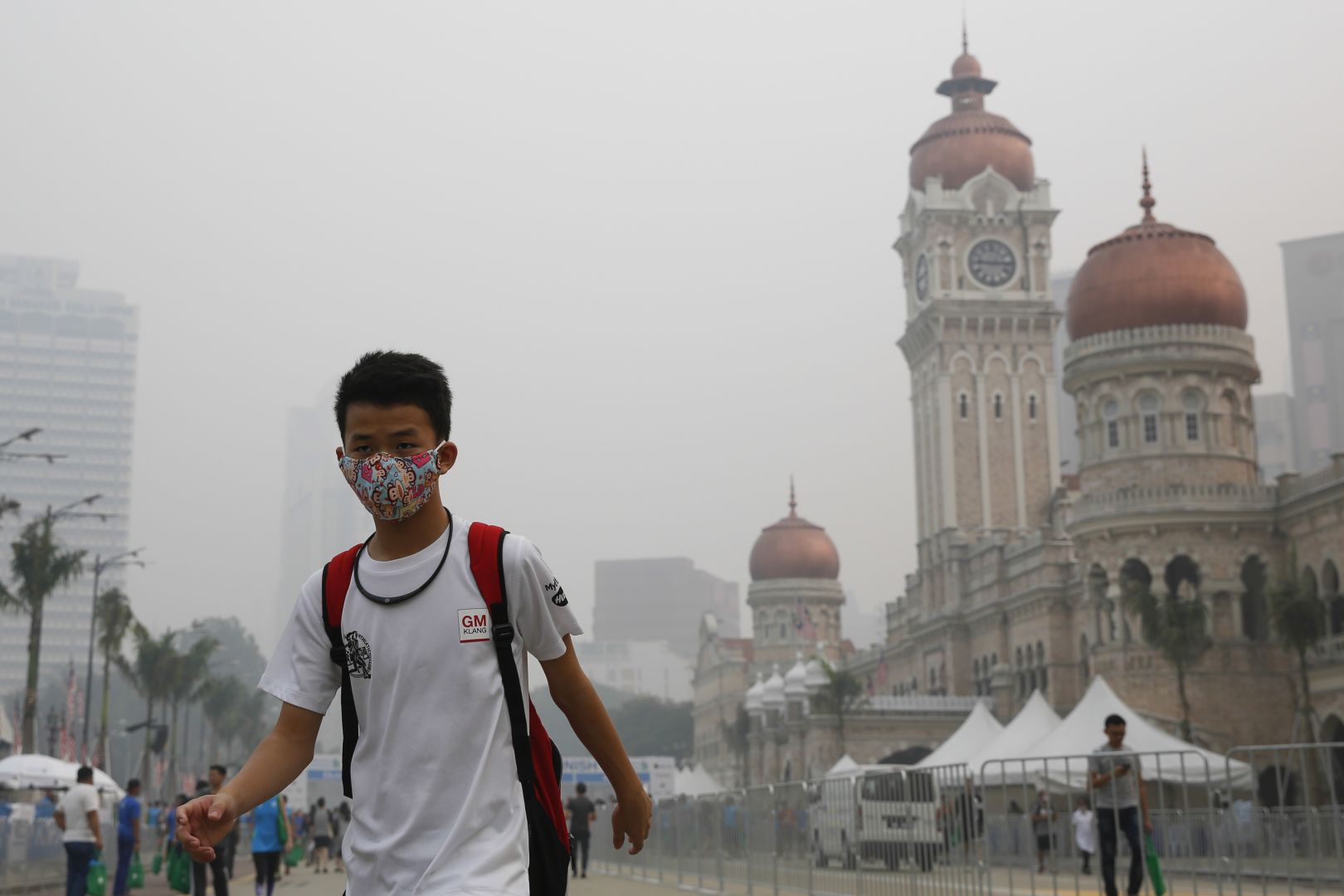
The dangerous haze levels in Malaysia last year forced Malaysian schools to close for days
Image via AP
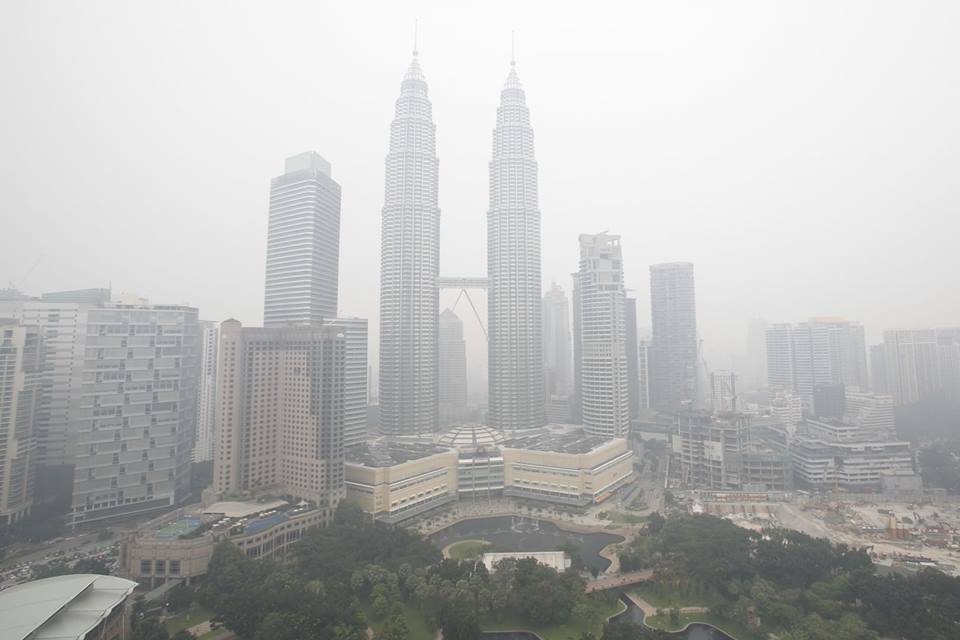
Meanwhile in Malaysia, it looks like the haze has caught on in certain parts of the city. Hello old friend…


Do you think we will be haze-free by the year 2020? Let us know what you think in the comment section below!
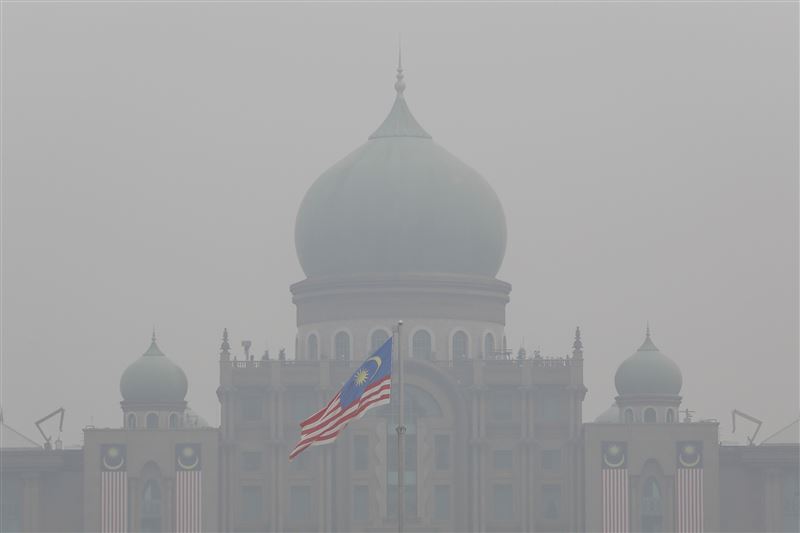
Image via MOLE
