


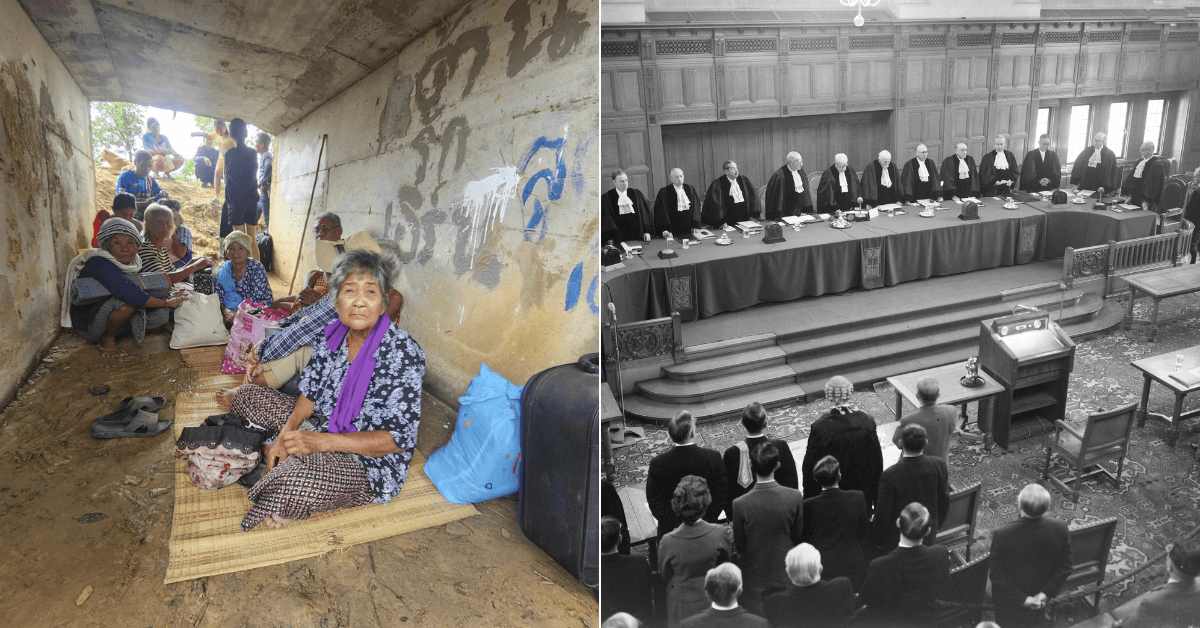
 Cover image via
Follow us on Instagram, TikTok, and WhatsApp for the latest stories and breaking news.
As clashes escalate across the Thai-Cambodian border, it is necessary to understand the historical background of the conflict
On 24 July, a day after a Thai soldier lost a leg to a landmine on the border (as reported by CNN), the militaries of Thailand and Cambodia began trading artillery fire. Thailand launched airstrikes on Cambodian military positions, while Cambodia reportedly targeted civilian sites, including the Phanom Dong Rak hospital and a convenience store.
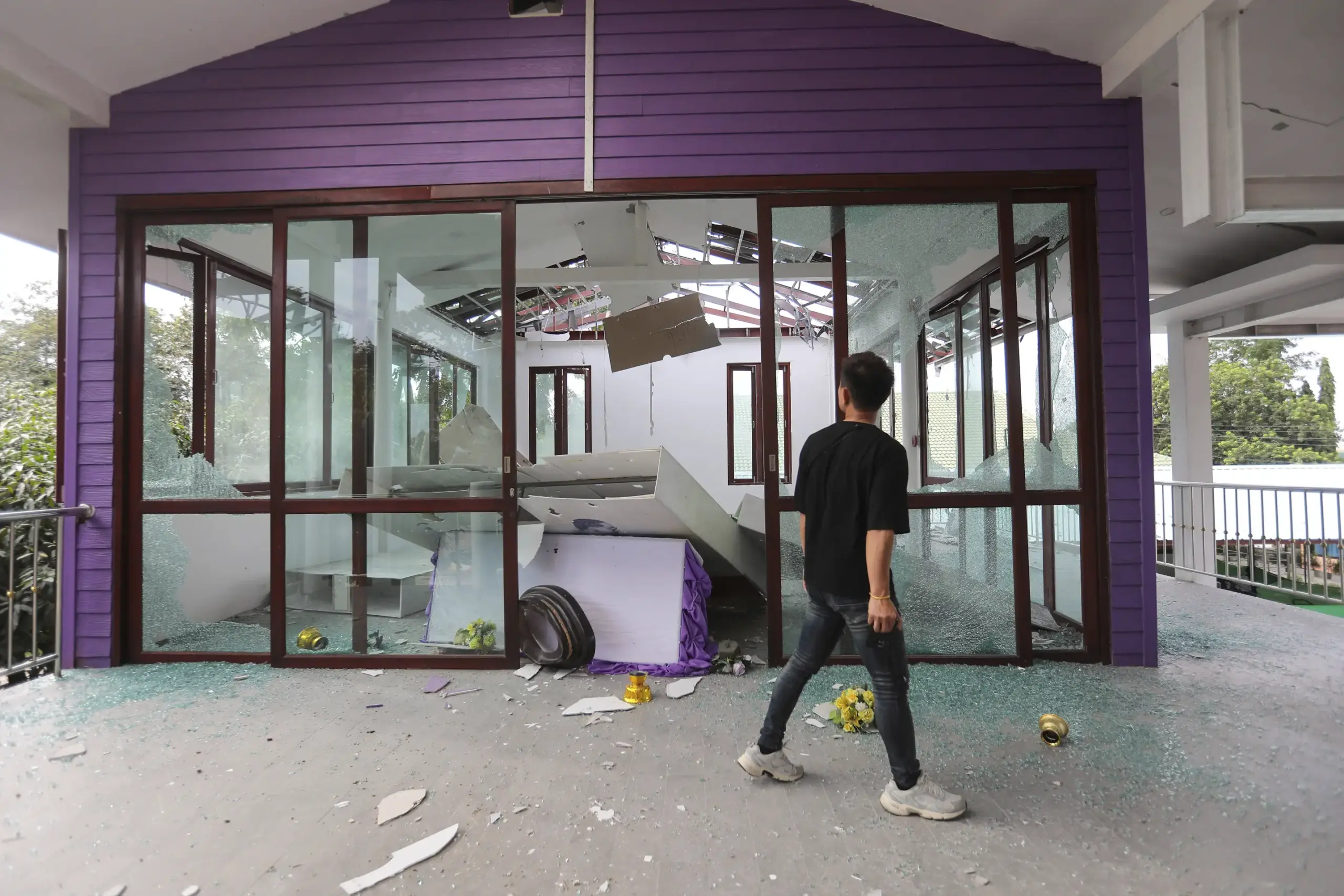
Phanom Dong Rak Hospital after being damaged by artillery fire.
Image via Sunny Chittawi/AP NewsThe following post contains distressing imagery.
[Breaking] The Second Army Region reports that BM-21 rockets fired from the Cambodian side have hit a PTT gas station in Ban Phue, Kantharalak District, Sisaket Province, leaving many students and civilians injured.#Thailand #Cambodia #ไทยกัมพูชา #ชายแดนไทยกัมพูชา pic.twitter.com/3moE6Jwqjm
— Thai Enquirer (@ThaiEnquirer) July 24, 2025
Both sides have downgraded their diplomatic relations, and accused each other of attacking first — and in the process, 100,000 Thai civilians along the border have been evacuated, and 12 people, mostly Thai civilians, have been confirmed killed. There is currently no word on Cambodian casualties.
Yet, the ongoing border crisis did not begin in a vacuum. There is an extensive historical background to the conflict, with many disputes across decades that have since simmered into the now rapidly-escalating clashes.
🚨BREAKING:
— Defence Index (@Defence_Index) July 24, 2025
Cambodia just fired RM-70 rockets at Thailand — 20+ dead, mostly civilians. 🇰🇭⚔️🇹🇭
Border villages hit without warning.
This war just escalated — fast. pic.twitter.com/R8tmocstBd
Hostilities between the two nations have spanned centuries, but the origin for the current conflict can be traced to the French colonial era
In 1863, as European nations scrambled to claim countries in Asia and Africa for colonial exploitation — Malaysia among them — Cambodia was claimed as a protectorate by France, while Thailand, then named Siam, retained independence.
However, Siam was forced to make concessions to ensure its independence. One of these concessions was the 1907 Franco-Siamese treaty, which saw Thai territories ceded to France and administered as part of Cambodia.
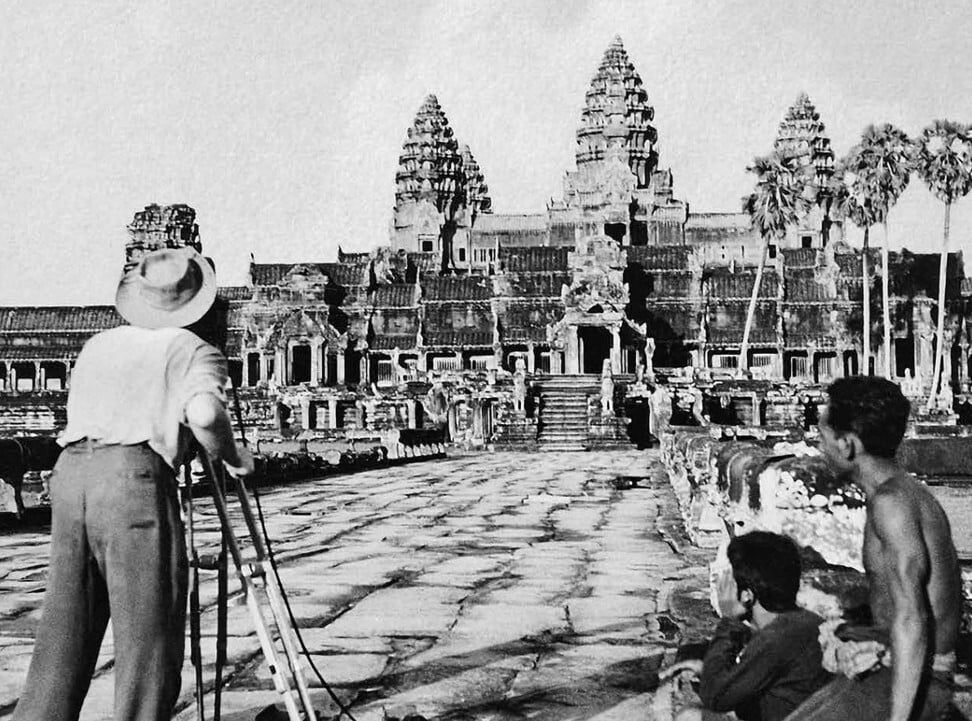
A French surveyor at the Angkor Wat temple in Cambodia during French colonial rule.
Image via South China Morning PostNotably, the Preah Vihear province was among the territories ceded. This province was home to Preah Vihear temple, an ancient site built by the Khmer (Cambodian) Empire in the early 9th century about a thousand years ago.
Originally Hindu, the temple had since become a site of great importance to the Cambodian people. And while Cambodia continues to use the French-drawn map as a reference for where nations begin and end along the 800km-length of the Thai-Cambodian border, Thailand contests the validity of these borders.
Thailand, however, argues that the border should follow the watershed line, which would place the territory within Thai borders.
Although Thailand eventually accepted that the Preah Vihear temple itself belongs to Cambodia, it maintains that parts of the surrounding province are Thai territory
When World War II came to Southeast Asia, Thailand allied with the Japanese Empire — and in the process, it retook the territories that were ceded to France decades ago, including Preah Vihear.
And when Japan surrendered at the end of the war, Thailand was forced to return lands to France.
Ultimately, upon regaining independence in 1953, Cambodia took its territorial claims to the International Court of Justice (ICJ), which later ruled that the temple was located on Cambodian soil.
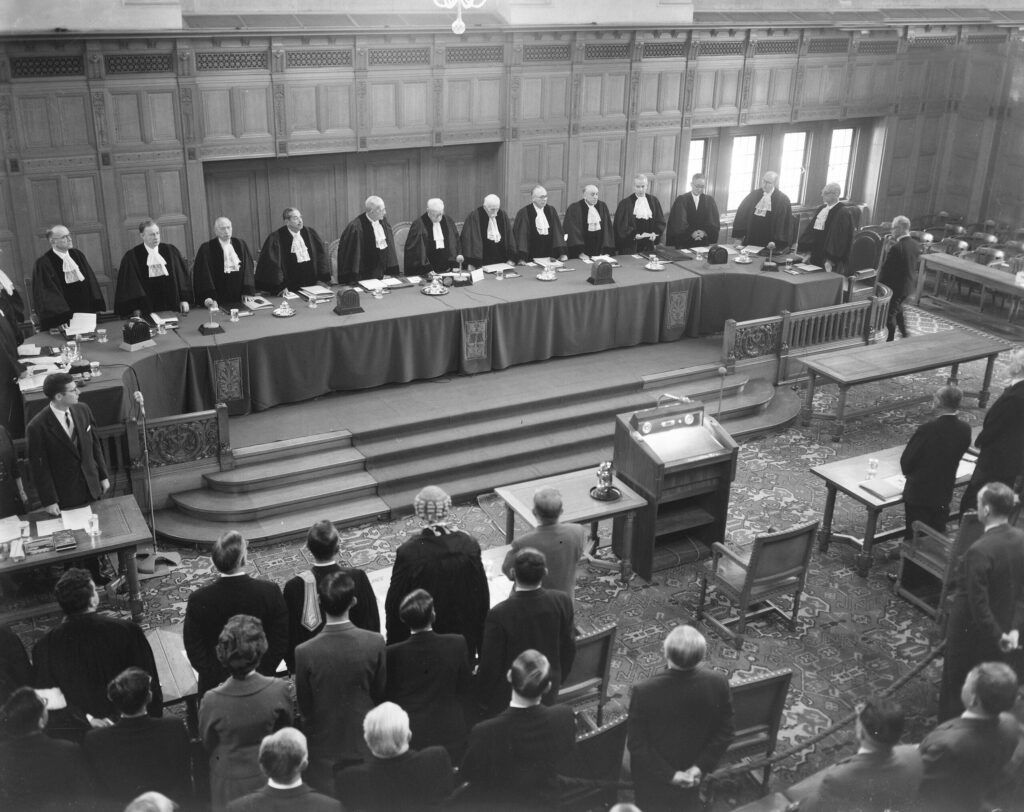
The Preah Vihear case being heard before the International Court of Justice, 1961.
Image via WikimediaIn 2008, Cambodia successfully applied for the Preah Vihear temple to be listed as a UNESCO World Heritage Site, a move Thailand objected to
Thailand claimed the listing would be interpreted as an affirmation of Cambodian sovereignty over what it considered to be disputed borders.
Thailand and Cambodia subsequently sent troops to the border region — and a brief skirmish erupted between Thai and Cambodian soldiers, with two Thai soldiers and one Cambodian soldier wounded.
More firefights and violent incidents intermittently occurred over the next several years — including the use of cluster bombs by Thailand in 2011.
Despite the deaths of multiple civilians and combatants alike over the years, the level of violence did not escalate into all-out war, as de-escalations usually occurred quickly after outbursts of violence.
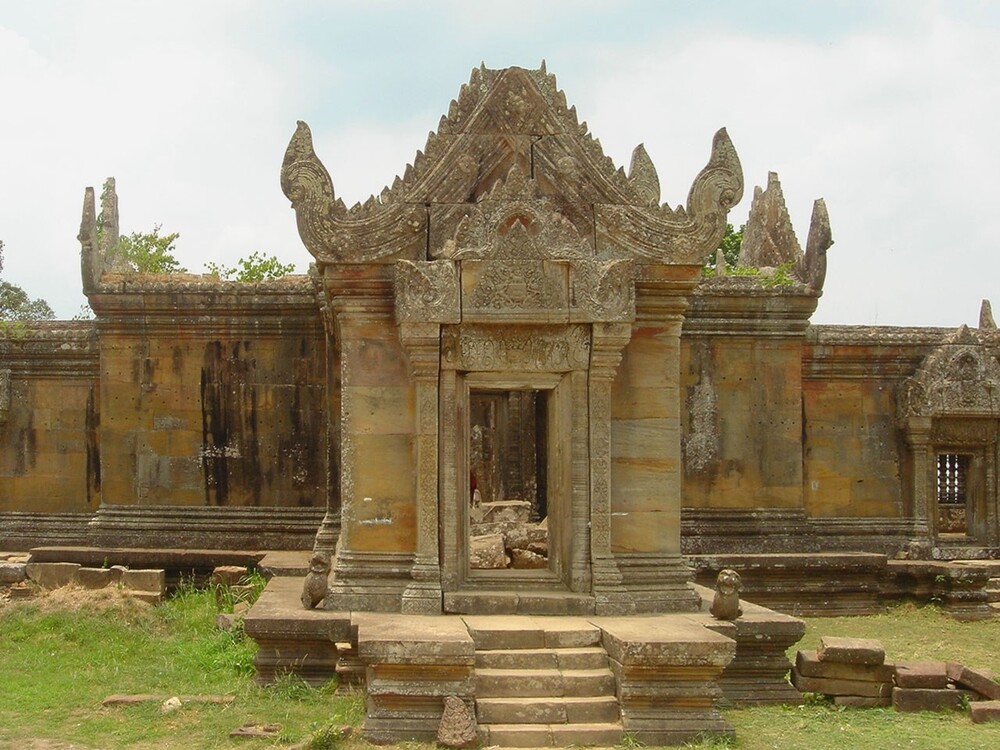
Preah Vihear temple.
Image via UNESCO World Heritage SiteIn 2011, Cambodia requested that the ICJ interpret the 1962 judgement, citing that Thailand was not respecting Cambodia's territorial sovereignty over the Preah Vihear region. And so, once again, the case was brought before the ICJ.
On 11 November 2013, the ICJ ruled in favour of Cambodia, obliging Thailand to withdraw police and military forces from the contested regions. And prior to the verdict, hundreds of Thai civilians had already left the region in anticipation that the ruling would be unfavorable to them.
Now, a series of violent incidents have pushed the unresolved conflict, once again, to the brink
It didn't begin in July, but rather on 28 May 2025 — when a skirmish at the border region, claimed by both countries as their own, left one Cambodian soldier dead, according to AP News.
Thailand's then-prime minister Paetongtarn Shinawatra subsequently held talks with Cambodia's Senate President Hun Sen in an effort to defuse tensions — but she came under fire when the latter posted a recording of the phone call on his Facebook page, in which she appeared deferential to the Cambodian president and criticised her own army.
On 1 July, she was suspended from office, with her deputy Phumtham Wechayachai becoming acting prime minister.

Thailand's then-prime minister, Paetongtarn Shinawatra.
Image via AP News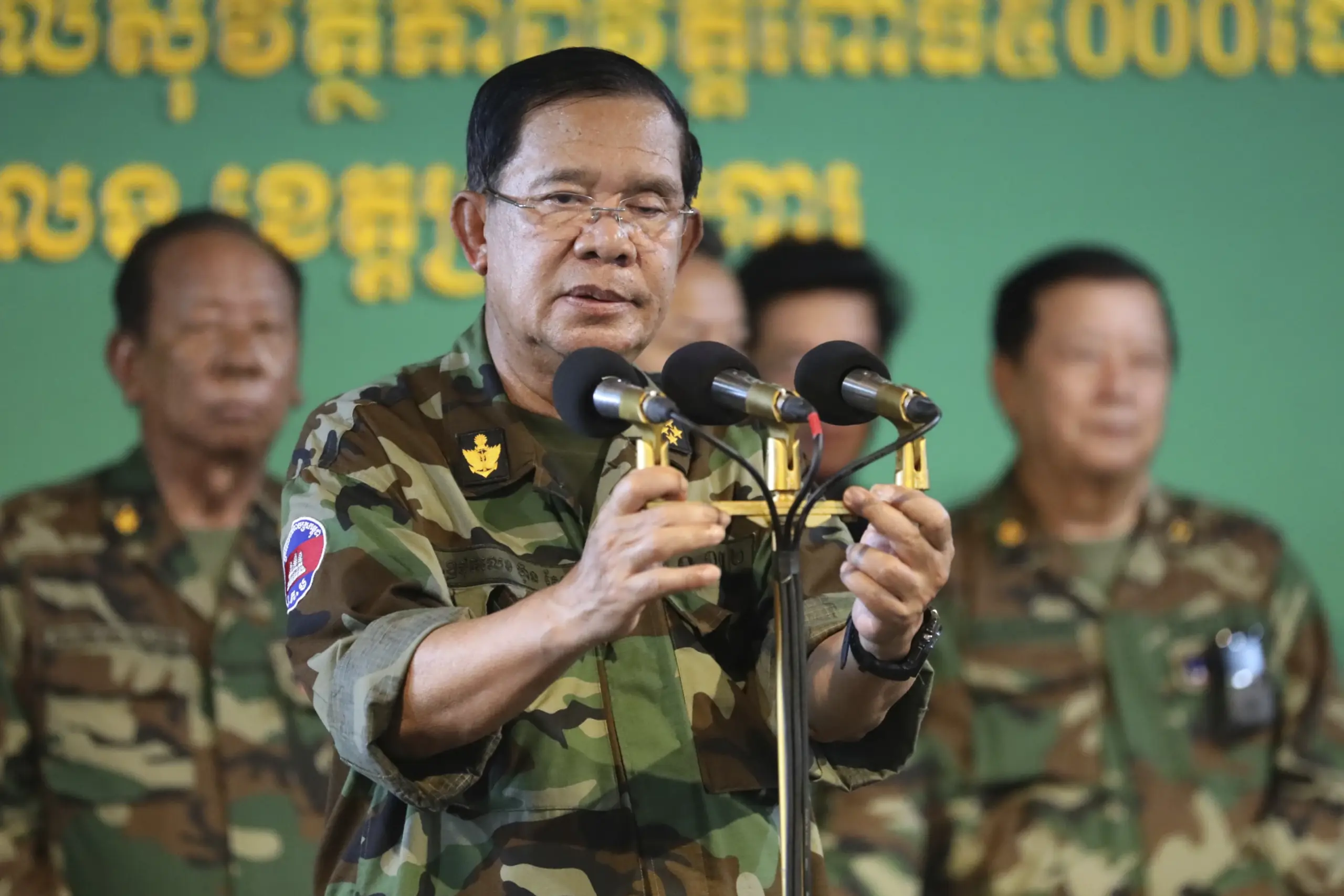
Cambodian Senate President Hun Sen.
Image via AP NewsAll the while, tensions continued to simmer — until 23 July, when, as per the Bangkok Post, a land mine explosion at Ubon Ratchathani province injured five Thai soldiers, with one losing a leg.
The same day, Thailand downgraded its diplomatic status with Cambodia, recalling its ambassador from Phnom Penh, and expelling Cambodia's own ambassador from Bangkok.
The following day, military conflict began anew
Amid military strikes, longstanding nationalist rhetoric has also been fomented by both sides.
A new border dispute case was submitted to the ICJ by Cambodia last month, but the results of this remain to be seen. Thailand maintains that it does not recognise the jurisdiction of the ICJ.
It now remains to be seen how the conflict will develop — whether it will de-escalate so that talks may take place, or escalate into a wider conflict.
