


 Cover image via Tennoji Zoo
Follow us on Instagram, TikTok, and WhatsApp for the latest stories and breaking news.
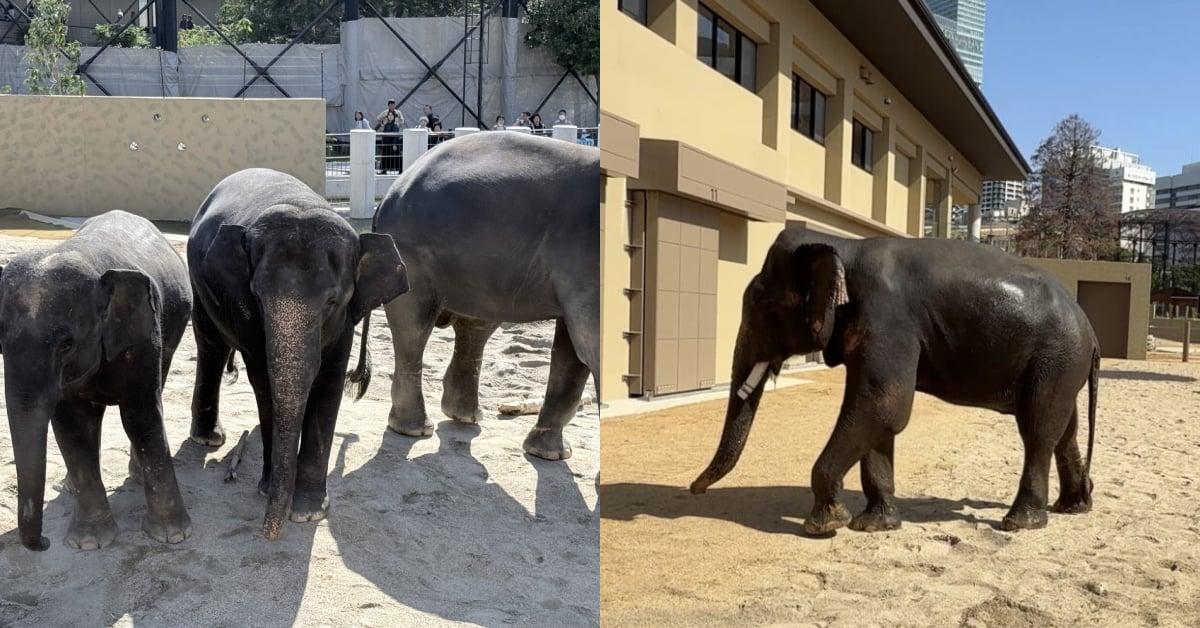
A staff member at Tennoji Zoo has shared an update on the condition of three Malaysian elephants — Kelat, Dara, and Amoi — amid ongoing public concern over their wellbeing
In a blog post published on 3 May, the caretaker expressed gratitude for the elephants' safe arrival from Malaysia on 11 March and reintroduced them to the public following their official debut in April.
"Looking back, this past month has flown by in the blink of an eye… After waiting for so long, the elephants finally made it safely to Japan. It's hard to put into words how grateful we are," the staff member wrote.
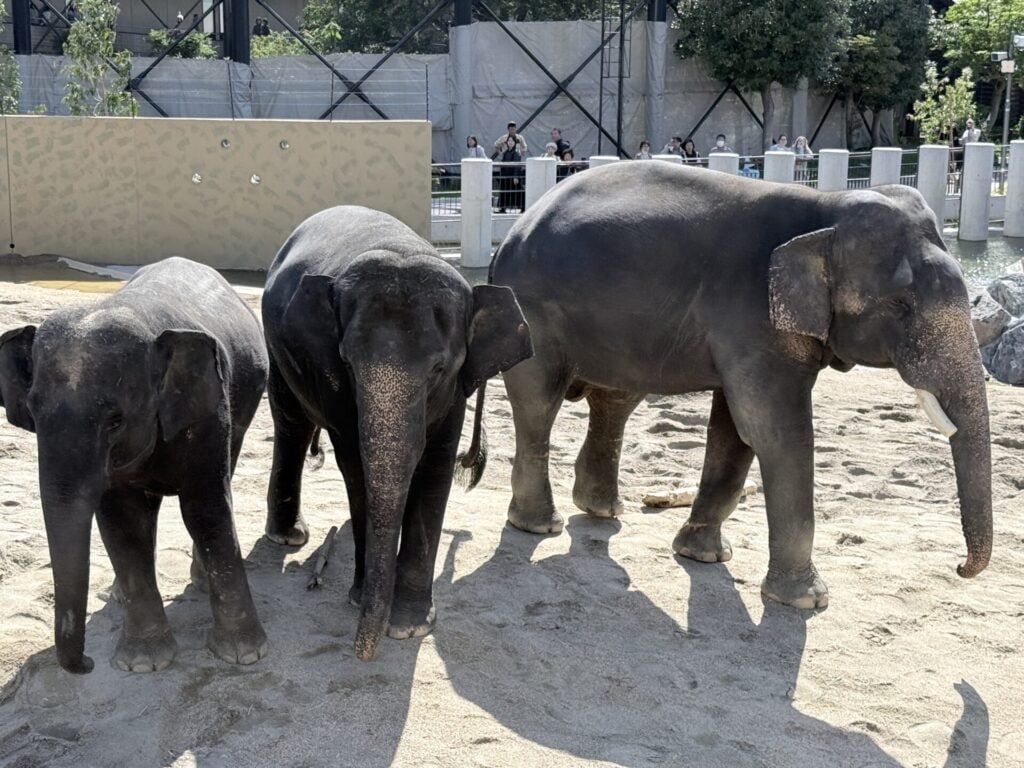
According to the update, each elephant has displayed distinct personality traits as they settle into their new environment
Kelat, a 20-year-old male and the largest of the three, has been described as both assertive and affectionate. While male Asian elephants typically live alone, staff said Kelat has shown a strong preference for staying close to the two females. As a result, all three are currently housed together in the zoo's 'Elephant Home', although living arrangements may change depending on their behaviour.
Dara, a 14-year-old female, has been characterised as careful and dependable. Keepers observed that she is highly attentive to her surroundings and often takes on a protective role toward Amoi, ensuring the younger elephant stays safe. Despite her calm nature, Dara has also shown a more affectionate and dependent side toward familiar Malaysian handlers, suggesting she is still adjusting to her new environment.
Amoi, the youngest, has been described as playful and adventurous, though the nine-year-old female is still adapting as part of an ongoing integration process at the zoo.
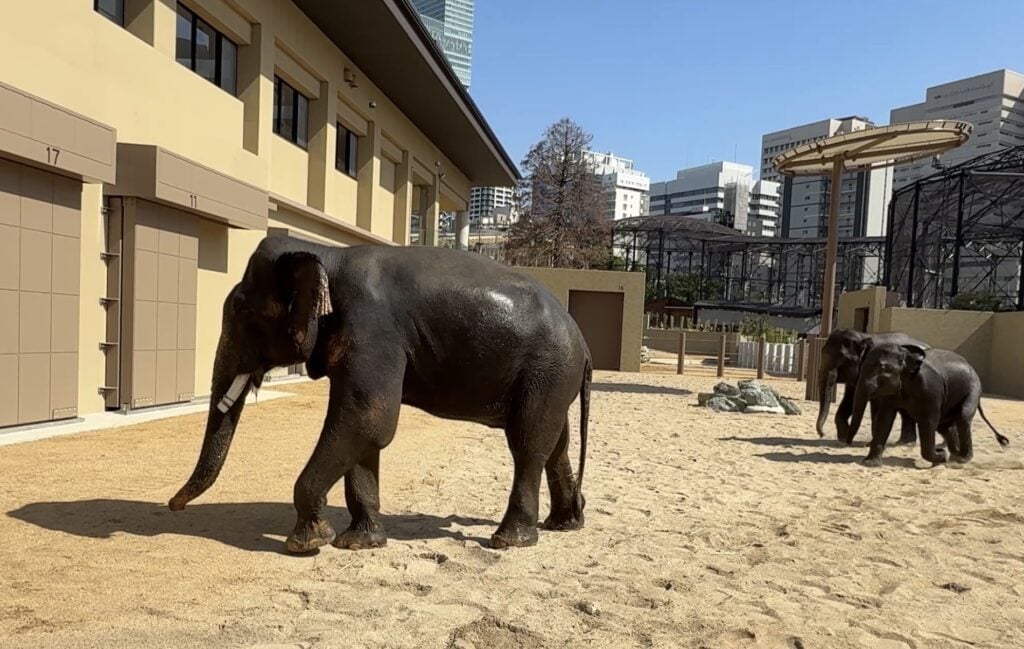
Kelat, the largest of the three with tusks.
Image via Tennoji Zoo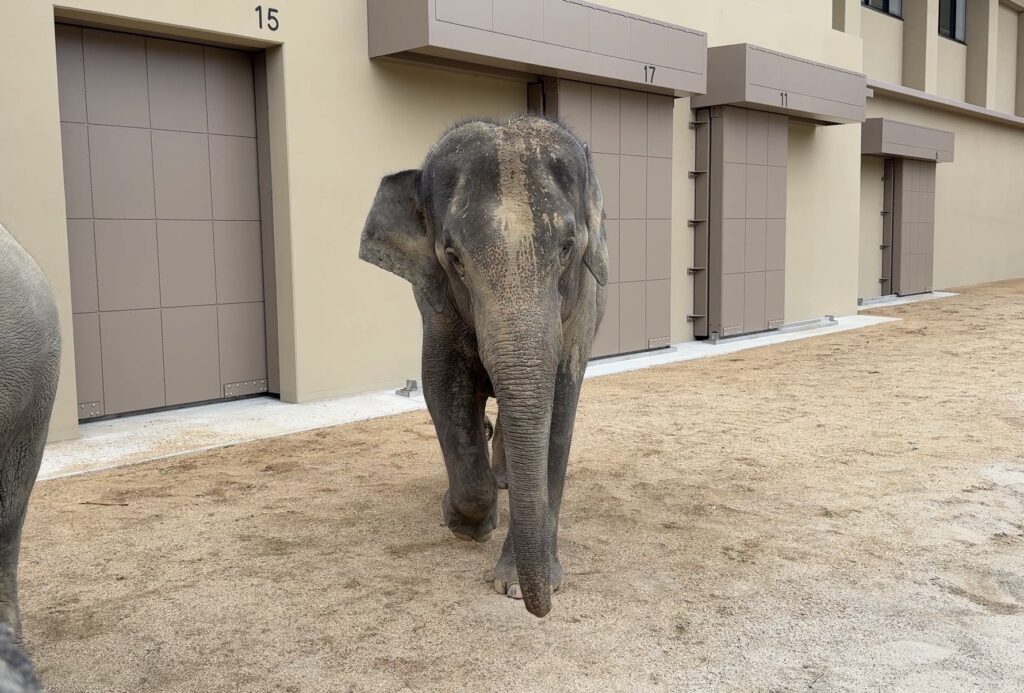
Dara, the medium-sized elephant with small tusks.
Image via Tennoji Zoo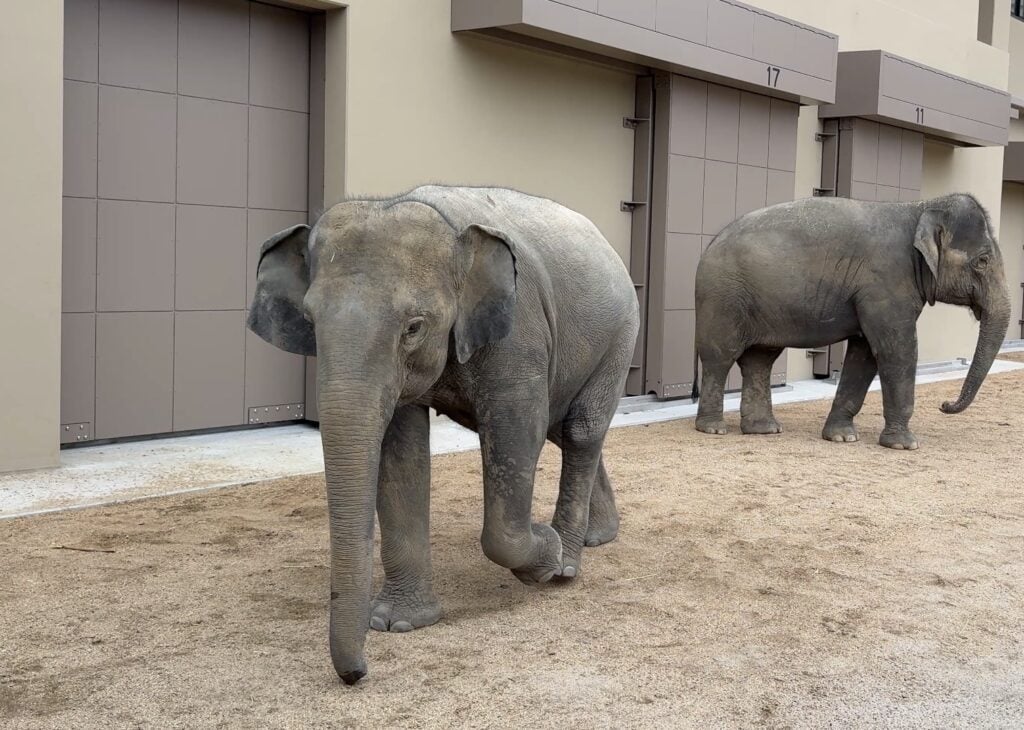
Amoi, the smallest of the three.
Image via Tennoji ZooThe update also highlighted a heartwarming moment when the three elephants were seen lying down and sleeping side by side on their first night together.
According to the staff, this behaviour is considered rare, as elephants typically sleep standing and only lie down when they feel safe and secure.
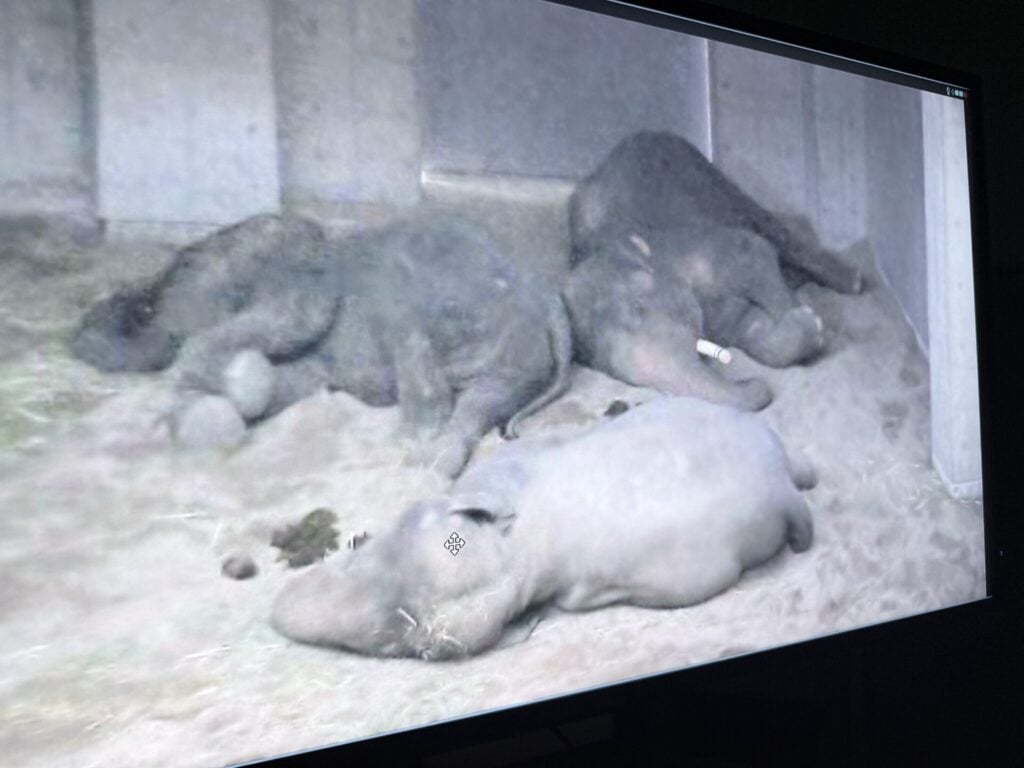
The zoo acknowledged that both the elephants and caretakers are still in an adjustment phase, adding that efforts are ongoing to ensure the animals' long-term welfare
"Every day — even every hour — has been full of surprises. There's still so much for us to learn, but we're beginning to see more moments where things go well," the staff member shared, adding that the team continues to learn from experienced Malaysian handlers while closely observing the elephants.
Separately, three Malaysian mahouts from the Kuala Gandah National Elephant Conservation Centre have dismissed claims circulating online that the elephants are under stress
According to the New Straits Times, the trio — Ali Gadong, Suhaimi Ibrahim, and Mohd Faizal Ahmad — have been stationed at Tennoji Zoo since 15 April to assist with the animals' care.
The centre's head, Che Ku Mohd Zamzuri Chik Wan Ab Rahman, said the mahouts are expected to remain in Japan for at least two months, with a possible extension depending on the zoo's needs.
He stressed that allegations of the elephants being distressed are baseless and do not reflect their actual condition, adding that interpretations based on videos or images can be misleading without full context of animal management practices.
He also addressed viral claims about "elephant tears", clarifying that it is a normal physiological function used to clear dust from their eyes, not a sign of emotional distress.
Che Ku Mohd Zamzuri further noted that the elephants were originally from the Kuala Gandah conservation centre before being placed at Zoo Taiping & Night Safari under a conservation programme, prior to their relocation to Japan.
He added that the centre will continue to monitor the elephants closely through daily technical reports submitted by the on-ground team.
