


 Cover image via
Follow us on Instagram, TikTok, and WhatsApp for the latest stories and breaking news.
The Department of Statistics Malaysia (DOSM) has revealed that Sabah had 1,040,200 non-citizen residents in 2025, marking a 0.32% decrease from the previous year
In a statement last week, the department said Sabah remains the state with the highest number of non-citizen residents recorded since 1991.
The highest percentage of non-citizen residents in the state was recorded in 1991 at 56.5%, or 453,470 people.
That number later grew to 1.16 million in 2018, about 1.5 times higher than 27 years earlier.
Sandakan recorded the highest number of non-citizen residents in 2025 with 195,100 people, followed by Tawau with 142,9000 and Kota Kinabalu with 125,4000.
Below is a breakdown of areas with the highest percentage of non-citizen residents:
– Kinabatangan: 72.9%
– Kalabakan: 69.3%
– Kunak: 53.4%
With a population of 3,759,000, non-citizen residents make up about 27.67% of Sabah's population.
In other words, more than one in four people in the state do not hold a MyKad.
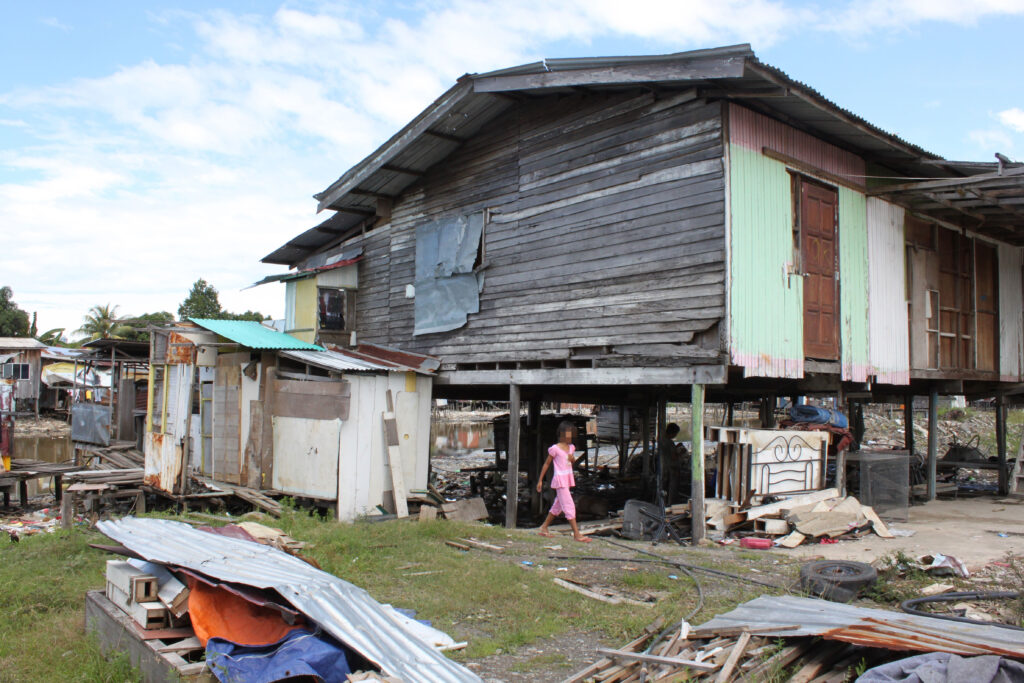
Image for illustration purposes only.
Image via DAPThe state has faced complex challenges related to migration and statelessness
Citing state government sources, the Eastern Sabah Security Command (ESSCOM) reported that 136,055 Filipino refugees in Sabah were identified in December 2020 through their possession of IMM13 documents, Federal Special Task Force Sabah/Labuan census certificates, and Burung-Burung certificates.
These documents are crucial for understanding the high number of non-citizen residents in the state.
According to Bernama, IMM13 and Burung-Burung certificates, among other documents, were issued to Filipino citizens with refugee status between the 1970s and 1990s.
In the 1970s, following political and religious conflicts in southern Philippines, many Muslim refugees fled to Sabah and were granted political refugee status, becoming known as IMM13 refugees, DAP noted in an article.
Additionally, due to proximity, 167,000 Indonesians were living in Sabah as of April 2022, Daily Express quoted an Indonesian official as saying.
This does not include stateless people in Sabah. A Bernama report in February 2024 estimated their number could be around 300,000, although a citizenship rights advocate cautioned that this might be an overestimate, as the state government lacks a system to process or identify this group.
All these factors contribute to the high number of non-citizen residents in Sabah, prompting activists to urge the state government to treat these individuals humanely, protect their livelihoods, and prevent the rise of anti-immigrant or xenophobic sentiments.
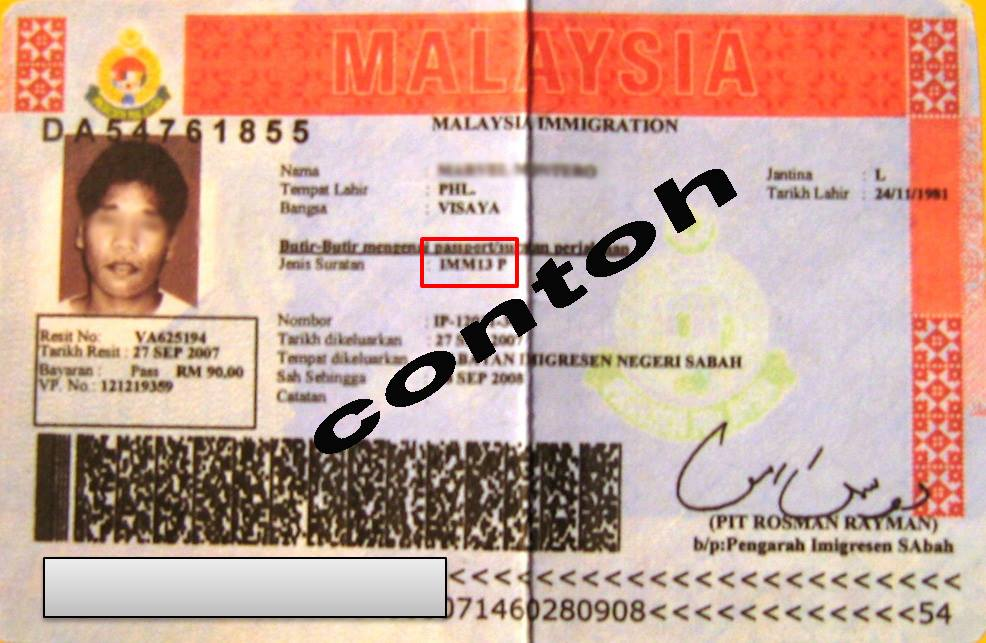
An example of an IMM17 certificate.
Image via Solidariti Belia SulukBajau Sayang Sabah (Facebook)