


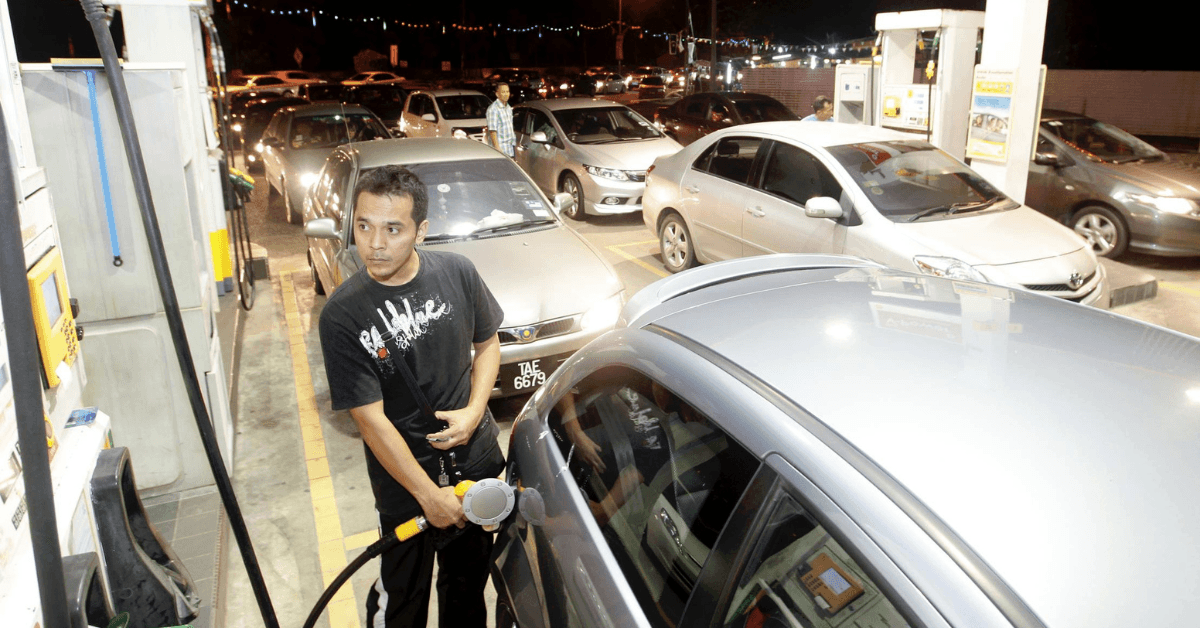
 Cover image via NSTP
Follow us on Instagram, TikTok, and WhatsApp for the latest stories and breaking news.
The 200-litre BUDI95 petrol subsidy may be sufficient for most Malaysians, but about 1.6 million drivers are expected to exceed the limit
Drawing on previous studies, Universiti Teknologi Malaysia (UTM) automotive expert Dr Mohd Azman Abas estimates that compact car owners should limit daily travel to between 80km and 100km to stay within the threshold.
For larger vehicles, such as SUVs and MPVs, the recommended daily distance drops to 60km–80km.
While some motorists will stay well below the limit, others might narrowly exceed it.
To help drivers manage this, Mohd Azman shared several key strategies to optimise fuel efficiency and maximise the monthly allowance.

Mohd Azman estimates that 200L of petrol allows users to travel between 60km and 100km per day, depending on the vehicle.
Image via Mohd Azman Abas ( Provided to SAYS)Practice eco-driving
Your driving style plays a major role in fuel consumption, Mohd Azman said.
Motorists, he said, should practise eco-driving techniques, such as maintaining steady speeds, avoiding sudden acceleration and braking gently.
"Anticipating traffic conditions and keeping a consistent speed can help the engine operate more efficiently, reducing fuel usage," the UTM Mechanical Engineering senior lecturer said.
Treat your vehicle right
A well-maintained vehicle consumes less fuel.
Regular vehicle maintenance, such as timely oil changes, clean air filters and properly functioning engine components, helps ensure optimal engine performance.
Motorists should also ensure tyre pressure is properly maintained, as underinflated tyres increase rolling resistance, which forces the engine to use more fuel.
Stick to factory mode
If you customise your vehicle, you may experience higher fuel consumption.
Mohd Azman said modifications that add weight or change the vehicle's aerodynamic characteristics, such as oversized wheels or heavy accessories, can increase fuel consumption.
"A vehicle operating as designed by the manufacturer typically delivers the best efficiency," he added.
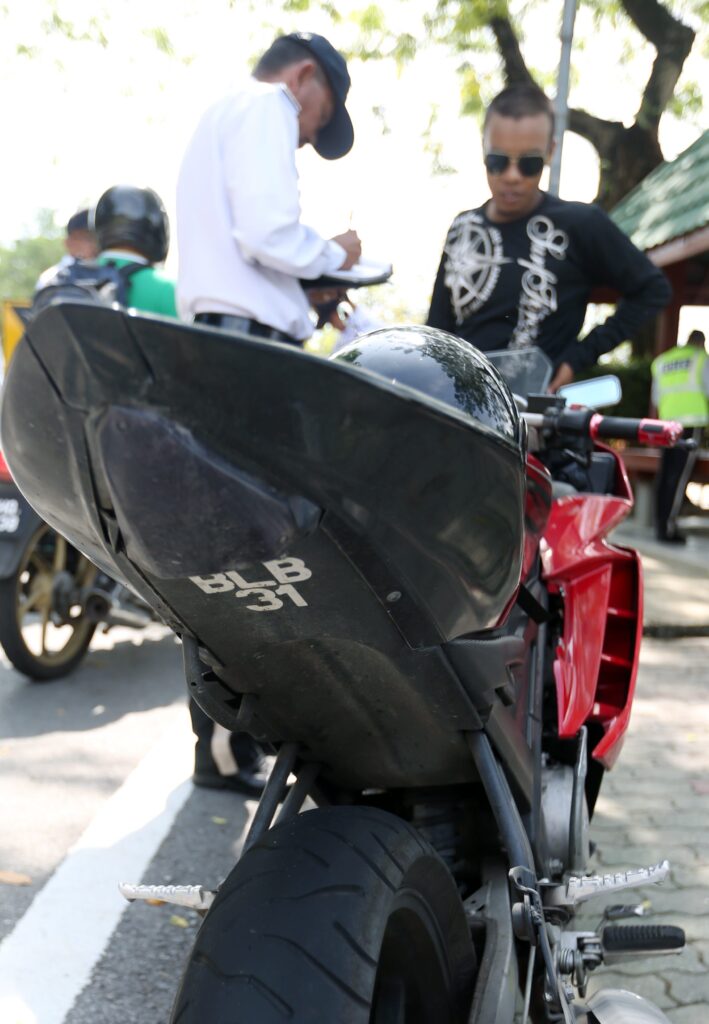
Modifications that add weight or change the vehicle's aerodynamic characteristics, such as oversized wheels or heavy accessories, can increase fuel consumption.
Image via NSTPSkip the rush hour
Traffic congestion is one of the biggest contributors to fuel wastage.
Mohd Azman said experimental observations found that a typical passenger car consumes approximately one litre of fuel per hour simply while idling.
"If possible, drivers should avoid travelling during peak hours and choose routes with smoother traffic flow.
"Even a small adjustment in departure time can significantly reduce fuel consumption," he added.
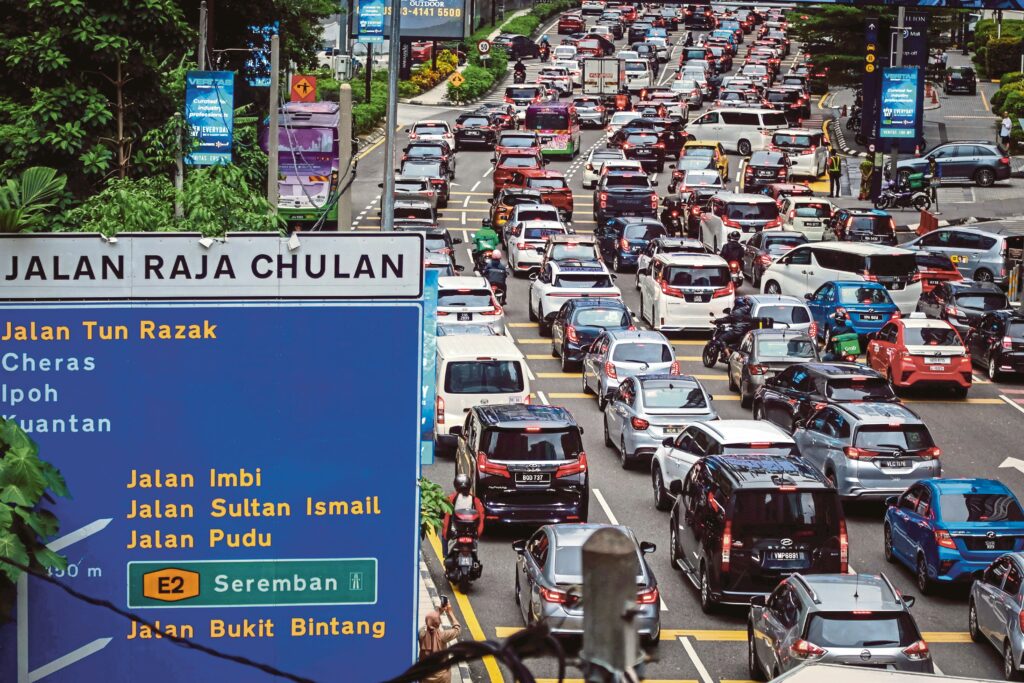
A typical passenger car consumes approximately one litre of fuel per hour simply while idling.
Image via NSTPPlan journeys strategically
Instead of making several short trips throughout the day, it is more efficient to combine errands into a single journey.
"For example, visiting the grocery store, pharmacy and bank in one trip rather than separate trips can save both fuel and time.
"Planning routes in advance can also help avoid unnecessary detours," he said.
