


 Cover image via
Follow us on Instagram, TikTok, and WhatsApp for the latest stories and breaking news.
All water from Selangor pipelines will reportedly be fully drinkable by 2028
According to Business Today, state executive councillor for agriculture and infrastructure Dato' Izham Hashim said that water from 27 pipelines at Selangor's 34 water treatment plants has met potability standards, meaning it is safe to consume.
He added that two pipelines met the benchmark this year, with four more set to meet the mark between 2026 and 2028.
This means all Selangor water is set to be potable by 2028.
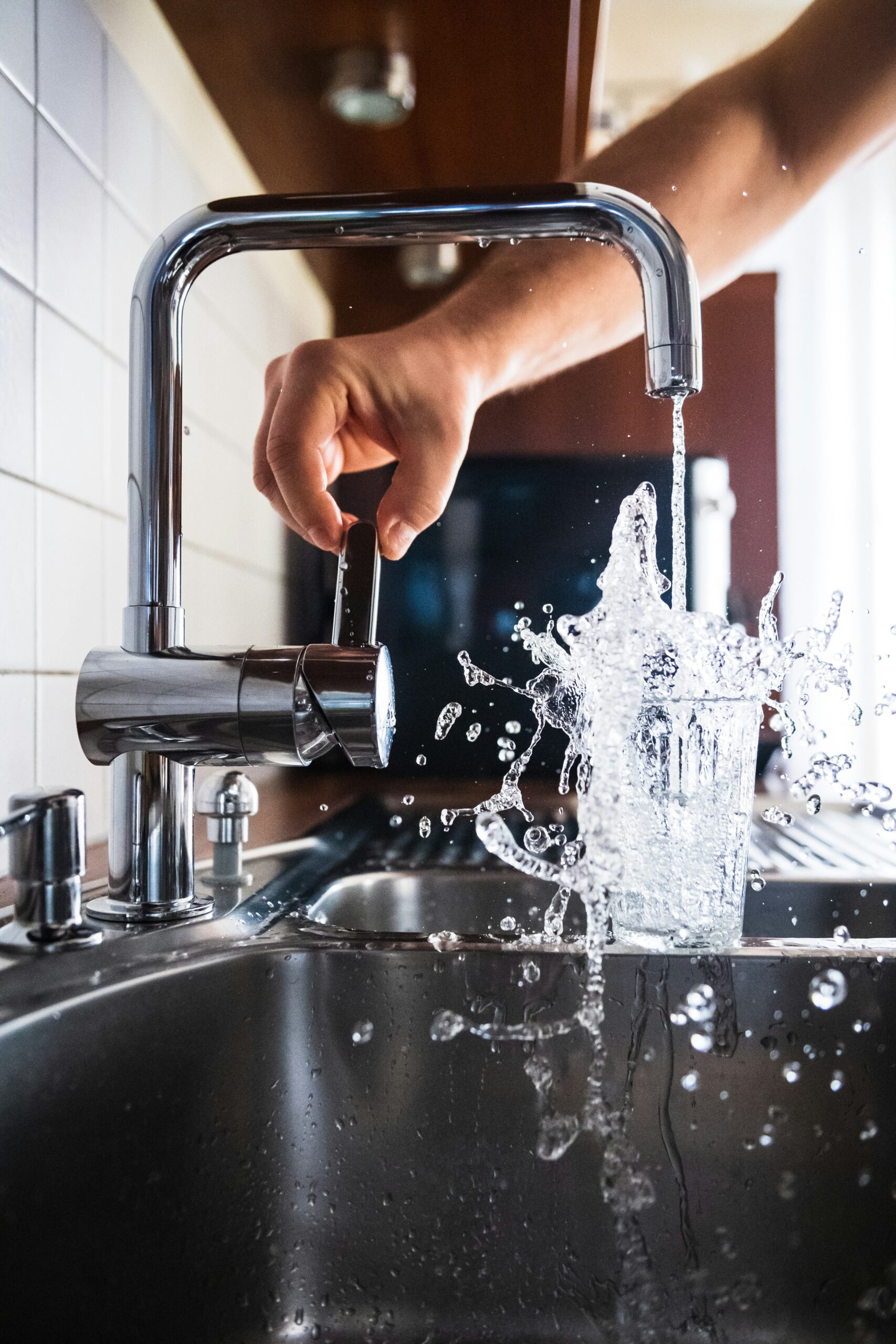
Image used for illustration purposes only.
Image via Jacek Dylag/UnsplashHow is the quality of water measured?
A combination of physical, biological, and chemical indicators plays a role in ensuring that water is clean and safe to drink.
According to Izham, water quality in the Selangor network is measured through pH level (acidity or alkalinity), turbidity, colour, and chlorine residuals.
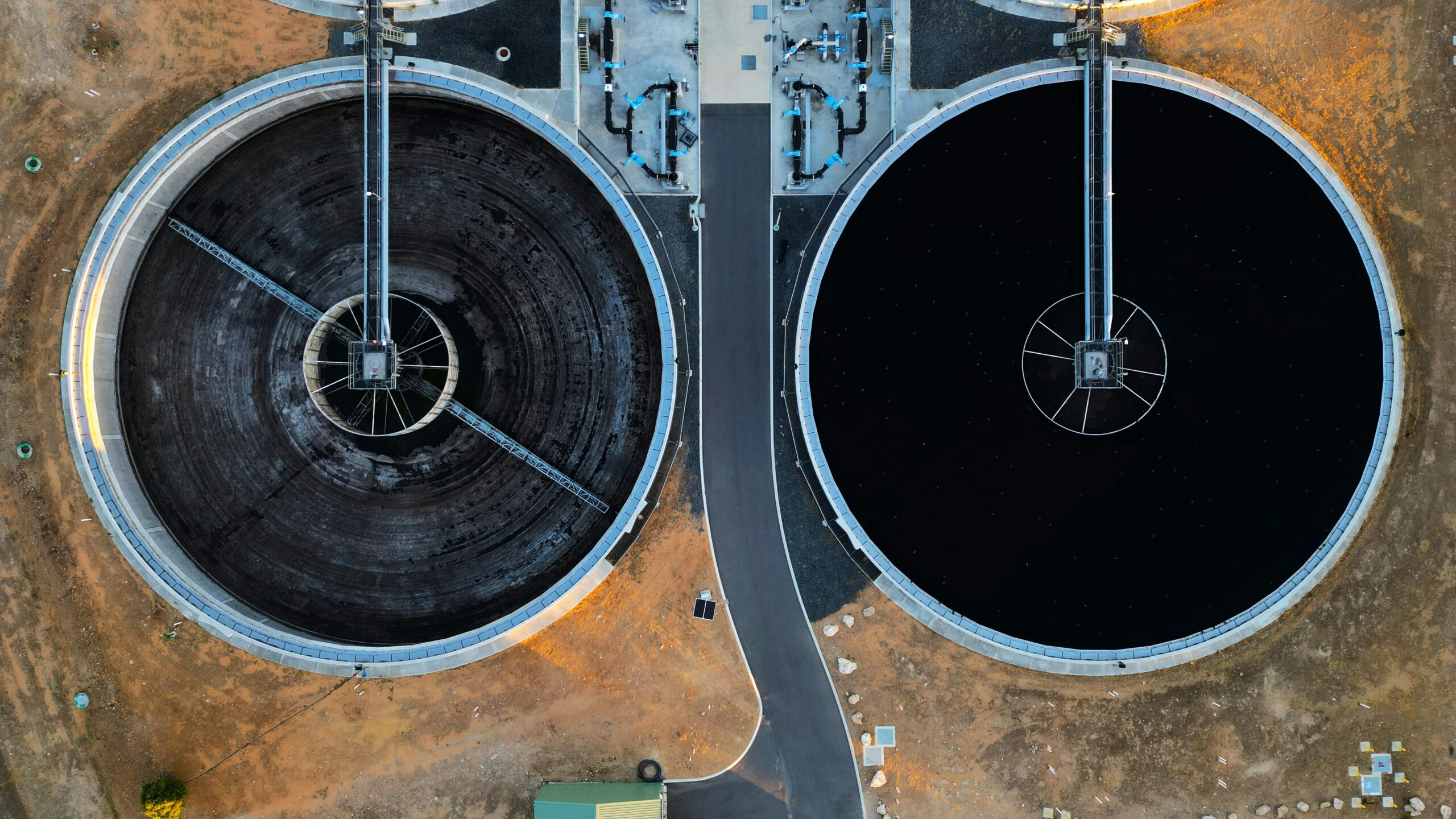
An example of a water treatment plant. Image used for illustration purposes only.
Image via photoken123/UnsplashIzham noted that Selangor has performed well every year in terms of water quality, hitting 99.94% in May 2025
Of the 34 water plants, each has its own pipe network, except for two that share one. These networks feed into balancing pools before channeling water to consumers.
Two methods are used to ensure water quality:
- Hybrid distribution water quality real-time analysers (Hydras), which function as online quality monitoring stations and anomaly detection alarms.
- Periodic analyses of 1,500 water samples by a lab. A total of 190 Hydra stations in the state log water readings every 15 minutes, with data updated daily.
Besides water treatment plants, Hydra stations are also installed in places that require monitoring of water quality and an alert system for anomalous readings.
Izham said the state government wants to avoid a situation where water quality differs between measurements at the plant and further down the pipeline.
