 Cover image via news.az
Follow us on Instagram, TikTok, and WhatsApp for the latest stories and breaking news.
Singapore is tightening its screen-use rules in schools
From January 2026, secondary school students will not be allowed to use smartphones or smartwatches at any point during school hours, including recess, co-curricular activities (CCAs), and supplementary, enrichment, or remedial lessons.
This expands the current guideline, which only restricts device use during lesson time, CNA reported.
In a statement, the Singapore Ministry of Education (MOE) said students' devices will have to be kept in designated storage areas or in their school bags.
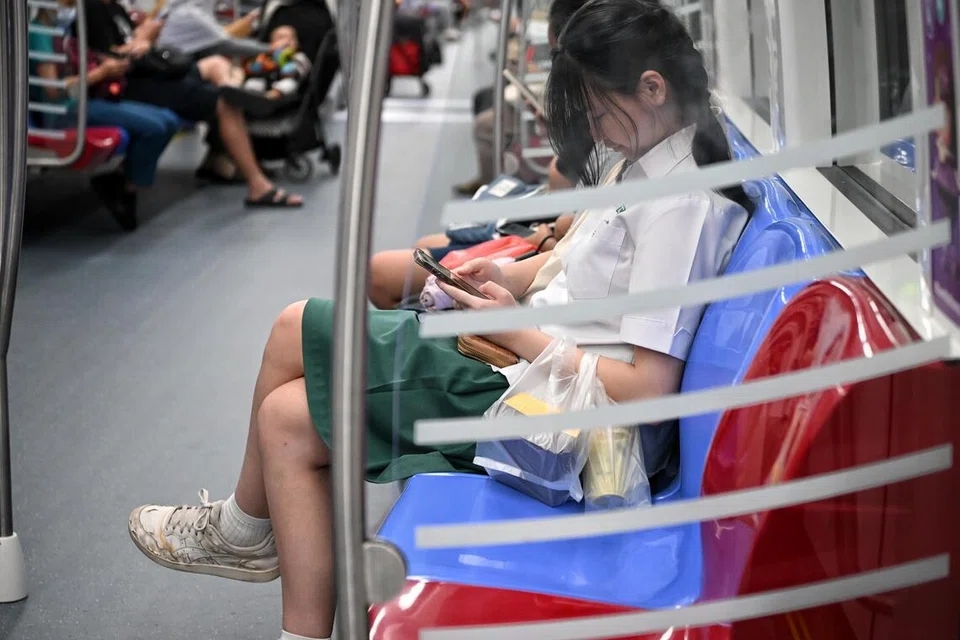
However, schools may allow phone use "by exception" when necessary
MOE said similar guidelines have been in place for primary schools since the launch of the national health promotion strategy Grow Well SG. Some secondary schools adopted these tighter rules early and reported improved student wellbeing, better focus, and more face-to-face interaction during breaks.
The ministry also said it would move the default nightly lock time for students' personal learning devices, mainly iPads or Chromebooks used for schoolwork, from the current 11pm to 10.30pm starting in January.
The devices will go into sleep mode from 10.30pm to 6.30am.
According to MOE, each device has a management application that can block harmful content and set screen time limits. Parents can choose to keep the default settings, adjust them, or disable them outside school hours, though the ministry encouraged families to align with the earlier lock time.
On enforcement, MOE said schools have autonomy to set discipline policies that fit their student profile, but most work with students and engage parents to address underlying issues around device misuse
Disciplinary measures may be used when needed.
The ministry said older students in junior colleges and Millennia Institute are expected to have developed enough self-management to use their devices responsibly.
However, phone and smartwatch use during lessons should still be restricted unless explicitly permitted by teachers. Device use outside lesson time may be allowed when needed.
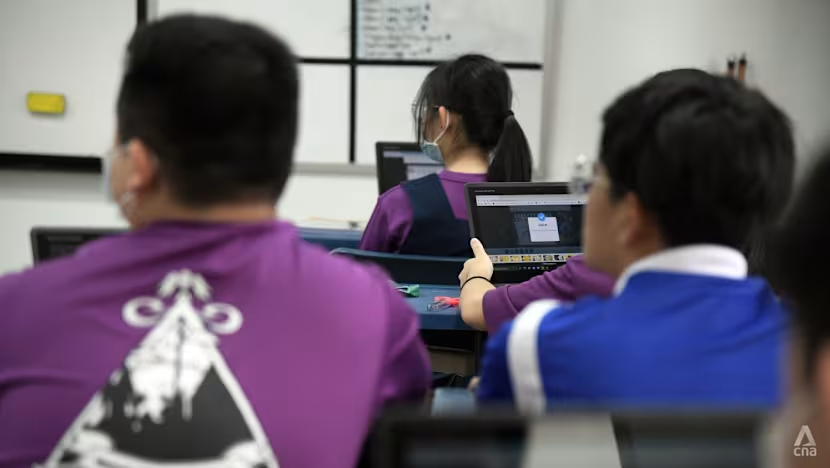
The tightened rules follow updated screen-use guidelines issued by the Ministry of Health (MOH) earlier this year
These include no screen time for children under 18 months, and limiting screen time for those aged 7 to 12 to under two hours a day outside of schoolwork.
A government survey published in September found that about a quarter of teens aged 13 to 17 spent more than four hours a day on digital devices on weekdays, with the figure rising to nearly half on weekends.
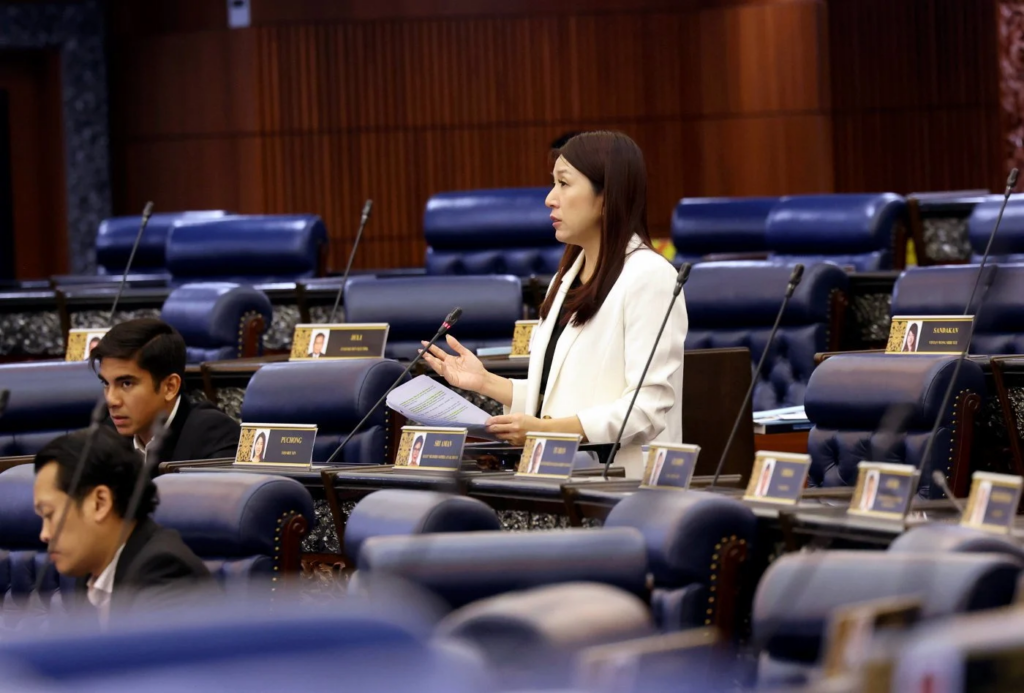
The move to curb screen time in schools mirrors concerns in Malaysia, where parliamentarians have highlighted rising risks from excessive Internet use among children
During a session in the Dewan Rakyat today, 2 December, Special Select Committee on Women, Children, and Community Development chairperson Yeo Bee Yin said 55.7% of children spent between one and four hours online daily last year, with 60.7% owning their own devices.
Yeo cited symptoms linked to excessive Internet use, including Internet gaming disorder (IGD), social anxiety, mental health problems, addiction, and sexual misconduct, reported the New Straits Times.
A study covering 5,290 adolescents across seven states found 3.5% were diagnosed with IGD, which translates to approximately 315,000 children in Malaysia, with nearly half experiencing severe anxiety, over a third severe depression, and nearly a fifth severe stress.
On sexual offences, she noted that nearly half of the cases involve children, with 68.1% being consensual acts between minors under 16.
Early exposure to pornography, social media, and digital sexual content influenced almost 90% of adolescents engaging in repeated sexual activity.
Yeo added that about 30% of sexual offence cases involving children in rehabilitation institutions stemmed from poor control over gadget use.