


 Cover image via
 Follow us on Instagram, TikTok, and WhatsApp for the latest stories and breaking news.
Parents and experts in Malaysia are urging to delay social media access for children under 16, as concerns rise over cyberbullying, grooming, and harmful content
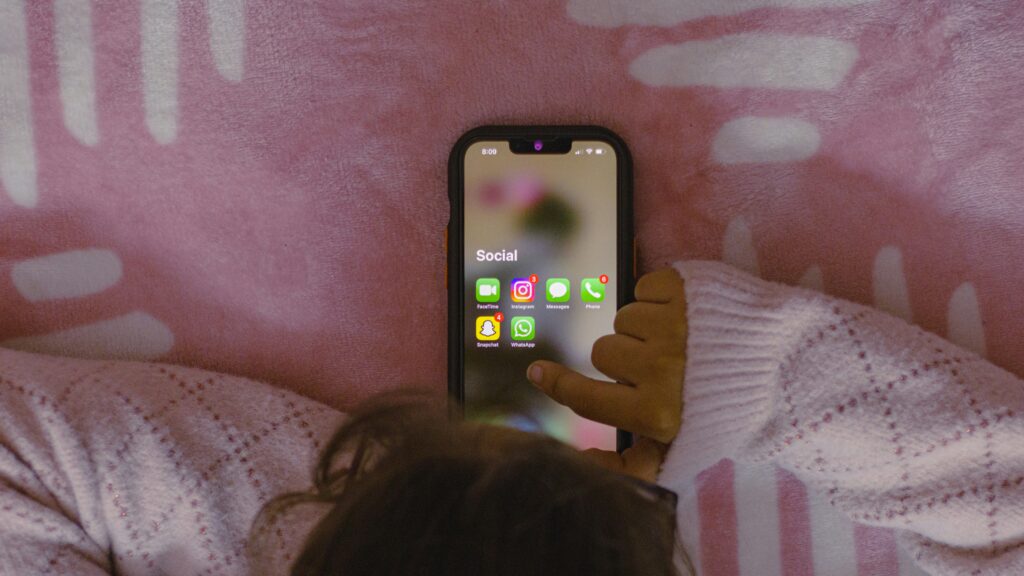
The proposed policy mirrors Australia's 'delay not ban' approach, meaning underage accounts won't be deleted, but instead placed under parental supervision.
Unicef Malaysia has already warned that children are encountering bullying, grooming, and even sexual exploitation online.
Bernama reported that 1,578 requests were submitted between January 2022 and 15 February this year to remove extremely offensive content involving children, with 96% successfully taken down.
Meanwhile, the Malaysian Communications and Multimedia Commission (MCMC) received 8,399 cyberbullying complaints from January to October last year, that's about 27 cases daily.
In an interview with Free Malaysia Today (FMT), psychotherapist Dr Prem Kumar said that social media has completely changed how exposure happens
"Today it's 24 hours, anytime, anywhere. There is no such thing as school hours or specific places any more," he said, pointing out the fact that anonymity and the scale of online platforms make children more exposed.
Prem further warned that early exposure to abuse could affect long-term development.
"At stages where they should build trust and self-esteem, it becomes mistrust and low self-esteem," he added.
Psychologist Joel Low also told FMT that even the volume of content alone can be harmful.
"The access social media provides is overwhelming, even for adults. For children, it can seriously affect self-esteem and their sense of self," he said.
Rebecca Lee, a mother of a 10-year-old, also said that children are simply not ready to handle these risks
"Most under-16s don't yet have the maturity to spot these dangers or protect themselves," she said.
She pointed out that even passive use like scrolling or watching videos, can expose children to disturbing or sexual content without warning.
"Kids can stumble upon harmful content at any time. It can leave them confused or curious in unhealthy ways," she added.
While tools like parental controls help, she believes they're not enough.
Experts and parents believe that delaying access is a step forward, but not a complete fix
Joel described it as "a good start," while stressing the need for better awareness and education.
Prem agreed, saying regulation alone won't solve the issue.
"Banning alone has never worked. It has to be about guidance, digital literacy, and shared responsibility," he said.
For Lee, she said it was important to educate and prepare children early before they are exposed to social media.
"No app or filter can replace parental relationships. It's about building trust and making sure kids know they can come to their parents anytime something feels off," she said.
This article originally appeared on Free Malaysia Today, with rights to be republished on SAYS.
