Cover image via
Follow us on Instagram, TikTok, and WhatsApp for the latest stories and breaking news.
Researchers from universities in China, Australia, and Singapore have discovered a virus that can reportedly be transmitted from seafood such as shrimp and fish to humans
According to a study published in March by Chinese Academy of Fishery Sciences, Qingdao Eye Hospital of Shandong First Medical University, the University of Melbourne, and Duke-NUS Medical School, the virus, known as covert mortality nodavirus (CMNV), was first discovered in farmed shrimp in 2014.
Its discovery helped scientists explain a disease that had caused major losses to China's shrimp farming industry in 2009, reported SCMP.
Today, researchers found that the virus has since spread across multiple continents.
In Asia, about 35% of shrimp samples and 40% of fish samples tested positive for CMNV.
The virus was also detected in marine specimens from the Americas, Africa, and Antarctica.
Meanwhile, testing conducted on 351 seafood products from markets across six Chinese provinces found CMNV in between 33% and 62% of samples involving fish, shrimp, crabs, molluscs, and cephalopods, reported Forbes.
CMNV is listed by the World Organisation for Animal Health as an emerging infectious disease, reported Taipei Times.
However, Taiwan Centers for Disease Control (CDC) said the risk of contracting the virus in the country is "extremely low".
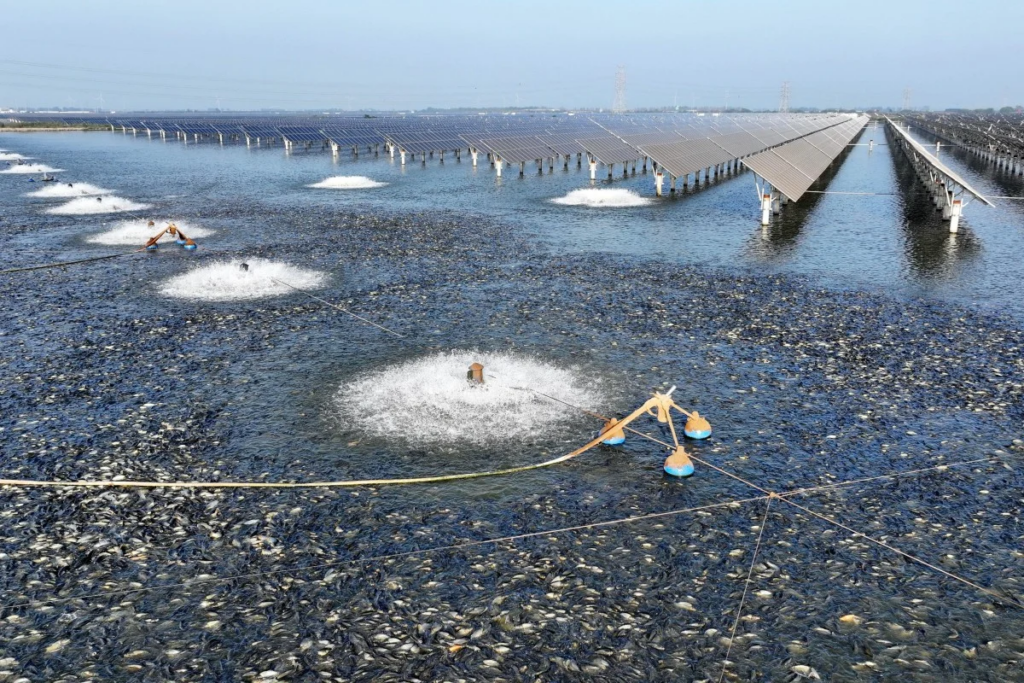
Researchers believe the spread of the virus is closely linked to increasing human interaction with aquatic animals, particularly among workers in aquaculture and seafood-processing industries
In China, provincial rates of the eye disease linked to the virus were found to closely mirror areas with high aquaculture production.
The connection has reportedly become stronger in recent years as the global fisheries and aquaculture industry continues to expand.
An analysis involving patients from different regions in China found that eye infections linked to the virus were significantly more common in the country's major fish-farming provinces, reported SCMP.
The six provinces that produced over 10 million tonnes of farmed seafood between 2022 and 2024 recorded infection rates among ophthalmic patients that were 77% higher than provinces producing less than 1 million tonnes.
According to Forbes, global fisheries and aquaculture production reached 223 million tonnes in 2022, supplying around 15% of the world's animal protein intake, and more than half in several countries across Asia and Africa.
Researchers warned that as the industry grows, especially in developing regions, more people are being exposed to animals that may carry the virus.
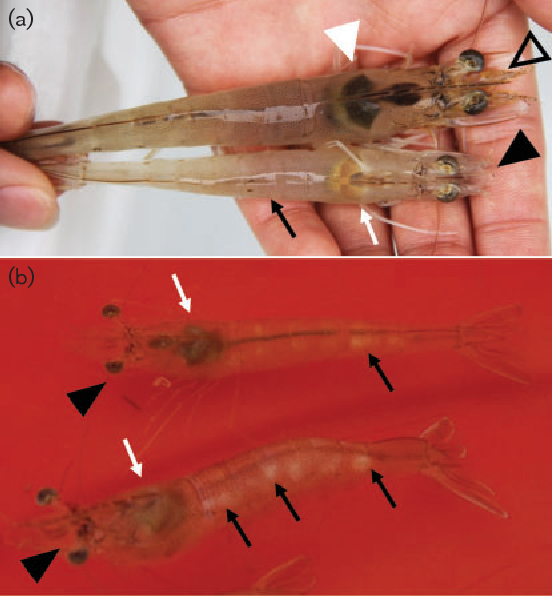
A whiteleg shrimp carrying the covert mortality nodavirus (CMNV).
Image via Semantic ScholarWhat is the infection?
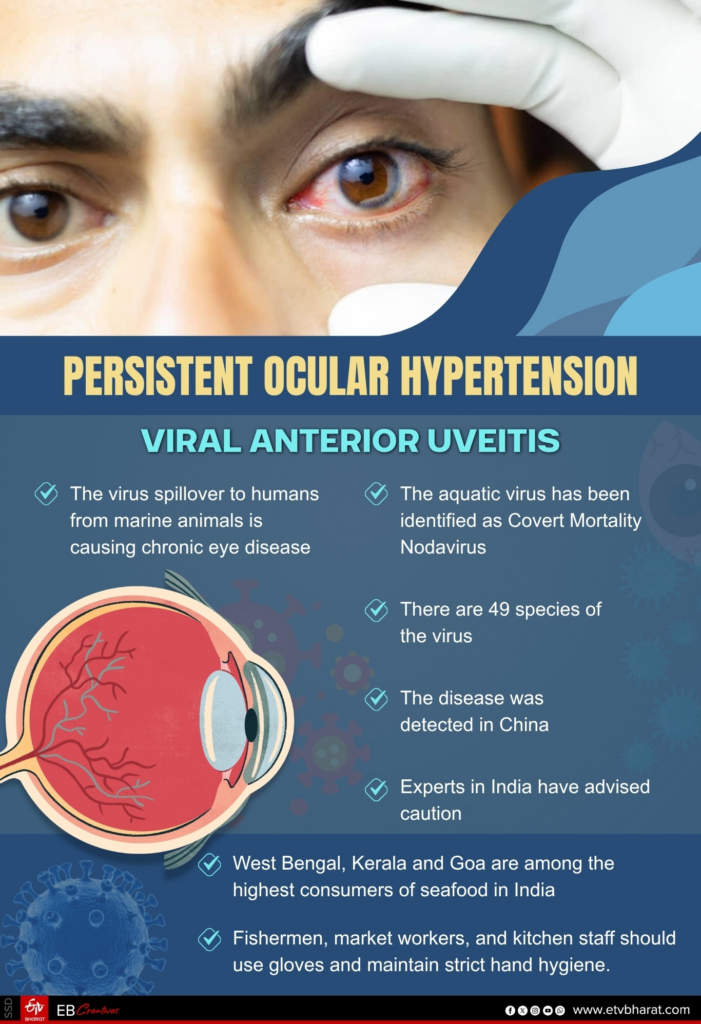
The virus has been linked to an eye condition called persistent ocular hypertensive viral anterior uveitis (POH-VAU), which causes recurring inflammation and dangerously high pressure inside the eye.
If left untreated, the condition can lead to permanent optic nerve damage, severe vision impairment, and even blindness.
About one-third of the patients observed in the study eventually required anti-glaucoma surgery, while one patient reportedly lost their vision permanently, according to Forbes.
Researchers noted that closely related nodaviruses can survive freezing temperatures but are destroyed by heat, meaning properly cooked seafood is likely safe to consume.
However, they stressed that the greater risk lies with people who regularly handle raw aquatic animals as part of their work.
Beyond direct handling, the study raised the possibility of "interfamilial transmission" within households through "shared utensils or other close contact at home", reported SCMP.
Researchers advised the public to take precautions, such as wearing gloves when handling seafood at home.
They also warned that climate change, natural resource exploration, and expanding fishing activities are increasing human contact with previously isolated marine wildlife, potentially raising the risk of viruses jumping from sea animals to humans.