


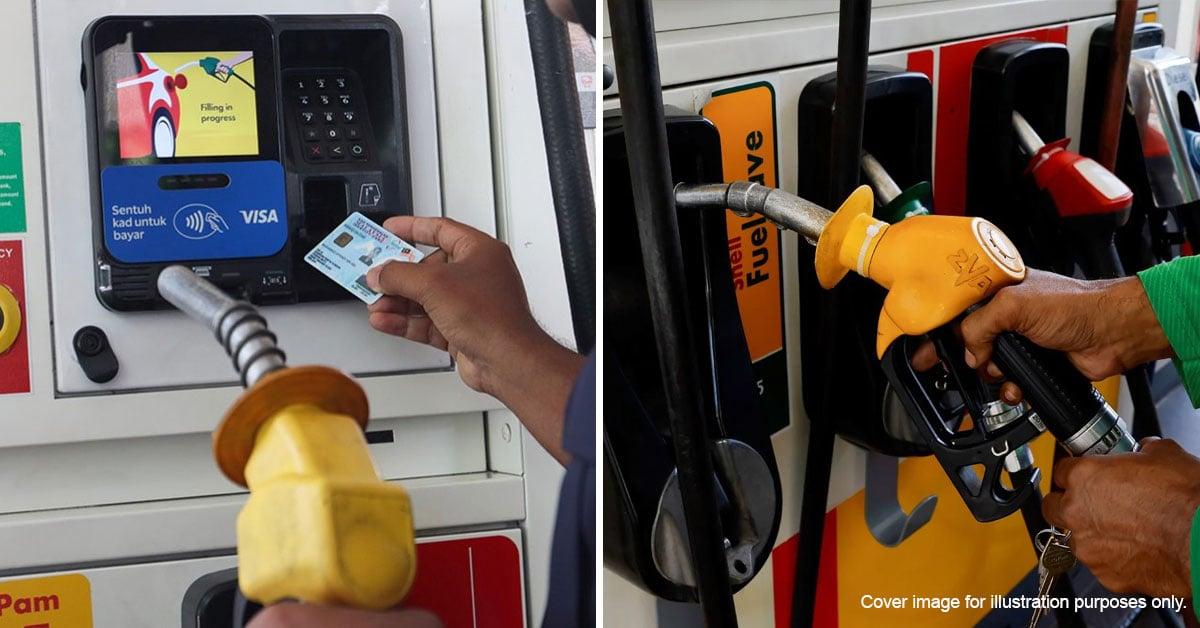
 Cover image via
Follow us on Instagram, TikTok, and WhatsApp for the latest stories and breaking news.
An economist is urging the government to remove BUDI95, the RON95 fuel subsidy, for the top 20% income group (T20)
Speaking to FMT, Ahmed Razman Abdul Latiff of Putra Business School said removing the subsidy for the income group could save the government up to RM1.5 billion a month.
He arrived at this estimate by noting that the T20 accounts for about 30% of BUDI95 usage, while the government spends roughly RM5 billion monthly on the subsidy.
"The government can consider restructuring existing subsidies so that only those in need would receive them. For example, BUDI95 now applies to all Malaysians with a valid driving licence. Perhaps this can be limited to the B40 and M40.
"It was previously said that over 30% of RON95 is used by the T20.
If RM5 billion is spent on RON95 subsidies a month, that 30% would equal to the government saving RM1.5 billion a month if the T20 don't get the subsidies," he told FMT.
Ahmed added that a more targeted approach could help the government better manage the rising cost of living.
Speaking in Putrajaya yesterday, 4 May, Prime Minister Datuk Seri Anwar Ibrahim acknowledged the increasing cost of living and said the government would continue relying on targeted assistance as its current approach, reported the New Straits Times.
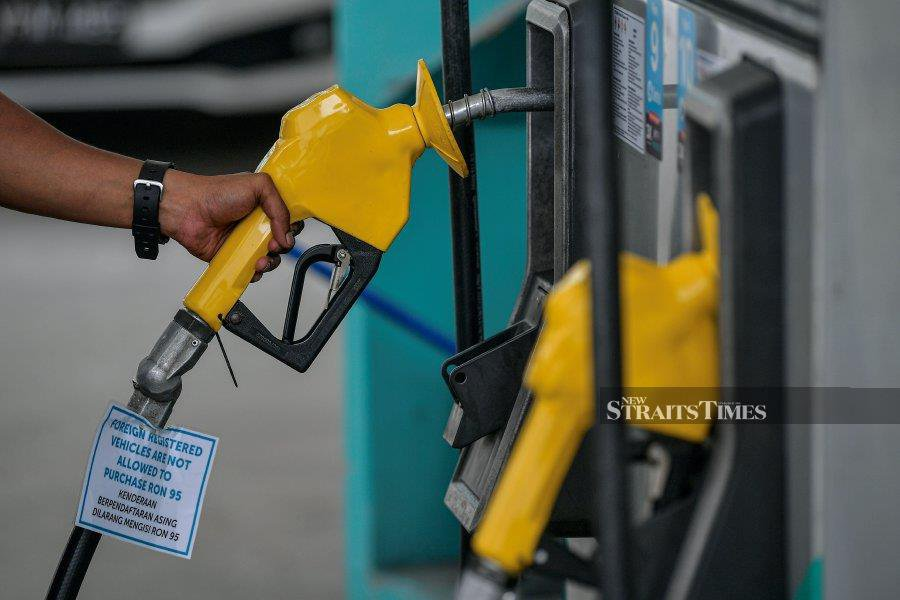
Image for illustration purposes only.
Image via Bernama via New Straits TimesMeanwhile, Bank Muamalat chief economist Afzanizam Abdul Rashid said while he supports revising the BUDI95 policy for the T20, but not removing it entirely
He told FMT that subsidies should continue for vulnerable groups, while access for higher-income earners is tightened in light of fiscal constraints.
He also noted that ongoing geopolitical tensions, including the Iran conflict and restrictions in the Strait of Hormuz, have created uncertainty in global energy supply and prices.
"The savings from the subsidies for the high-income would be quite significant since these users typically use high-powered vehicles. The lower-income benefit more from the subsidies," he said.
Afzanizam added that studies by the World Bank and the International Monetary Fund indicate that targeted subsidy reforms for higher-income groups are feasible.
Rather than removing the T20 entirely from BUDI95, he suggested introducing a lower monthly quota for them compared to lower-income groups.
