


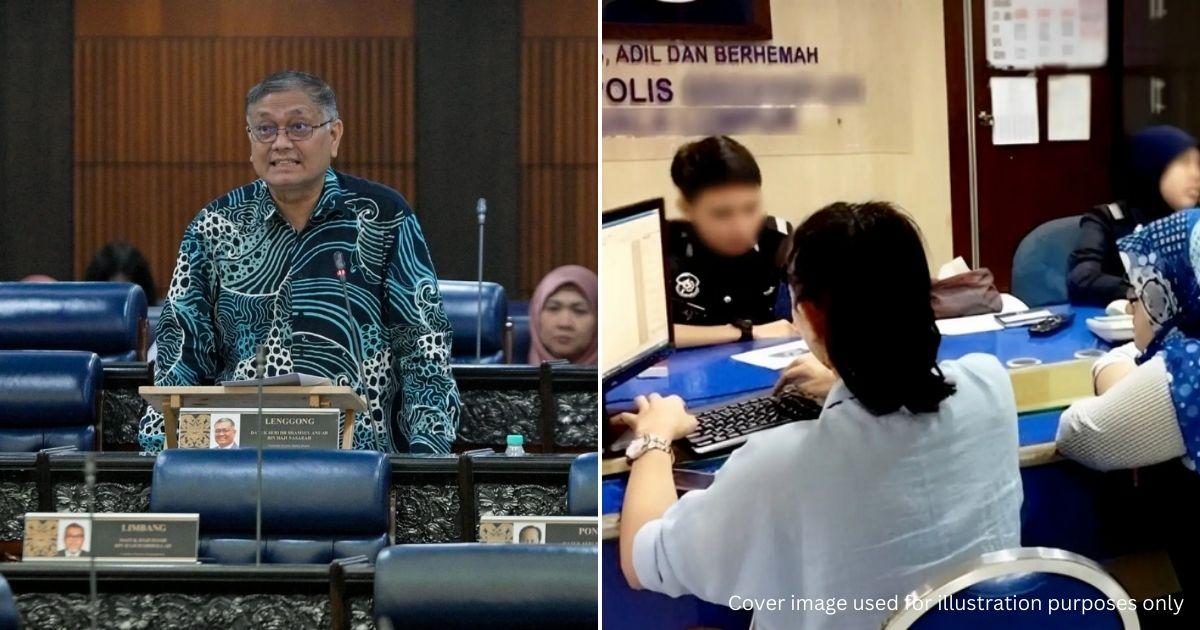
 Cover image via
Follow us on Instagram, TikTok, and WhatsApp for the latest stories and breaking news.
Police officers who refuse to accept reports from the public risk dismissal from the force, the Dewan Rakyat heard today
Deputy Home Minister Datuk Seri Dr Shamsul Anuar Nasarah emphasised that such conduct represents a grave violation of existing protocols, specifically the Public Officers (Conduct and Discipline) Regulations 1993 and internal police disciplinary frameworks, according to the New Straits Times.
To ensure consistent enforcement and maintain professional integrity, compliance is rigorously monitored at both district and contingent levels through internal audits.
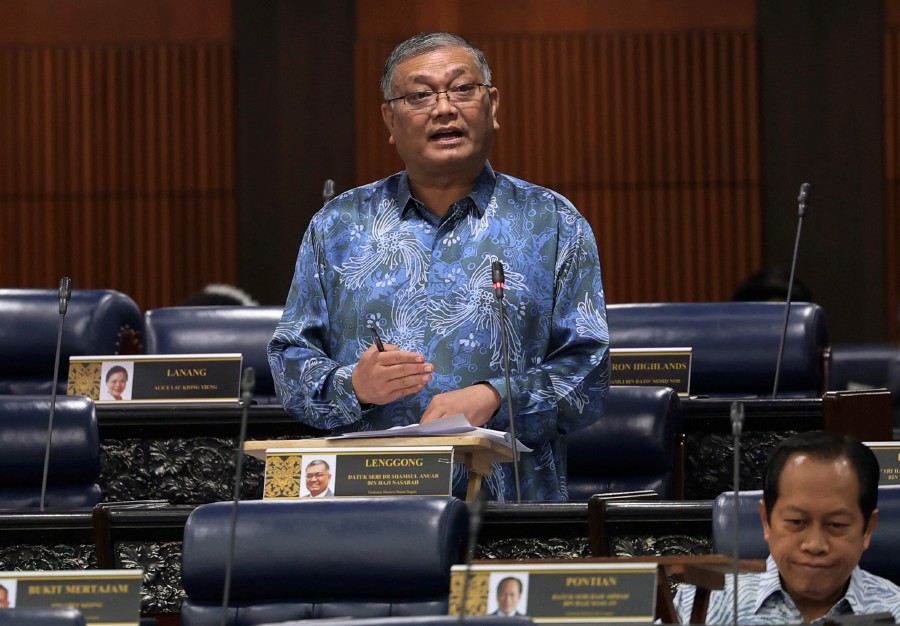
Shamsul Anuar noted that any failure to adhere to these directives could trigger disciplinary proceedings against officers, including breaches under the Public Service Administrative Circular (PKPA) No. 1 of 2025
Under this updated directive, refusing to document a public report is a serious offence that may ultimately lead to the termination of the officer's service.
The deputy minister provided these details in response to a question from Ramkarpal Singh (PH–Bukit Gelugor)
Ramkarpal inquired whether the government plans to introduce legislation ensuring all police stations nationwide accept reports, regardless of the complainant's attire.
This follows past controversies in which two women involved in road accidents were initially barred from lodging reports over alleged dress code violations at the stations.
Addressing these concerns, Shamsul Anuar clarified that the police force has since issued instructions prioritising the welfare, safety, and immediate needs of complainants during emergencies, as reported by the Malay Mail. In such high-pressure scenarios, dress code compliance is not enforced.
These exemptions apply to cases involving crimes, road accidents, and security threats, as well as situations involving significant emotional trauma, such as robbery, domestic violence, or sexual assault.
