




Follow us on Instagram, TikTok, and WhatsApp for the latest stories and breaking news.
With just one semester left, Pony (not her real name) had no choice but to abandon her studies to support her family financially
The 22-year-old admitted that she was initially hesitant about continuing her studies at first, mindful of her family's financial constraints.
"But my parents convinced me, because no one in my family has a degree, and I am their last hope since I am the youngest," she said.
Pony's 65-year-old father is a retiree, while her 59-year-old mother works as a senior beauty advisor.
She has three siblings, and during difficult times, the family once survived on instant noodles and bread for weeks.
"My mom wasn't around much at the time, my siblings weren't working, and my dad made around RM1,000 from volunteering while I was still at school.
"Most days when I came back from school, I saw my dad crying alone — it really saddened me," she recalled.
Pony had been pursuing a degree in English for Intercultural Communication, but the decision to leave was unavoidable given her family's situation.
Her parents' health, she said, recently added to the pressure.
"My dad had just been discharged from National Heart Institute, and my mom suffers leg pains after 12-hour shifts every day.
"Seeing them like that breaks my heart, so I decided to stop studying and work to help them.
"I never know what the future holds for my parents, and I'm scared to think of it," she said, though she still hopes to resume her studies one day.
Pony said her student loans helped cover campus expenses, but it was still difficult as she had to share part of it with her family.
"I received almost RM2,500, minus RM500 for study fees, so I had around RM1,900.
"That would usually be enough, but since I gave some to my parents, I had to survive on the rest for five months — it wasn't enough," she said.
Pony now works as a barista in a mall at Putrajaya, earning around RM2,200, of which she allocates RM300 to RM500 to her parents.
She admitted she is not alone in this journey, having met many others who had to give up their education to ease their family's financial burdens.
She believes that more flexible and part-time courses, even at degree and diploma levels, could help students in similar situations.
"I know so many people who want to continue studying but can't because of financial issues or family responsibilities. Part-time courses would definitely help them achieve their dreams," she said.
Checks by SAYS found that most universities, particularly for degrees, diplomas, and certificates, offer distance learning programmes that allow students to work while studying.
Unfortunately, the number of courses available under this mode remains limited.
Universiti Kebangsaan Malaysia's (UKM) Institute for Inclusive Development and Advancement of Malaysia deputy director Dr Anuar Ahmad said the Malaysian education system should introduce greater flexibility, including providing opportunities for part-time employment.
He said the country's education system should move away from the traditional framework that requires students to complete years of study before entering the workforce.
"We cannot rely on a single track, finish school, then enter university, and only then start working.
"We need to promote alternative tracks, such as allowing students to work first before continuing their studies, or to study while working," he said, adding that there should be learning modes that provide students with room to work and study simultaneously.
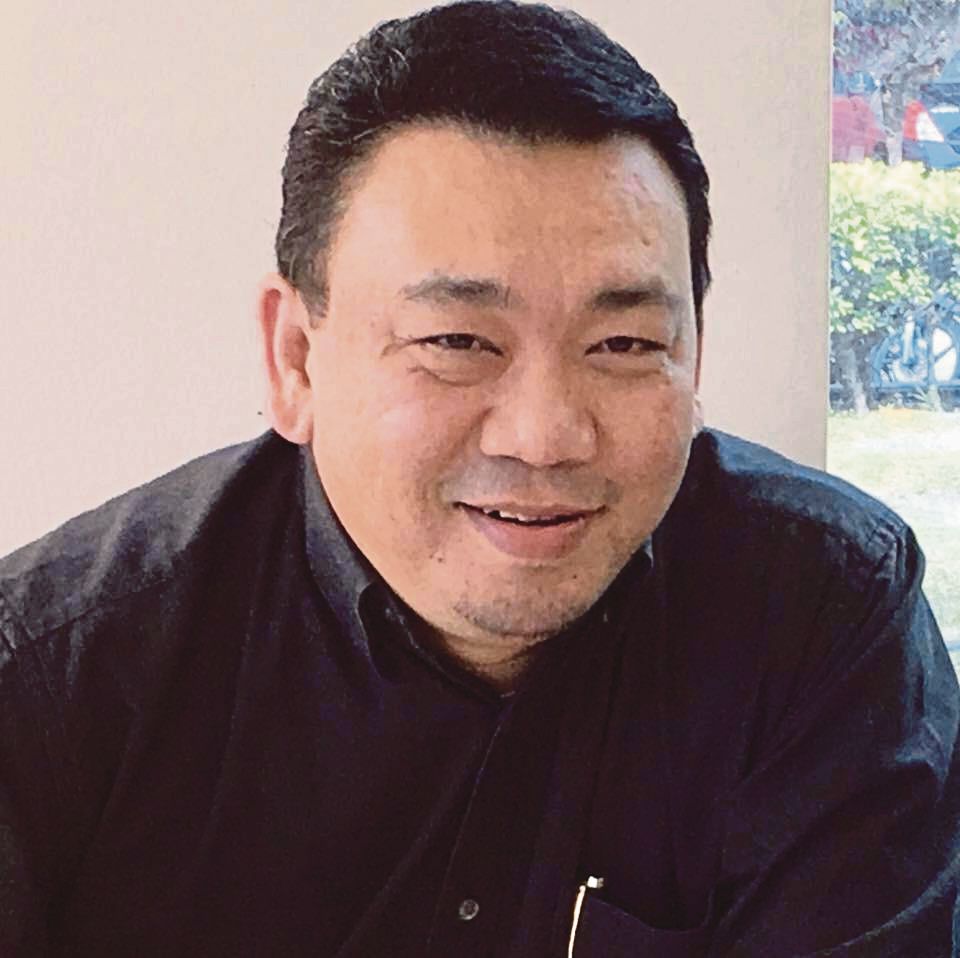
Dr Anuar said there should be learning modes that provide students with room to work and study simultaneously
Image via NSTPHe said in addition to ensuring that education meets industry needs, allowing students to work while studying gives them a better understanding of their jobs and the opportunity to upgrade their skills.
"If they work before pursuing their studies, they will have a better understanding of the challenges in their field when they enter university, as they already possess some work experience.".
"I believe this approach should be given greater room for the benefit of future generations," he said.
