


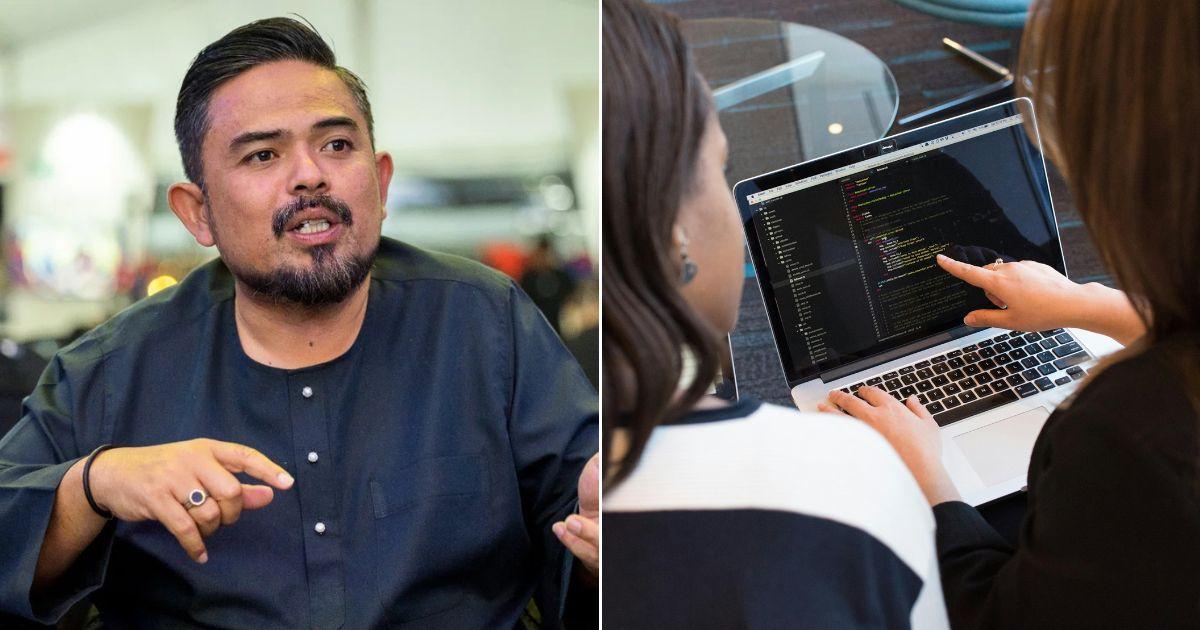
 Cover image via
The Malaysia-China Institute (MCI) welcomes the Skills Development Bill (Amendment) 2025 and the Skills Development Fund Bill (Amendment) 2025
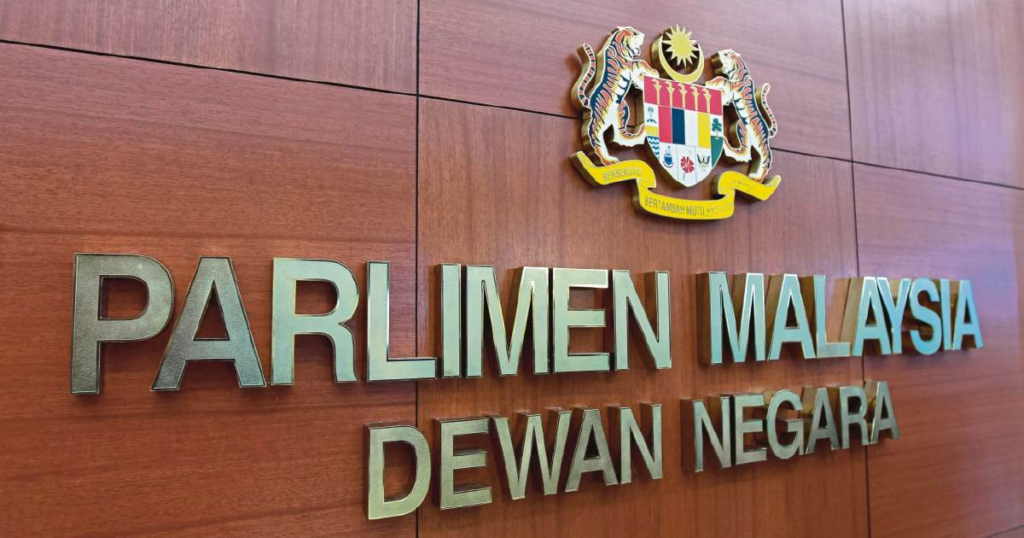
Both bills, which were passed at the Dewan Negara yesterday (18 December), are key catalysts for advancing the internationalisation agenda of Malaysia's Technical and Vocational Education and Training (TVET) system.
These amendments provide a strong legal foundation to elevate the national TVET system to a more modern, flexible, and globally competitive level.
"In the context of Malaysia–China TVET cooperation, I view these amendments as not only strengthening domestic system capabilities, but also positioning Malaysia as an international-standard skills training hub, aligned with the growing strategic Malaysia-China collaboration in training, certification and talent development," said Manndzri Nasib, chairman of the MCI Advisory Board.
The bill amendments are expected to help Malaysia's TVET sector go more global and make it easier for local talent to work overseas

By recognising training programmes outside the National Occupational Skills Standards (NOSS) and expanding modular options like the Malaysian Modular Skills Certificate (SKMM), Malaysia can better align its skills training with international standards used by advanced economies. This includes countries such as China, which currently leads the way in fields like AI, automation, robotics and semiconductors.
These changes also open the door to more international collaborations, such as instructor exchanges, student mobility programmes, and joint curriculum development with overseas institutions. At the same time, they aim to ensure that local graduates are trained to the same level as global talent, improving their chances of securing jobs abroad or working for multinational companies.
"These amendments enhance Malaysia's credibility as a country ready to adopt global best practices in module design, training methodologies, industry standards, and professional certification," said Manndzri.
MCI emphasises that the modernisation of TVET through these Bills will attract more foreign direct investment (FDI), particularly from China
China is among the largest investors in manufacturing, automotive, electric vehicles (EV), green energy, and digital sectors.
With the formal recognition of advanced technologies such as AI, automation, semiconductors, and EVs, foreign industries increasingly view Malaysia as a country that:
- Has a more consistent, standardised, and reliable talent pipeline
- Produces a workforce that does not require retraining from scratch
- Is capable of meeting the operational needs of smart factories and high-tech industries
- Demonstrates commitment to sustainable training through a more transparent and resilient Skills Development Fund Corporation (PTPK) fund
ㅤ
Foreign investors regard talent quality as a critical factor in investment decisions. Through these TVET Bills, Malaysia sends a clear signal that it is serious about producing highly skilled talent, supported by a more transparent, modern, and quality-focused system.
With more than 225 Chinese training institutions affiliated with MCI, the amendments open up new opportunities such as:
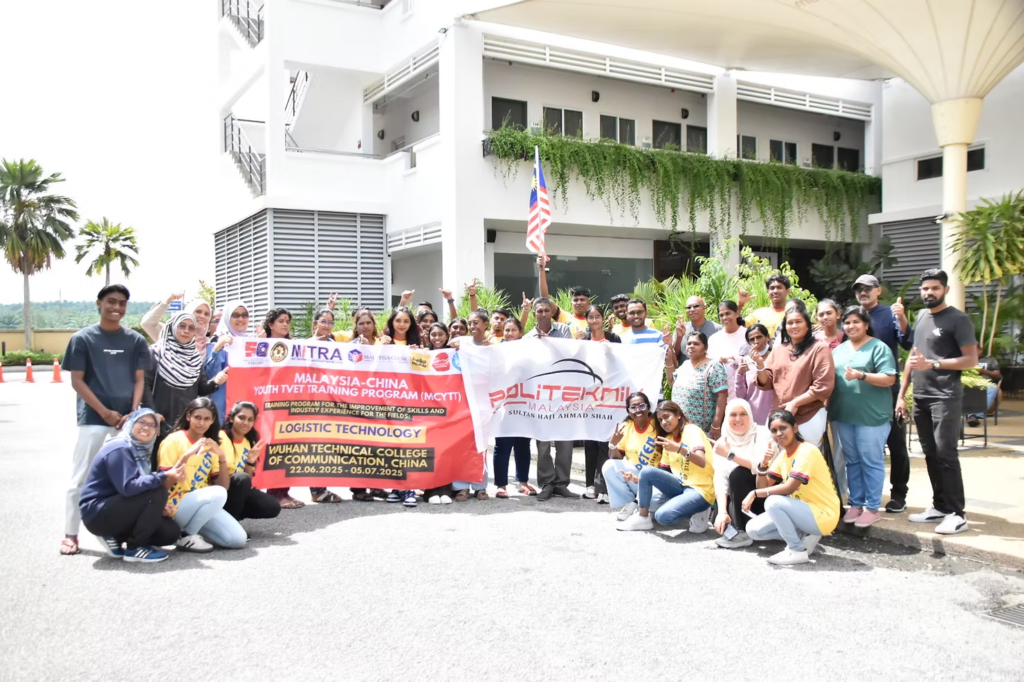
- Joint curriculum development in AI, EV, automation, robotics, and semiconductors
- Implementation of Malaysia–China dual certification recognised by industries in both countries
- Expansion of the Train–Intern–Job Placement model across more sectors
- International certification through initiatives such as the China Global Professional & Technical Certification (CGPTC)
ㅤ
"All of these initiatives support Malaysia's aspiration to become a regional centre of excellence for TVET and a key talent reference point for high-tech industries," added Manndzri.
MCI is confident that these Bills will strengthen Malaysia's position as a leading destination for high-impact skills training and an international talent development hub.
They are expected to create a more dynamic ecosystem that benefits youth, local industries and global investors alike.
