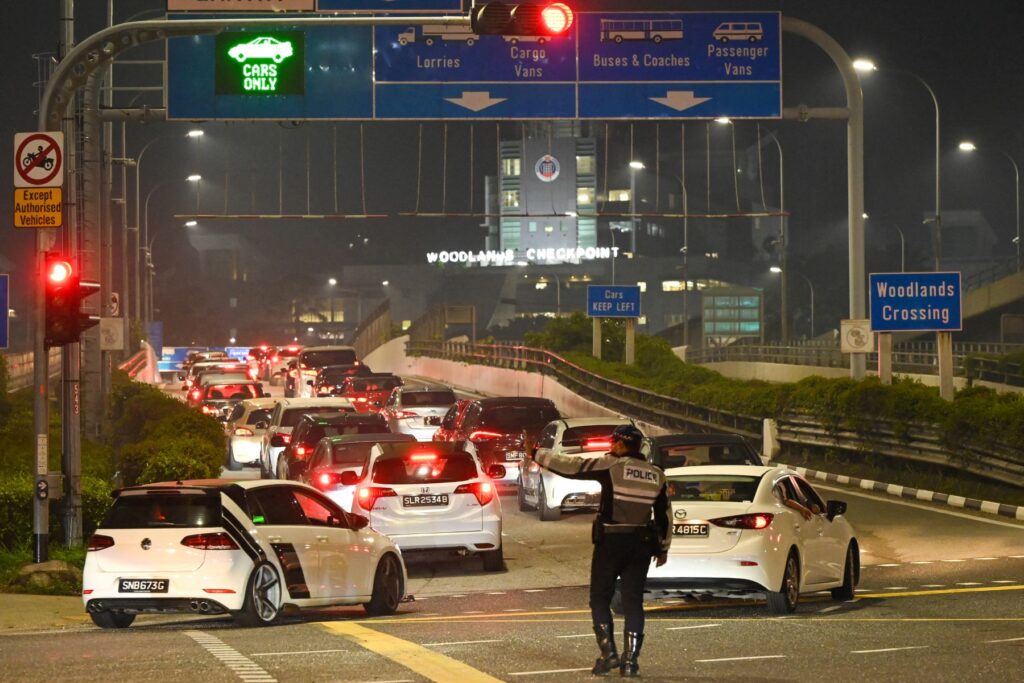
 Cover image via Roslan Rahman/AFP
Follow us on Instagram, TikTok, and WhatsApp for the latest stories and breaking news.
The government has clarified why some Malaysians who frequently travel between Johor Bahru and Singapore are considered ineligible for Sumbangan Tunai Rahmah (STR), following growing public queries
Deputy Finance Minister Liew Chin Tong explained in a Facebook post yesterday, 25 January, that STR is a targeted cash assistance programme meant specifically for Malaysian citizens residing in the country.
Liew said that while the government remains responsible for supporting citizens in need, it must also ensure fairness to all taxpayers by giving aid only to eligible recipients.
To strengthen verification, STR eligibility checks now integrate data from multiple agencies, including immigration records. The programme is still administered by the Inland Revenue Board (LHDN).
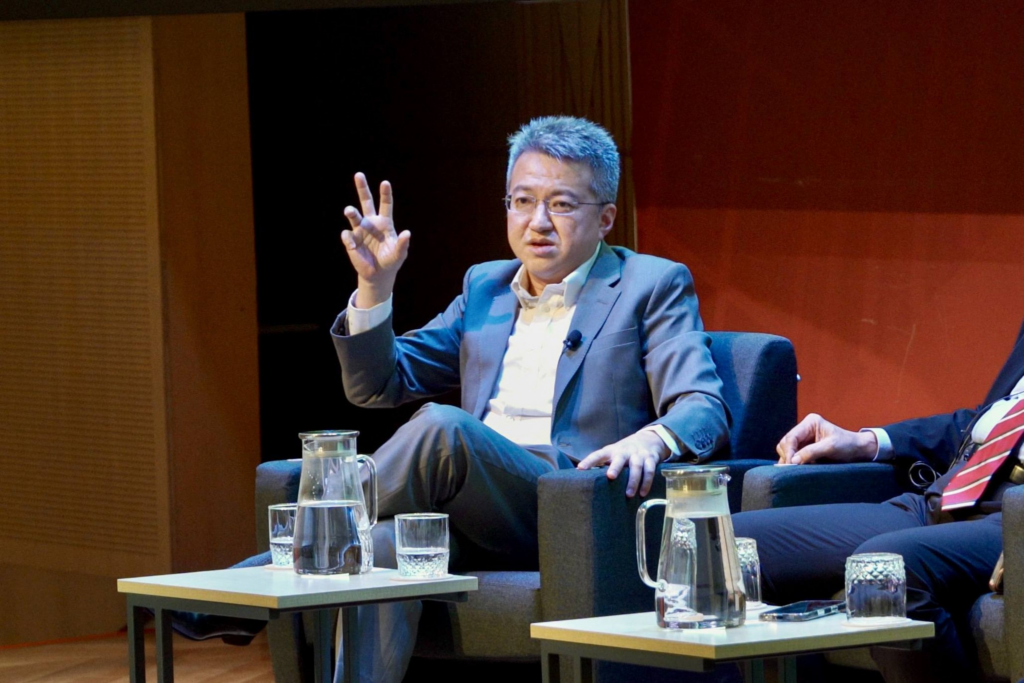
STR applicants must meet eligibility requirements, including residing in Malaysia, to qualify
Cases where STR status appears as "not approved" for Malaysians who frequently cross into Singapore are not considered cancellations, but are classified under a specific rejection code indicating that the applicant or their spouse is assessed as living, working, or studying abroad, Liew explained.
As part of the assessment, individuals who enter Singapore eight or more times per month are considered to be spending a significant amount of time outside of Malaysia.
Liew said that the assumption is that such frequency reflects regular weekly commuting, commonly associated with cross-border employment.
Meanwhile, those travelling to Singapore fewer than seven times per month are still considered to be making reasonable temporary trips.
"One to seven times per month is considered normal and reasonable, for activities such as medical treatment, emergencies, short-term assignments, or family matters.
"Eight or more times per month is interpreted as spending a significant period abroad," he said.
However, Liew acknowledged that some Malaysians may legitimately need to cross the border frequently for work while remaining employed locally
He cited logistics drivers, who must travel repeatedly into Singapore as part of their job, as an example.
For Malaysians affected by this eligibility assessment, the government has opened an appeal process, which will remain available throughout 2026.
The clarification from the deputy finance minister comes amid continued efforts to tighten targeting of welfare assistance, ensuring aid reaches households that genuinely need support while maintaining accountability in public spending.