


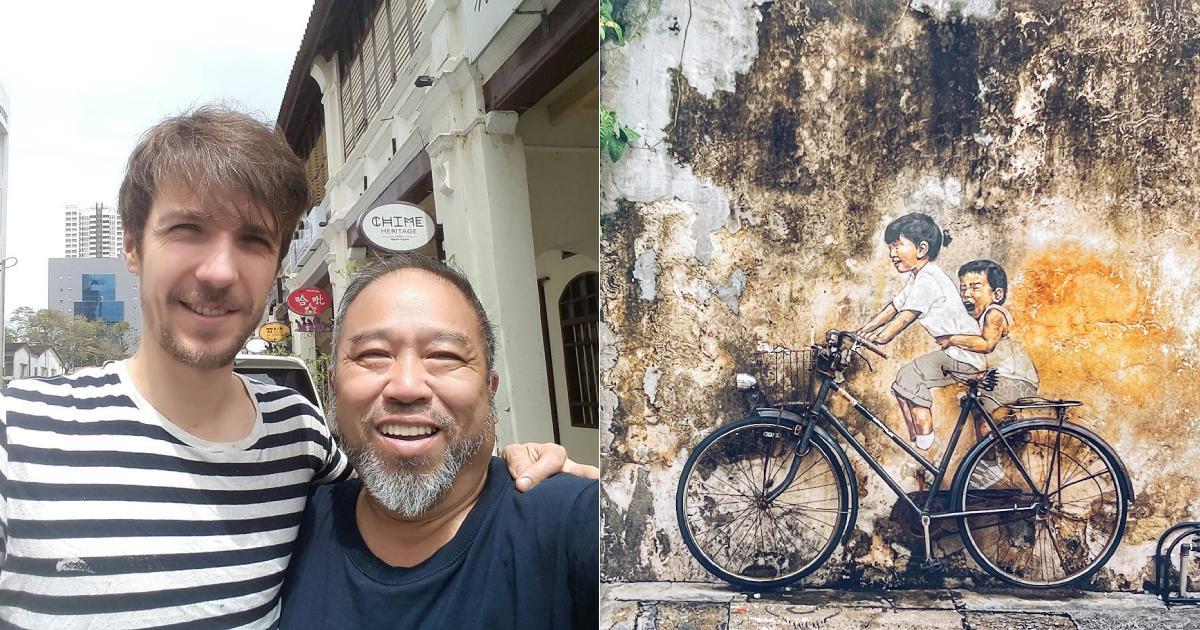
 Cover image via
Follow us on Instagram, TikTok, and WhatsApp for the latest stories and breaking news.
Tan Chor Whye, widely known as the 'Godfather of Malaysian Murals', passed away last night, 25 November, at the age of 67, due to heart disease
According to his son, Gideon Tan, he fainted at home.
Tan briefly regained consciousness twice.
"After he fainted a third time, we performed CPR immediately," he said, adding that by the time three ambulances arrived, he could not be revived.
"I'm sharing this news now to bid farewell to everyone on his behalf. Thank you all for your care and companionship to Dad over the years," Gideon wrote in a Facebook post.
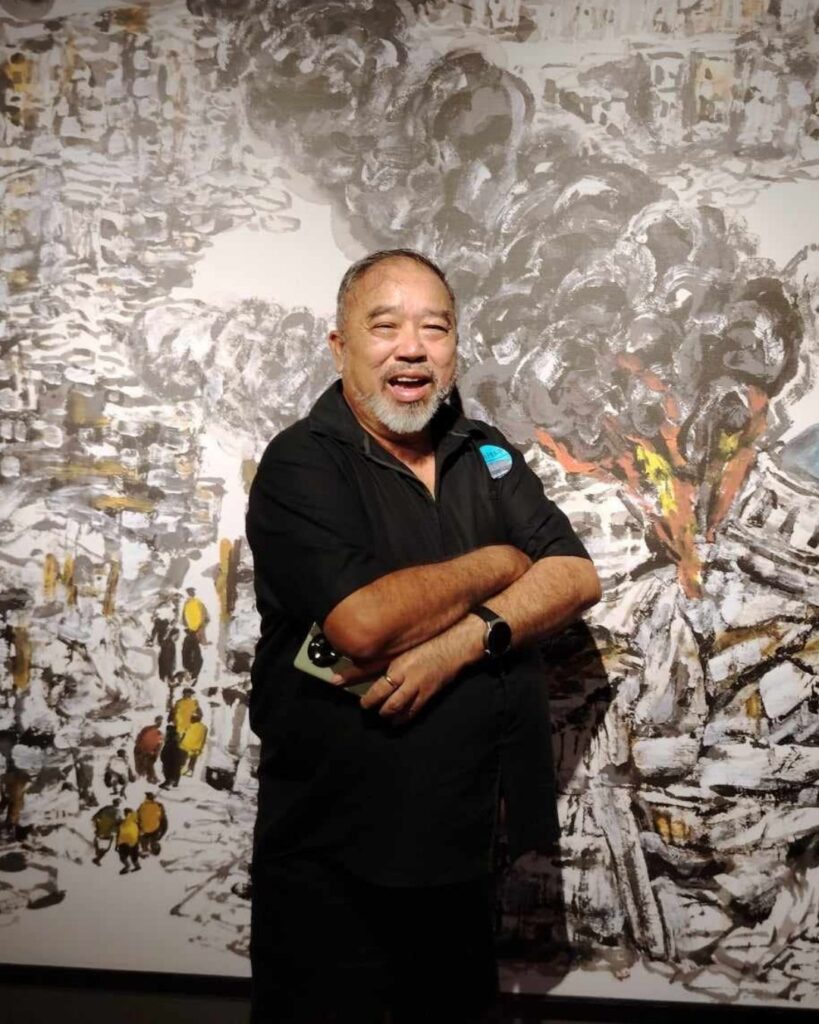
Tan, the founder of Can Can Public Art, was a central figure in shaping Penang's modern street art identity
Although trained in interior design in Taiwan, his legacy came from years spent quietly connecting artists, securing sponsorships, coordinating resources, and helping turn creative ideas into large-scale public artworks.
Before him, street art was often seen as vandalism in Malaysia. He used his background in interior design and his diplomatic skills to convince building owners and the government that these walls could become heritage assets.
His behind-the-scenes work played a key role in establishing Penang as an internationally recognised street-art capital of Asia.
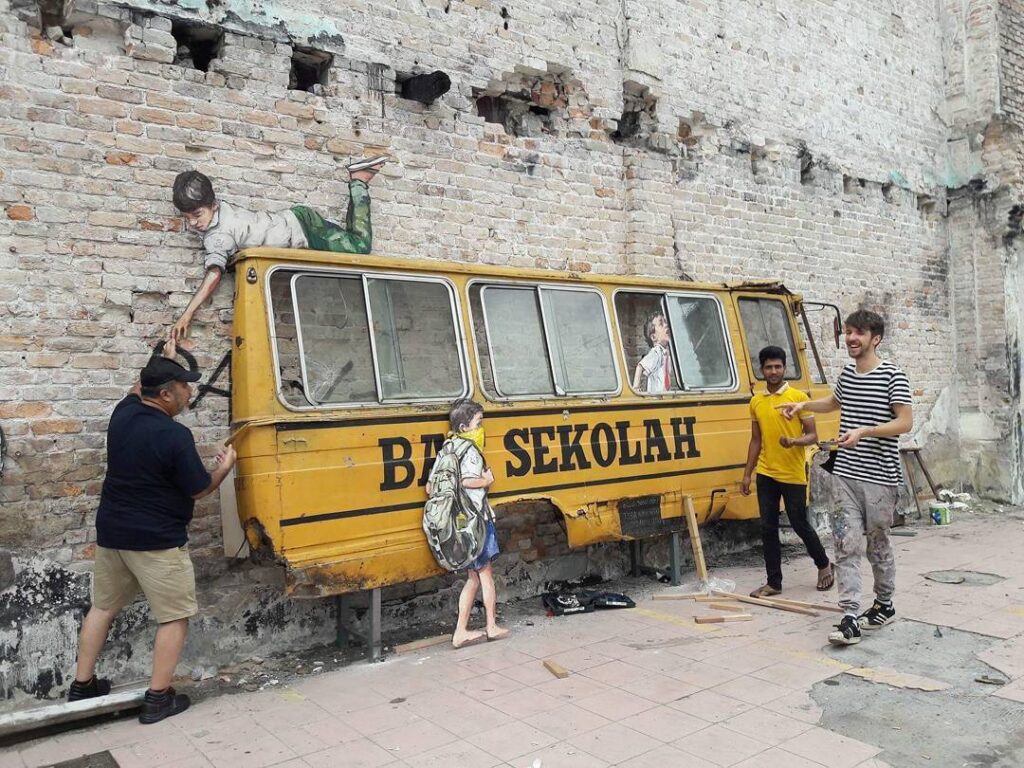
"Working with @ernestzacharevic on his latest street installation art 'Rage Against The Machine'."
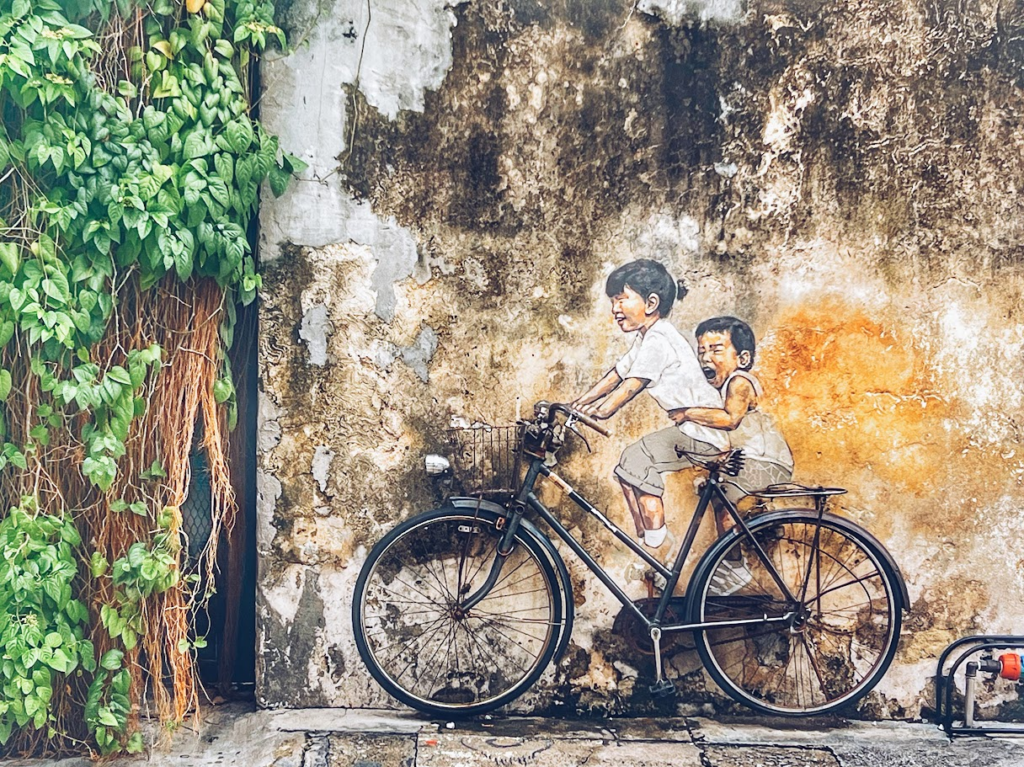
Image via @tanchorwhye (Instagram)Many of Penang's most photographed murals, including Ernest Zacharevic's Children on a Bicycle and Old Motorcycle, were realised through Tan's support and connections
In 2010, he bought one of Ernest's artworks for RM380 and later introduced him to the local art collective Urban Sketchers Penang, a meeting that shaped the future of Penang's mural movement.
Ernest's first mural in Penang was painted on the exterior wall of Tan's own café, featuring a local seal‑carving master.
Tan's imprint remains everywhere, on alley walls, heritage shoplots, markets, and hidden corners across George Town and beyond. His quiet, persistent work shaped the visual language of modern Penang.
Tan was also a passionate collector. His personal archive reportedly held between 400 and 500 paintings, reflecting a lifetime of devotion to the arts.
In recent years, Tan continued working with public figures and local communities
Last December, Bayan Baru Member of Parliament (MP) Sim Tze Tzin collaborated with him on a new mural project at the Sungai Ara Market, where residents voted between designs of an ice‑cream seller and a bread seller.
Sim paid tribute to him in his Facebook post today, 26 November, saying Penang had "lost a son who made street arts world famous", calling him instrumental in the 2012 street art wave.
"The Godfather of street arts left a towering legacy," he said.
Messages poured in on his personal Facebook page, with friends, artists, and long-time collaborators sharing memories of a man who championed public art long before it became a driver of tourism.
Many said Penang's street art landscape simply would not exist in the same way without his belief in what it could become.
Balik Pulau MP Muhammad Bakhtiar shared a tribute on Instagram, recalling how they brought Russian artist Julia Volchkova to Balik Pulau in 2015 when she was still relatively unknown.
Together, they created two murals that later helped propel her into becoming a celebrated wall artist.
"Chor Whye was more than a friend — he was a believer in art, culture, and the power of community," he wrote.
"His contribution to Balik Pulau's creative landscape will always be remembered."
