


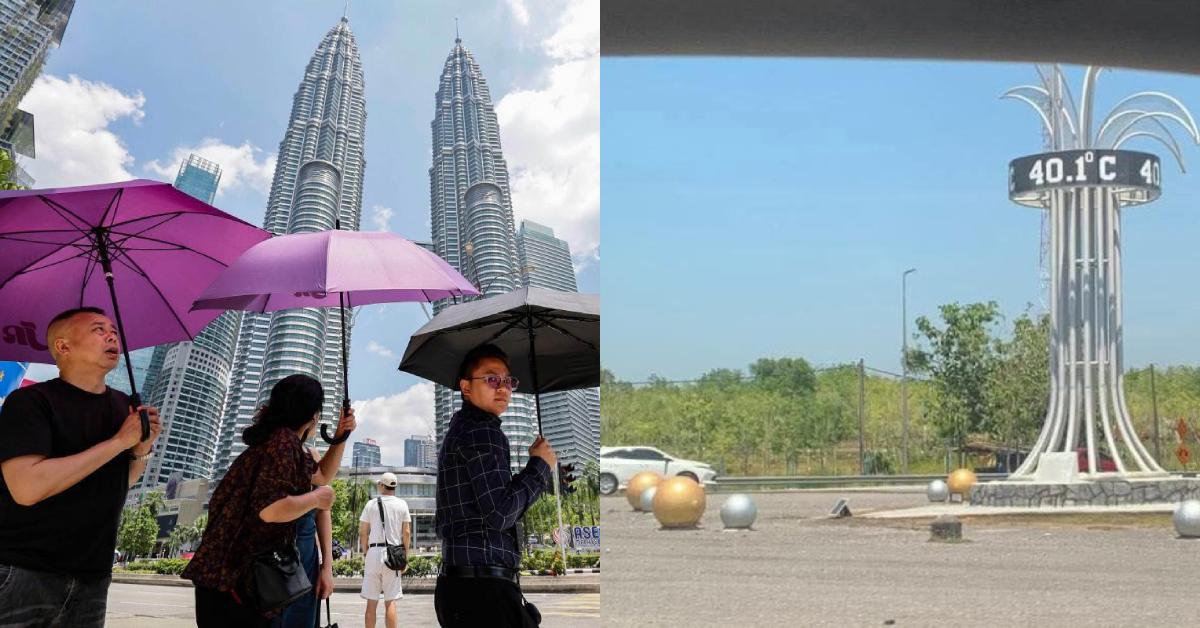
 Cover image via
Follow us on Instagram, TikTok, and WhatsApp for the latest stories and breaking news.
Malaysia could experience some of its hottest temperatures this year due to the El Nino phenomenon and the effects of global warming, a climate expert has warned
Climatology and climate change expert Prof Emeritus Dr Fredolin Tangang said global temperatures have been rising steadily, noting that 2024 was officially recorded as the hottest year in history after temperatures increased by 1.55°C.
The Academy of Sciences Malaysia fellow said although 2025 saw a slight cooling due to the La Nina phenomenon — the cool phase of the global climate cycle and the opposite of El Nino — it still ranked among the three warmest years on record.
"The continued effects of global warming meant last year still ranked as the third hottest year recorded so far," he told Harian Metro.
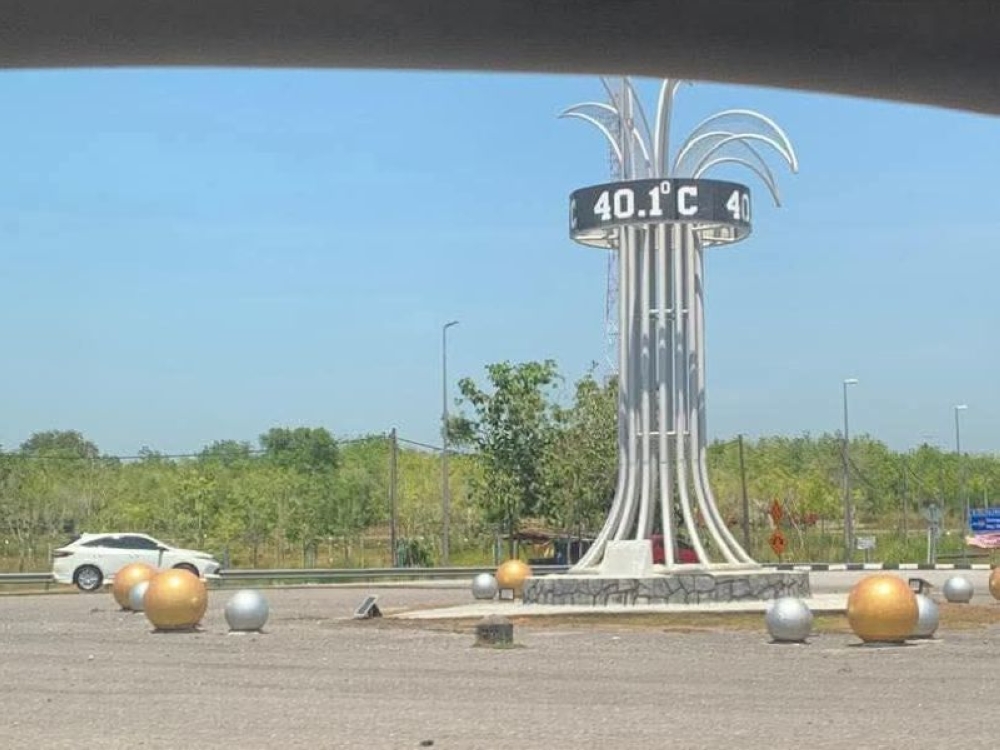
An outdoor LED display in Chuping, Perlis shows the temperature at over 40°C on 23 March.
Image via Mohd Fadli Salleh/Malay MailDr Fredolin said US climate forecasts indicate that an El Nino could develop between July and August, strengthen toward the end of the year, and potentially continue into early 2027 before weakening between March and April and ending around May next year
He added that the probability of the El Nino forming during Malaysia's Southwest Monsoon season — typically from late May to September — currently exceeds 70% and could increase to between 80% and 90% by year end.
"Based on my experience researching El Nino for more than three decades, I believe we may face a strong El Nino this year until early next year," he said.
As a result, he said the dry weather will increase the risk of drought, forest fires, and haze this year.
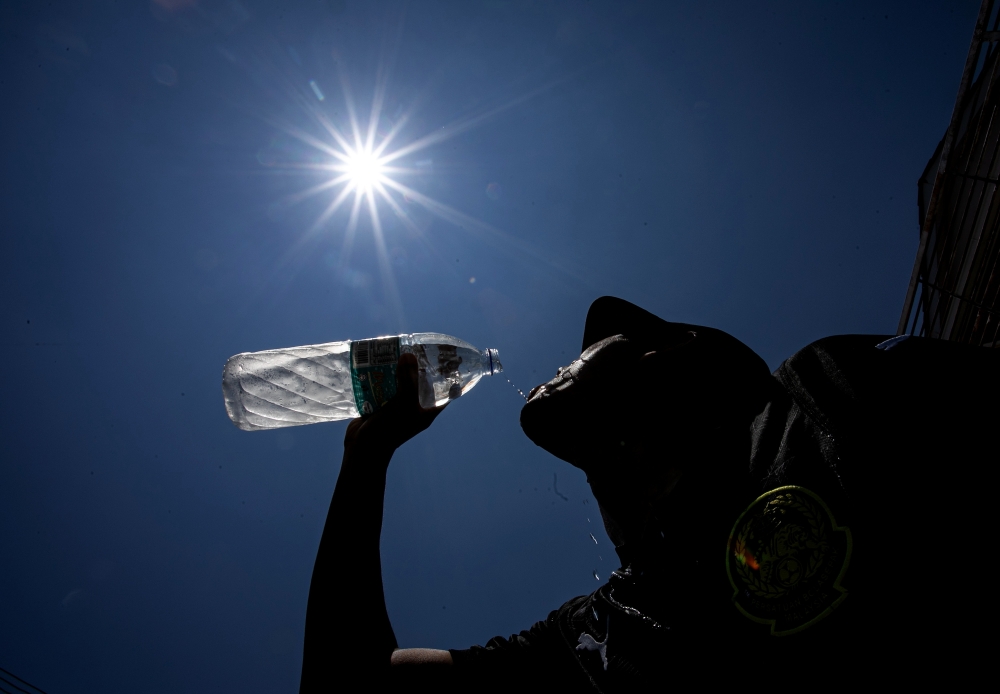
Globally, concerns about rising temperatures are also mounting
According to BBC, the United Nations' weather agency has warned that Earth's climate is now more imbalanced than at any point in recorded history.
The World Meteorological Organization (WMO) said the planet is currently trapping more heat than it releases due to greenhouse gas emissions such as carbon dioxide. This imbalance has pushed ocean temperatures to record highs and accelerated the melting of polar ice.
The WMO also noted that an El Nino could form in the second half of 2026, potentially pushing global temperatures to new highs in 2027, while the past 11 years have already been the warmest since records began in 1850.
