


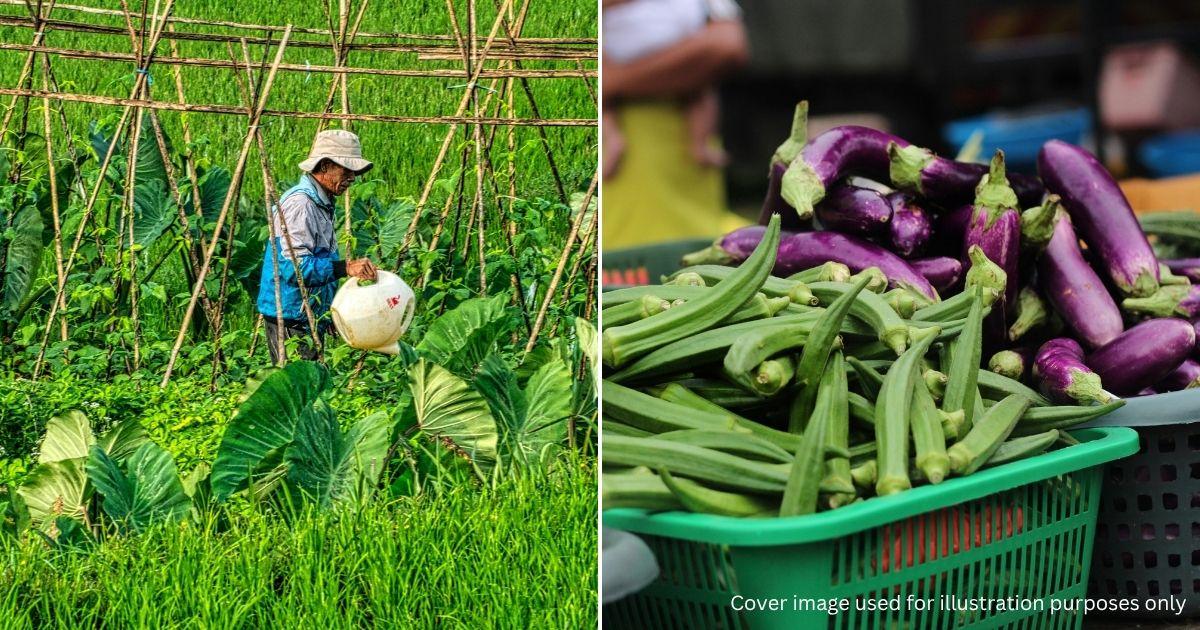
 Cover image via
Follow us on Instagram, TikTok, and WhatsApp for the latest stories and breaking news.
Recent geopolitical instabilities and supply chain shifts have highlighted Malaysia's significant reliance on imported fertilisers, a dependency that now threatens the nation's food security and the livelihoods of local farmers
According to a report by the S. Rajaratnam School of International Studies (RSIS), Malaysia remains particularly vulnerable to disruptions in the global fertiliser market, a situation exacerbated by ongoing conflicts in the Middle East and shifting trade dynamics in Eastern Europe.
The RSIS analysis points out that Malaysia imports the vast majority of its mineral fertilisers, leaving the domestic agricultural sector exposed to price volatility and supply shortages.
According to Prof Fatimah Mohamed Arshad, a research fellow at Universiti Putra Malaysia's Laboratory of Agricultural and Food Policy Studies, one-third of Malaysia's fertiliser passes through the Strait of Hormuz.
When global shipping routes are compromised or major exporters face sanctions, the ripple effects are felt immediately in Malaysian fields. These costs are then passed down to the consumer at the grocery counter, according to Code Blue.
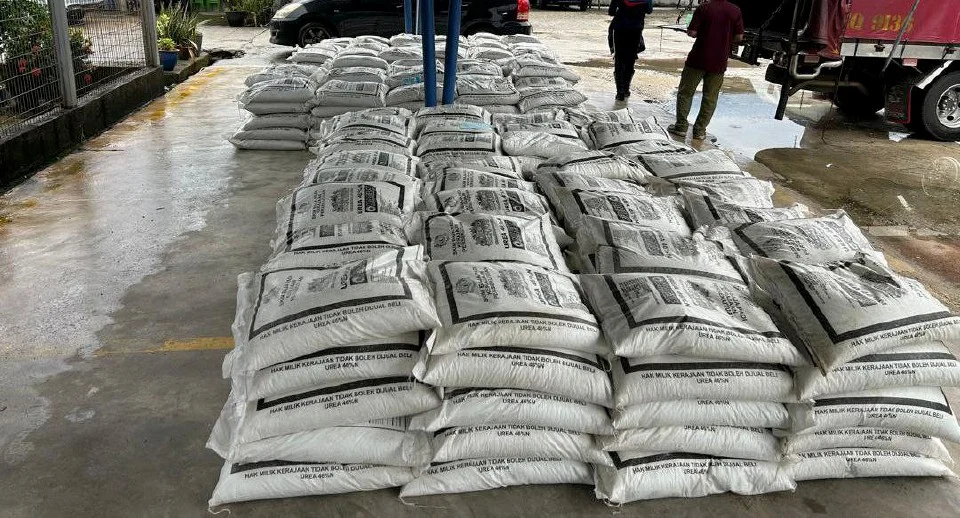
Industry experts note that as fertiliser supplies "dry up" due to logistical bottlenecks, the cost of cultivation rises
For Malaysian smallholders, who operate on thin margins, a spike in the price of a single bag of potash or urea can be devastating.
At current exchange rates, international prices for high-grade fertilisers can reach upwards of USD450 (RM1,980) per tonne, depending on the specific chemical composition and origin.
These overheads make it increasingly difficult for farmers to maintain current production levels without increasing the retail price of their harvests.
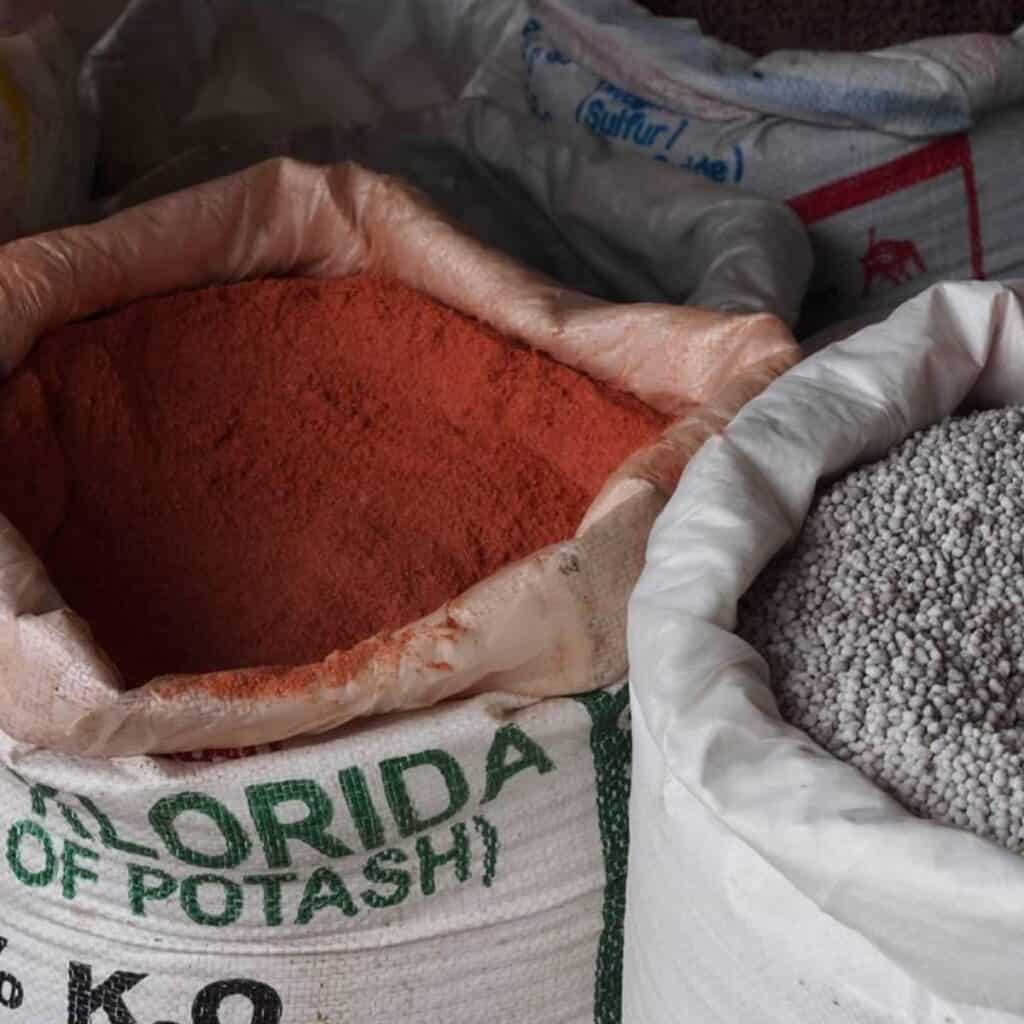
Image used for illustration purposes only.
Image via Plantcare TodayTo mitigate these risks, the RSIS report suggests that Malaysia must look toward diversifying its sources and investing in domestic production capabilities
While the country possesses some manufacturing capacity for urea, it remains heavily dependent on foreign markets for phosphate and potassium-based nutrients.
This structural weakness means that any tremor in global diplomacy — be it in the Red Sea or the Black Sea — translates into higher food inflation for the Malaysian public.
The impact is not limited to staples, as the fruit industry is expected to be among the hardest hit
Farmers in Johor and Pahang have expressed concern that the price of seasonal fruits could see a double-digit percentage increase if the supply situation does not stabilise by the next planting cycle, according to Sin Chew Daily.
Such a hike would further strain the household budgets of middle- and lower-income Malaysians who are already grappling with a rising cost of living.
Addressing this vulnerability requires a multi-pronged approach involving government subsidies, the promotion of organic alternatives, and long-term bilateral trade agreements to ensure a steady inflow of agricultural inputs.
Without a strategic shift, Malaysia remains at the mercy of a volatile global market, where the stability of the dinner table is dictated by conflicts thousands of kilometres away.
