


 Cover image via
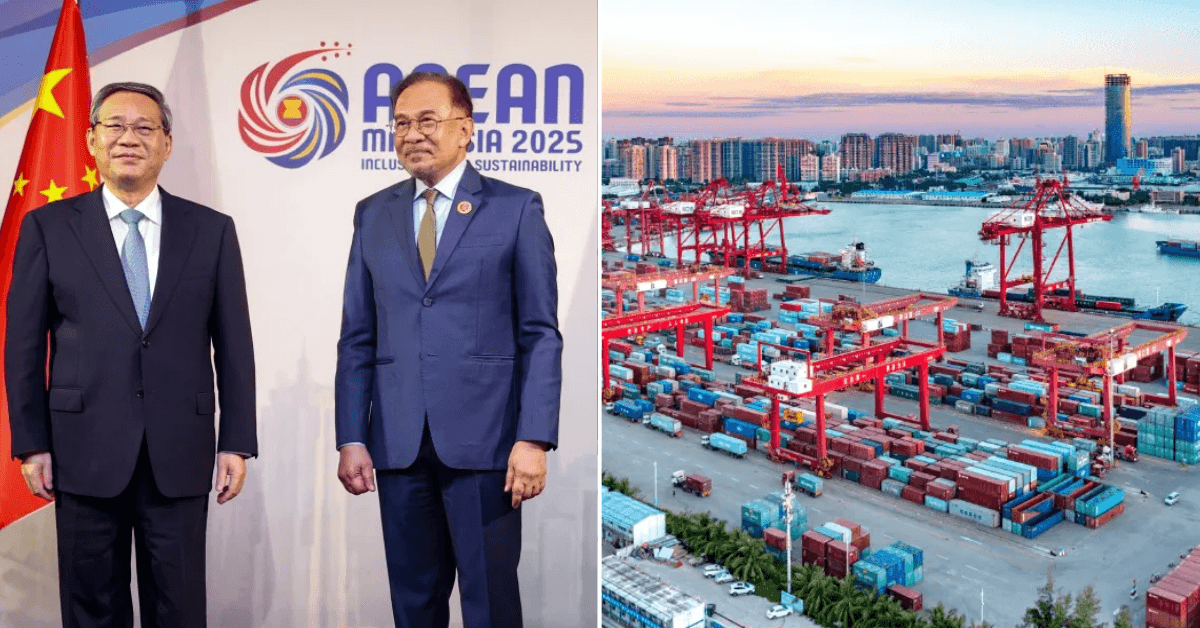
 Malaysia is the chairman of ASEAN this year, and it's using the role to do real work that could impact regional trade in a big way
In Asia, there are major opportunities unfolding involving three massive trade blocs: ASEAN, the Gulf Cooperation Council (GCC), and China.
These three blocs are working on separate deals that could shape the region's future, and Malaysia is stepping up to make sure that these talks connect, align, and deliver more than just headlines.
This role is all about long-term strategy, and will be carried out in a way that fits the Malaysia MADANI framework, which is all about being progressive, sustainable, and people-first.
Here's what's actually going on:
1. Malaysia wants all three major trade talks to be in sync

Image via ASEAN
While most countries are naturally focused on their own outcomes, Malaysia is looking at the bigger picture of connecting the following deals:
- ASEAN-China Free Trade Area (ACFTA) 3.0 (nearly done)
- This is an upgraded trade deal between ASEAN and China which, in addition to cheaper goods, also covers digital trade, green technology, and fairer business rules. Stakeholders could benefit by tapping into China's growing markets, especially for tech, halal products, and sustainable industries.
- China-GCC Free Trade Area (nearly done)
- This agreement, between China and Gulf countries like Saudi Arabia and the UAE, focuses on energy, infrastructure, and finance. Once signed, it'll make trade between them faster and cheaper. If ASEAN isn't part of this flow, it risks getting sidelined, which is why Malaysia wants in early.
- ASEAN-GCC Free Trade Area (just starting, but Malaysia hopes to fast-track it)
- Still in early planning, but this is where Malaysia sees big potential. It could open up more Middle Eastern markets for ASEAN and position Malaysia as a key link between China and the Gulf. Malaysia's aim is to help shape this deal while there's still time to influence it.
What makes Malaysia's approach different is the push to connect all three. This means turning separate deals into one smart, regional setup that can create better access, clearer rules, and real economic resilience.
2. Malaysia wants ASEAN to lead instead of following the global powers
Trade disruptions are becoming more common, which means that countries will need more reliable trade frameworks.
In response, Prime Minister Anwar Ibrahim has spoken out against unfair restrictions and is backing up that message with action.
The MADANI government also prioritises fairness, balance, and multilateral cooperation, which should be the right ingredients to protect regional businesses, attract investors, and keep growth steady across Southeast Asia.
3. In addition to improving trade, Malaysia also wants to build for the future
While trade deals usually focus on goods and tariffs, Malaysia is also adding important components, such as:
- Islamic finance
- Renewable energy
- Digital trade and fintech
All of this ties back to national plans like the Digital Economy Blueprint, Energy Transition Roadmap, and MADANI Economy Framework.
This is all about making growth sustainable, future-ready, and inclusive.

Image via Bernama
4. Malaysia's plan is already in motion
Following the conclusion of the recent 46th ASEAN Summit in Kuala Lumpur, Malaysia is moving ahead with the following:
- Wrapping up the ACFTA 3.0 upgrade
- Pushing for a firm timeline on the ASEAN-GCC FTA
- Proposing a new business council to keep the private sector in the loop
These three have been set as deliverables with certain deadlines. The government is also calling for a permanent coordination body to manage all three agreements and avoid duplication.
In summary, Malaysia's role is encompassed by practical and steady action with a focus on long-term impact

Image via ASEAN
While the task at hand presents a significant challenge, the outcome matters greatly.
From setting timelines to pushing coordination between trade partners, Malaysia is keeping the process moving. That approach reflects a steady kind of leadership, one that prioritises outcomes over optics.
It may still be early, but if this momentum continues, Malaysia could help lay the groundwork for a more connected and coherent trade region that supports stability, innovation, and shared progress.
