


 Cover image via
Follow us on Instagram, TikTok, and WhatsApp for the latest stories and breaking news.
Prime Minister Datuk Seri Anwar Ibrahim has posted a photo of himself shaking hands with North Korean leader Kim Jong Un
In a social media post yesterday, 3 September, Anwar stated that he met North Korea's supreme leader by chance while attending China's Victory Day parade in Tiananmen Square, Beijing.
The parade marked the 80th anniversary of the end of World War II and featured a choreographed display of China's military strength, including drones, hypersonic missiles, and fighter jets.
"I coincidentally met North Korean leader Kim Jong Un, who was also present to watch the parade at Tiananmen Square. We managed to shake hands and exchange greetings," Anwar wrote.
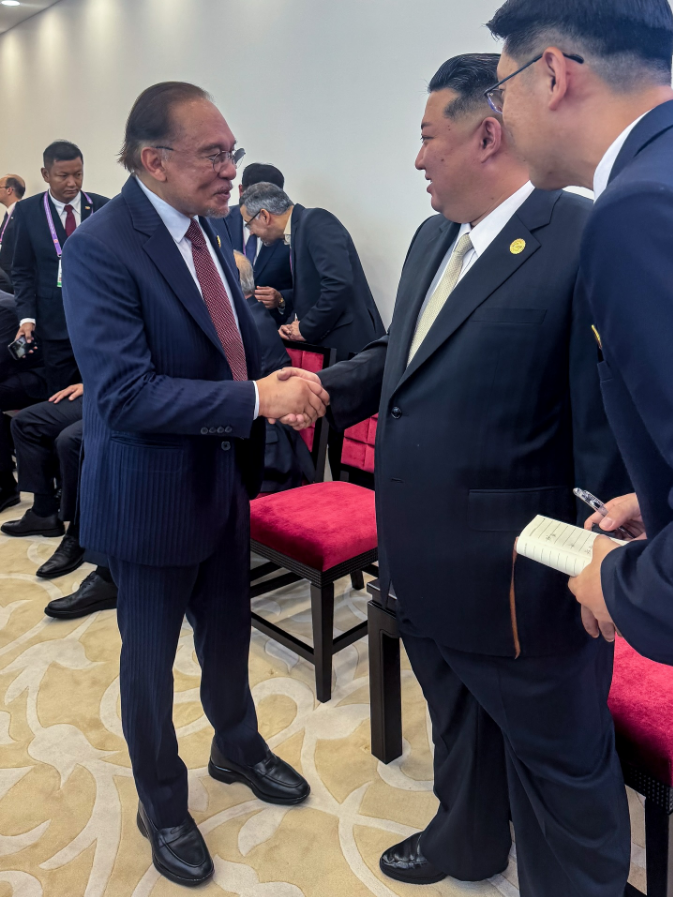
Here are four things you need to know about the encounter and Anwar's visit to China:
1. How are Malaysia's bilateral relations with North Korea?
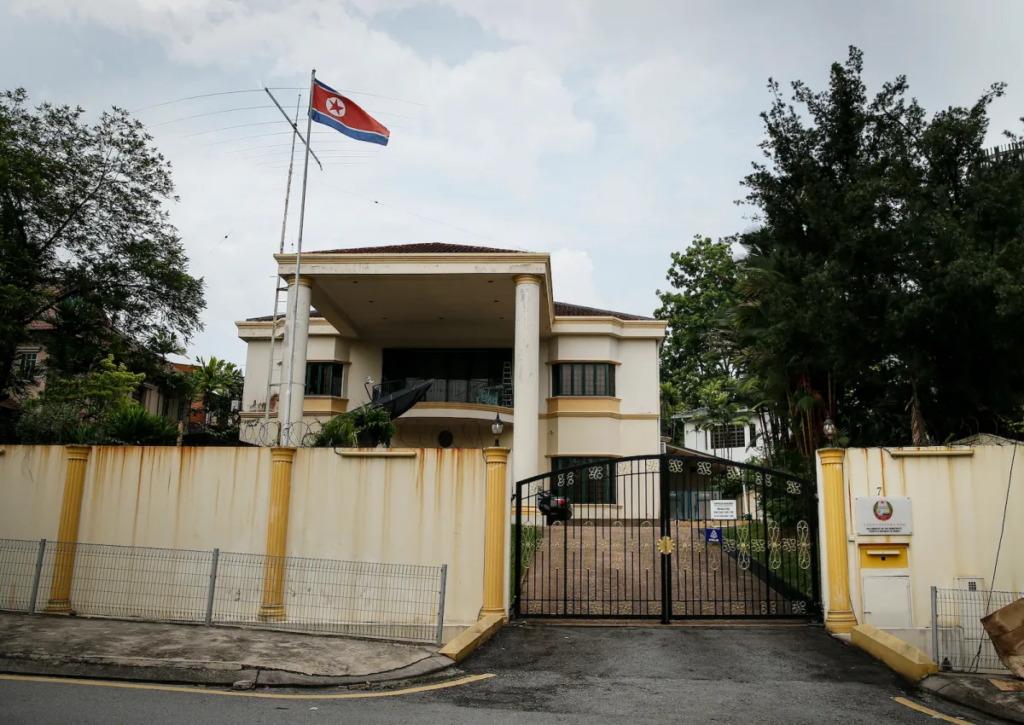
A photo of the North Korean Embassy in Kuala Lumpur in 2021.
Image via AFP/FL Wong via Asia TimesMalaysia and North Korea established diplomatic relations in June 1973, during a period when Pyongyang was expanding its international outreach.
In the early years, the two countries engaged in friendly table tennis and football matches.
By 1975, trade negotiations had begun, leading to the first trade agreement in 1979, signed when Tun Dr Mahathir Mohamad was deputy prime minister and trade minister, reported the New Straits Times.
The relationship continued to grow. During North Korea's periods of famine and drought, Malaysia provided humanitarian aid in the form of medical supplies and food.
In 2003, North Korea opened its embassy in Malaysia, followed by Malaysia establishing its embassy in Pyongyang the next year.
By 2009, Malaysia became the first country whose citizens could travel to North Korea without a visa, reported Malaysiakini.
However, ties soured after the assassination of Kim Jong Nam, Kim's half-brother, at KLIA in 2017.
Relations broke down completely in 2021 when North Korea announced the severance of diplomatic ties after a Malaysian court allowed a North Korean businessman in Kuala Lumpur to be extradited to the US on money laundering charges.
In response, the Malaysian government expressed regret, stating, "Malaysia had always considered the Democratic People's Republic of Korea (DPRK) as a close partner since the establishment of diplomatic relations in 1973. Malaysia was among the earliest to have done so, and continued to support the DPRK during their difficult times."
2. Anwar is the first Malaysian prime minister to meet the North Korean supreme leader since ties were cut
His meeting with Kim yesterday was the first between the two countries' top leaders since 2019, when Dr Mahathir met North Korea's second-in-command, Choe Ryong-hae, in Azerbaijan to discuss ways of normalising relations.
3. Why was Anwar in China?
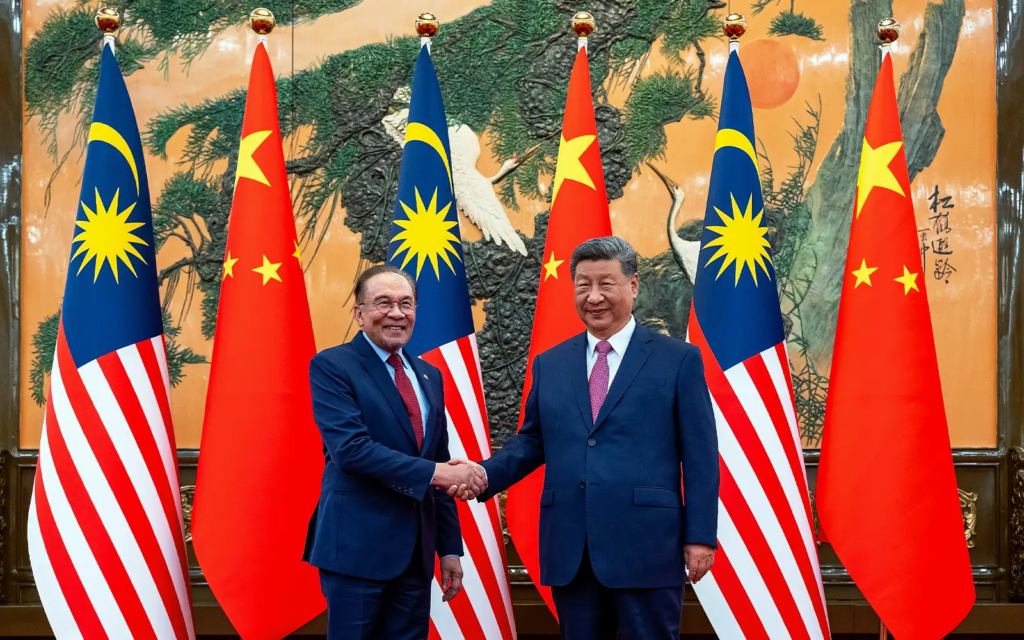
Anwar was on a four-day working visit to China, departing immediately after the Hari Kebangsaan parade on Sunday morning, 31 August.
The visit, undertaken at the invitation of Chinese President Xi Jinping, included Anwar's participation in the Shanghai Cooperation Organisation (SCO) summit and the commemoration of the 80th anniversary of the victory in the Chinese People's War of Resistance Against Japanese Aggression and the World Anti-Fascist War.
According to Bernama, Anwar said Xi pledged his support for Malaysia's bid to become a full BRICS member.
"President Xi stated his full support for accelerating Malaysia's participation as a full member of BRICS.
"This is a great honour and a sign of support for our country to continue playing an important role on the world stage," the prime minister said yesterday.
Established in 2009, BRICS currently comprises 11 countries: Brazil, Russia, India, China, South Africa, Saudi Arabia, Egypt, the United Arab Emirates, Ethiopia, Indonesia, and Iran.
Malaysia became a partner country in the bloc late last year.
4. Which world leaders were also in China?
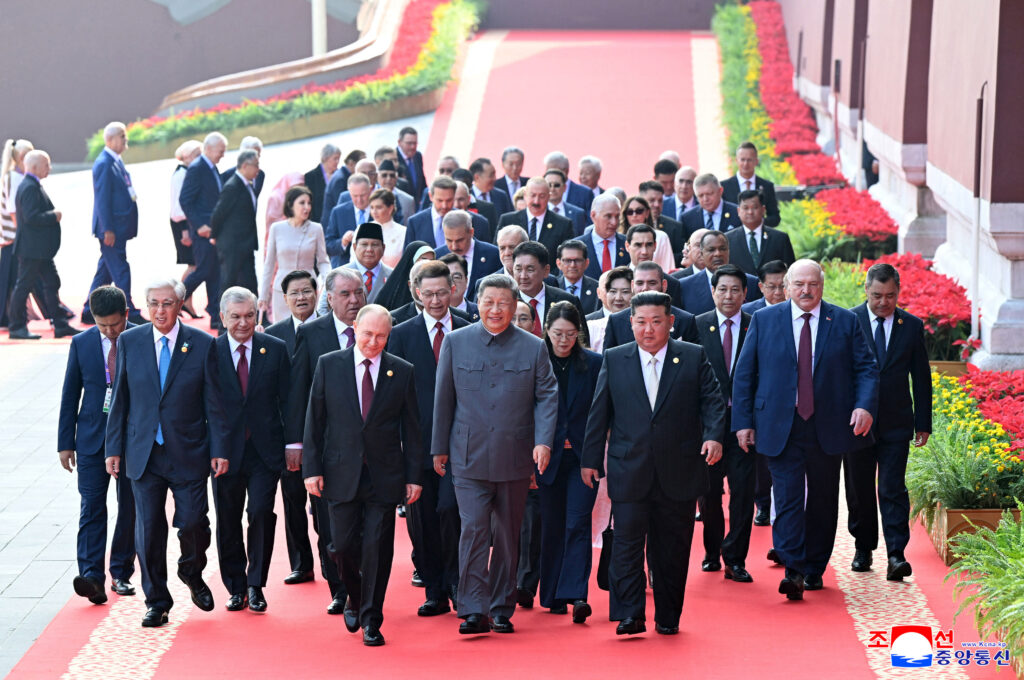
According to Reuters, 26 foreign heads of state or government attended the massive military parade in Beijing yesterday.
Russian President Vladimir Putin and Kim were the guests of honour, flanking Xi at the parade.
Other leaders attended included:
- Armenian Prime Minister Nikol Pashinyan
- Azerbaijani President Ilham Aliyev
- Belarusian President Alexander Lukashenko
- Cambodia's King Norodom Sihamoni
- Cuban President Miguel Diaz-Canel
- Vietnamese President Luong Cuong
- Indonesian President Prabowo Subianto
- Iranian President Masoud Pezeshkian
- Kazakhstan President Kassym-Jomart Tokayev
- Kyrgyzstan President Sadyr Japarov
- Laos President Thongloun Sisoulith
- Malaysian Prime Minister Datuk Seri Anwar Ibrahim
- Maldives President Mohamed Muizzu
- Mongolian President Ukhnaagiin Khurelsukh
- Myanmar military chief Min Aung Hlaing
- Nepali Prime Minister KP Sharma Oli
- Pakistan's Prime Minister Shehbaz Sharif
- Republic of the Congo President Denis Sassou Nguesso
- Serbian President Aleksandar Vucic
- Slovak Prime Minister Robert Fico
- Tajikistan President Emomali Rahmon
- Turkmenistan President Serdar Berdymukhamedov
- Uzbekistan President Shavkat Mirziyoyev
- Zimbabwe's President Emmerson Mnangagwa
Indian Prime Minister Narendra Modi also travelled to Beijing for the SCO summit, though he departed on 1 September after what he described as a "productive" visit, reported The Hindu.
