


 Cover image via tinypic.com
In the last week or so, many Malaysian students have claimed that they are hungry and poor, and it all started with a note that went viral on social media
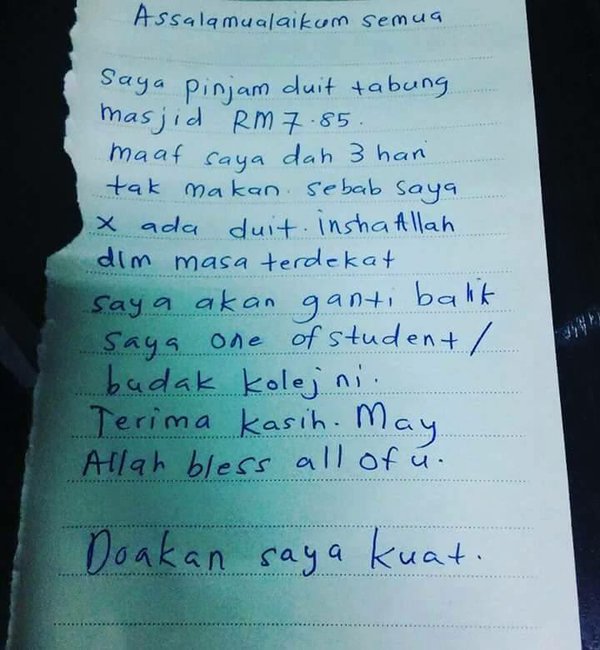
Image via Twitter

After that note went viral, many other students began to share their personal struggles of not having enough money for food…
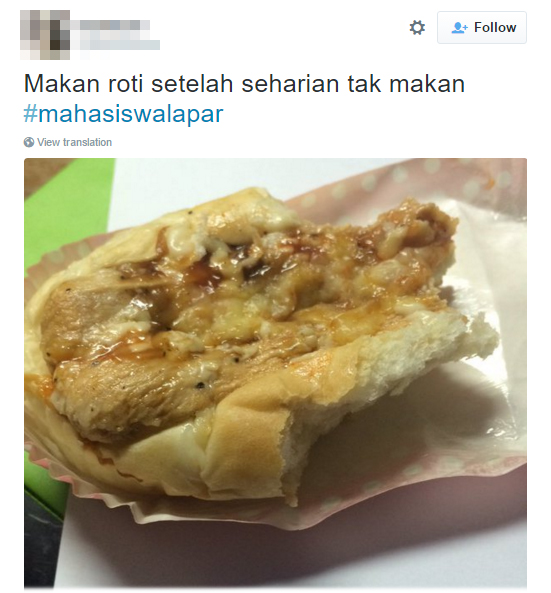
Image via Twitter
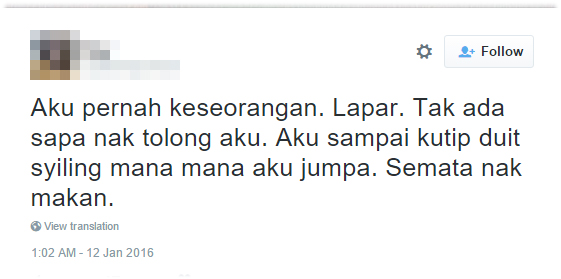
Image via Twitter
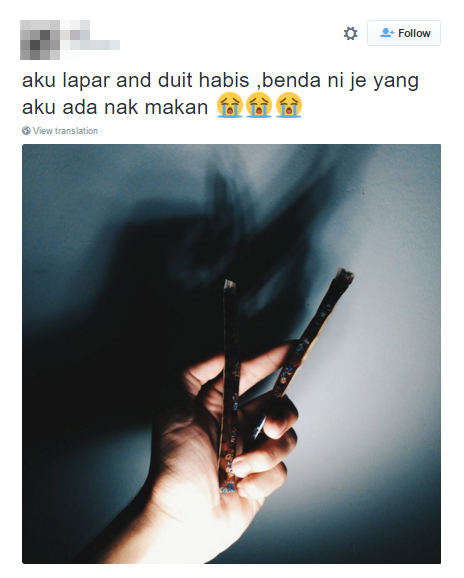
Image via Twitter
… including a University of Malaysia (UKM) student who claimed that she starved until her intestines punctured

Although the Education Ministry and universities have launched various financial aids to help students, it seems that they are still insufficient for these needy students
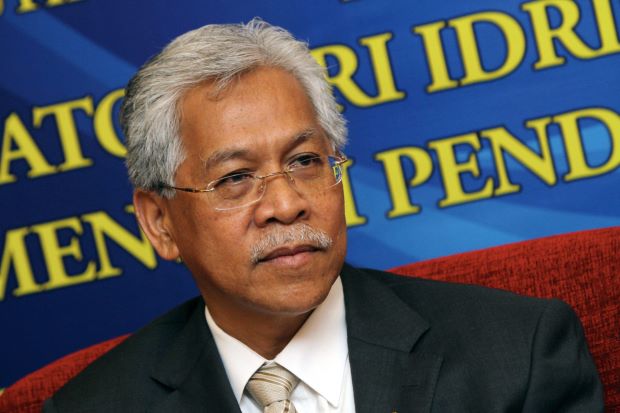
Students are now demanding for the Higher Education Ministry to decrease the cost of tertiary education because the student loans are not sufficient to support their living cost
Image via Free Malaysia Today
These students admit that there are ways to earn some extra income by taking part-time jobs, but it is difficult to hold a part-time job when they have tight schedules and transportation problems

Image via Virtual Malaysia
However, these complaints by students drew flak from the current generation of working adults, who rebuked them under the hashtag #mahasiswalapar (hungry students). Most of them shared how they had to juggle between a few jobs and studies to make ends meet.
On the other hand, many netizens are also beginning to question if the issue is a matter of priority, like this mother who shared her own story about her daughter who is studying at a public university:
"Every month, she received her scholarship money. On top of that, I gave her a monthly allowance, bought her personal care stuff, and even sent groceries to her doorstep!
**"Why then was she still saying that she didn't have enough money?" I asked myself.**
Then I noticed it. The weekly movies with friends. 'Lepak' sessions at Starbucks. Shopping extravaganzas. RM20 ice cream cravings. Mytaxi and GrabCar instead of LRT and public buses. Birthday presents for friends. The list went on," she wrote in an opinion column on [FMT](http://www.freemalaysiatoday.com/category/opinion/2016/01/13/you-cant-have-your-nasi-kosong-and-eat-it-too/).
However, many have argued that not many parents have the privilege of providing for their children, so university students don't even have any money to manage to begin with
A Universiti Malaysia Sabah (UMS) alumni told SAYS that she was very fortunate to have her parents support her financially during her university days as the PTPTN loan she received was just enough to cover her tuition fees.
However, not everyone is as fortunate as her.
Take for example, Nur, the UKM student who claimed that she injured herself from starvation. **Nur said that even when she was starving, she did not have the heart to ask her parents, a seamstress and a fisherman in Sandakan, for money. Instead, she read the Quran to soothe her hunger.**
Image via Clydefitchreport
It could be out of desperation that these students are now asking for free education, seeing that they cannot afford it anymore. Nonetheless, it is important to ask if this response is actually a symptom of the 'handout mentality' among Malaysians.

**According to Higher Education Ministry Secretary-General Datuk Seri Zaini Ujang, the government are subsidizing a minimum amount of RM16,000 for each student for their studies in public universities.**
Yet, these students are demanding for further discounts for their tuition fees or even better, free education for all.
In 2013, Deputy Education Minister Datuk Mary Yap said that free education will breed a generation that is "unappreciative" of the value of education.

Image via The Ant Daily
