


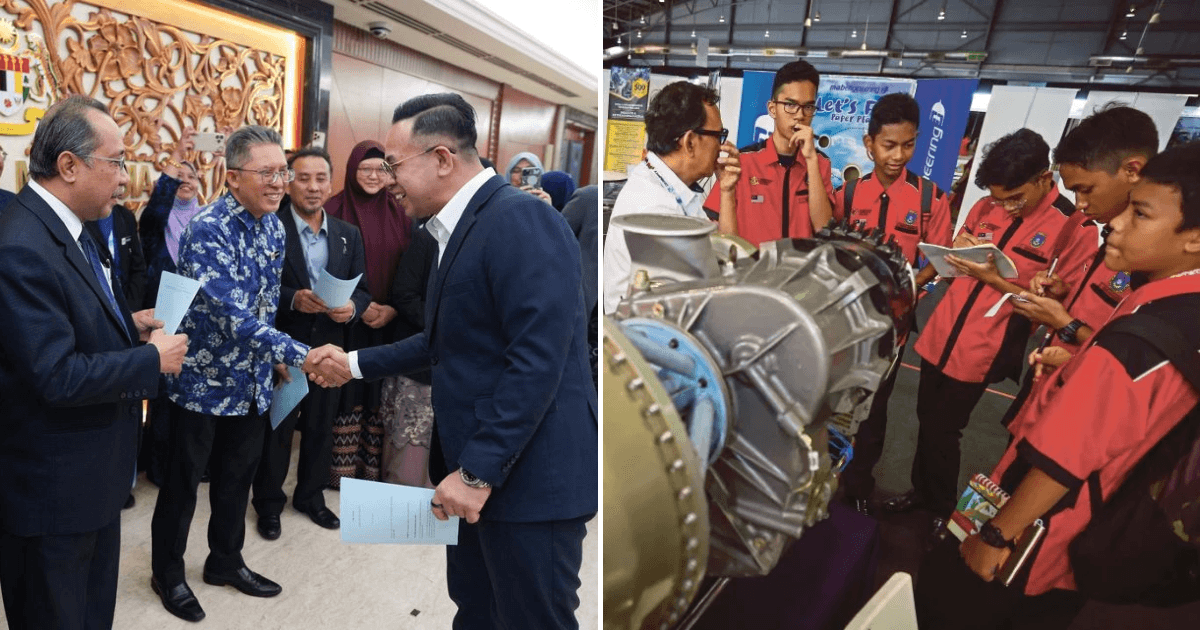
 Cover image via
Follow us on Instagram, TikTok, and WhatsApp for the latest stories and breaking news.
The Dewan Rakyat recently passed the National Skills Development (Amendment) Bill 2025 and the Skills Development Fund (Amendment) Bill 2025
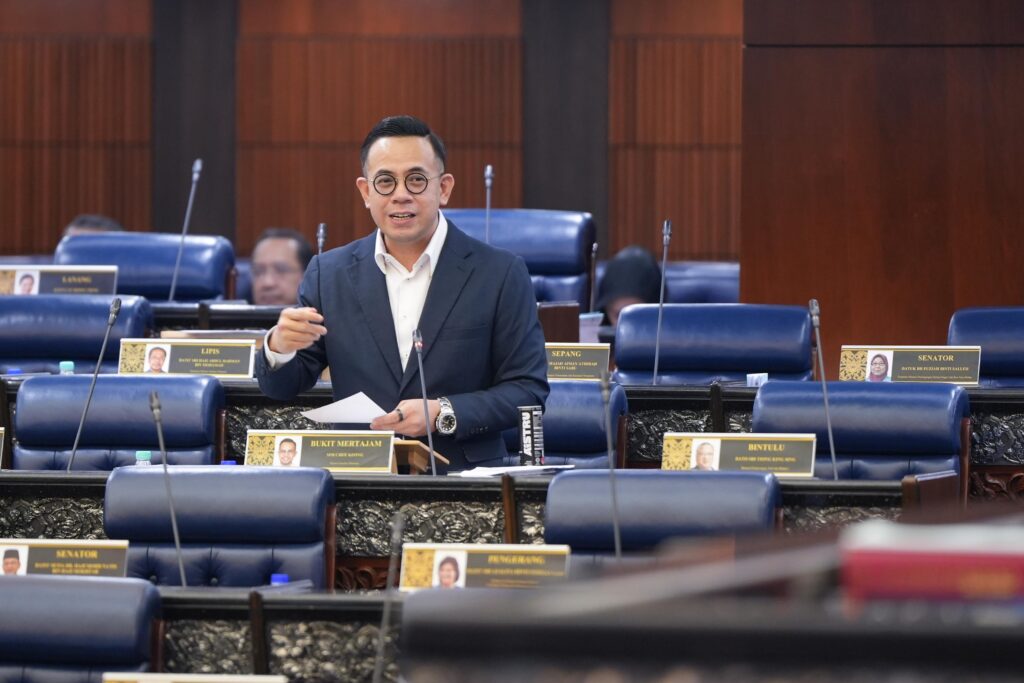
The amendments, tabled by Human Resources Minister Steven Sim Chee Keong, reflected the government's commitment to ensuring Malaysia's skilled workforce is fully prepared for a rapidly evolving future.
For nearly two decades, the National Skills Development Act 2006 (Act 652) served as the backbone of Malaysia's TVET ecosystem. But with industries now shaped by AI and automation, the framework has been in need of a major refresh.
The amendments introduce three specialist national certifications
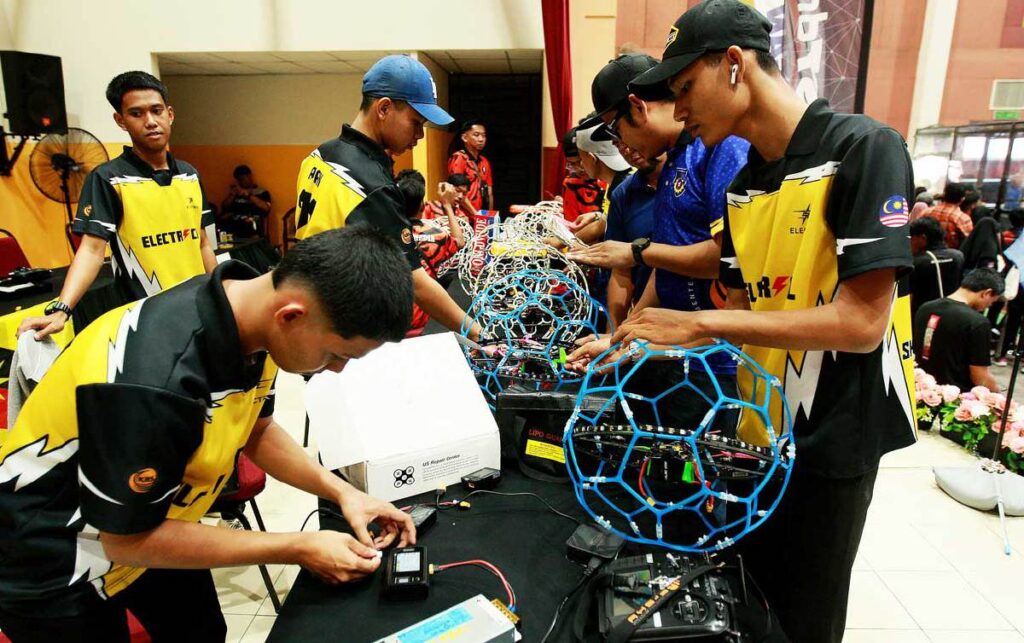
These certifications are for Pakar Kemahiran (Skills Specialist), Pakar Kemahiran Kanan (Senior Skills Specialist), and Perunding Kemahiran (Skills Consultant).
According to Sim, this recognises the extensive experience and expertise of local workers, on par with Malaysia's standards of skill and craftsmanship.
This also helps elevate them to a higher platform in line with the government's aspirations to develop a world-class workforce.
The National Skills Development Council (MPKK) has also expanded its membership
MPKK now includes these agencies:
- Rural and Regional Development Ministry
- Women, Family & Community Development Ministry
- Investment, Trade and Industry Ministry
- Malaysian Board of Technologists.
This broader representation ensures that the country's TVET direction is guided by diverse expertise, making the policymaking process more inclusive and grounded.
To stay ahead in emerging sectors, the Department of Skills Development (JPK) has been empowered to recognise programmes outside the National Occupational Skills Standard (NOSS)
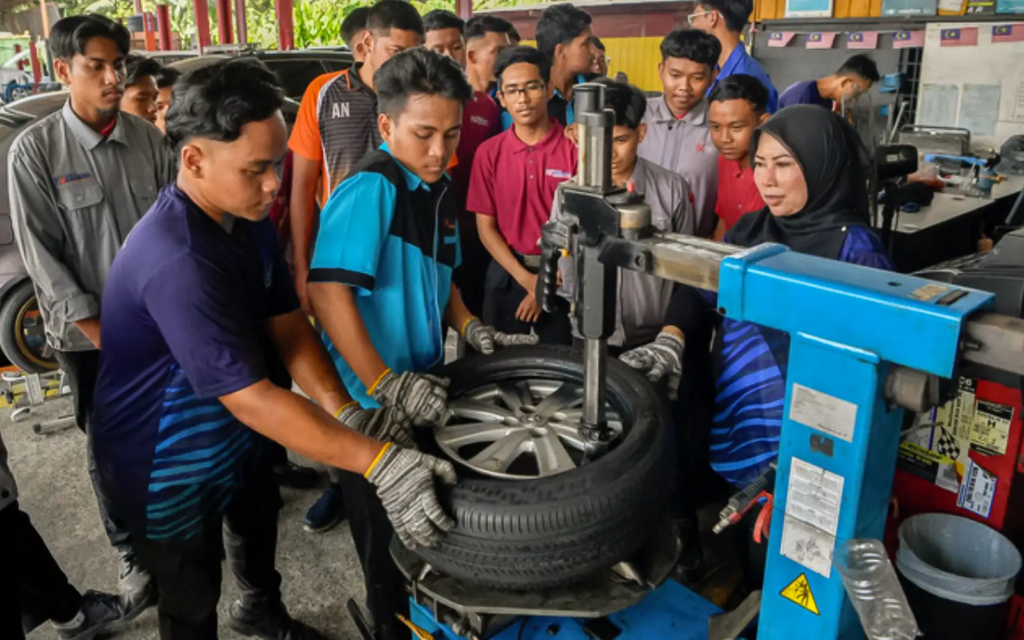
This is especially beneficial for frontier technologies such as AI, automation, and semiconductors. These programmes can now be financed by the Skills Development Fund Corporation (PTPK), giving more opportunities for Malaysians to upskill in other fields.
Accreditation validity has also been extended up to six years, instead of the previous three-year cycle. The updated structure gives training providers more stability while maintaining strict quality control.
Another highlight is the introduction of the Sijil Kemahiran Modular Malaysia (SKMM)
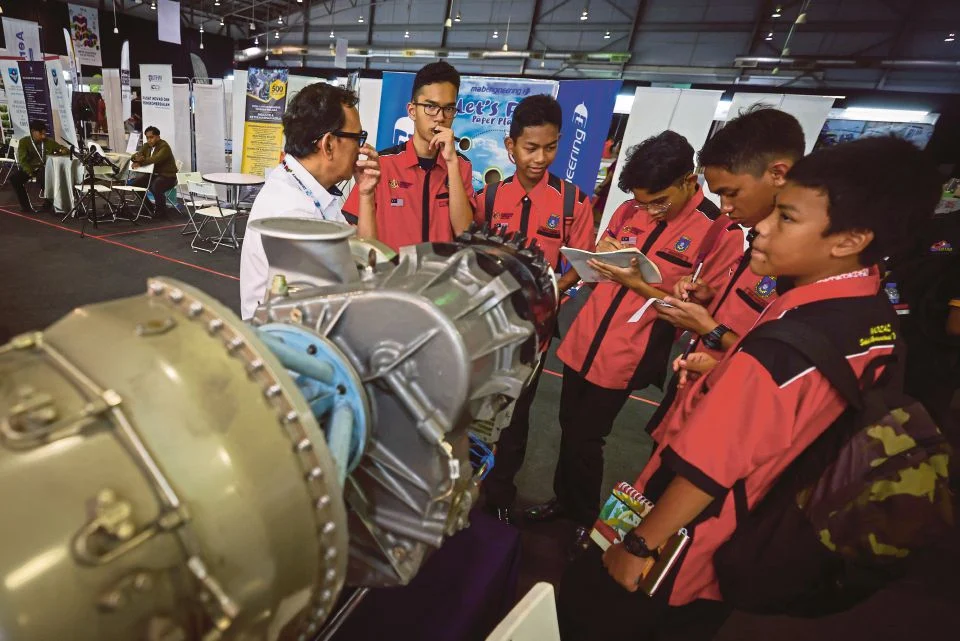
Created for modern learners, SKMM offers a flexible pathway through modular courses and micro-credentials.
Whether its workers looking to upskill, youths entering the job market, or adults planning a career switch, the programme allows Malaysians to build targeted competencies at a lower cost and at their own pace.
Sim emphasised that the amendments are not merely procedural: they represent the evolution of the TVET ecosystem
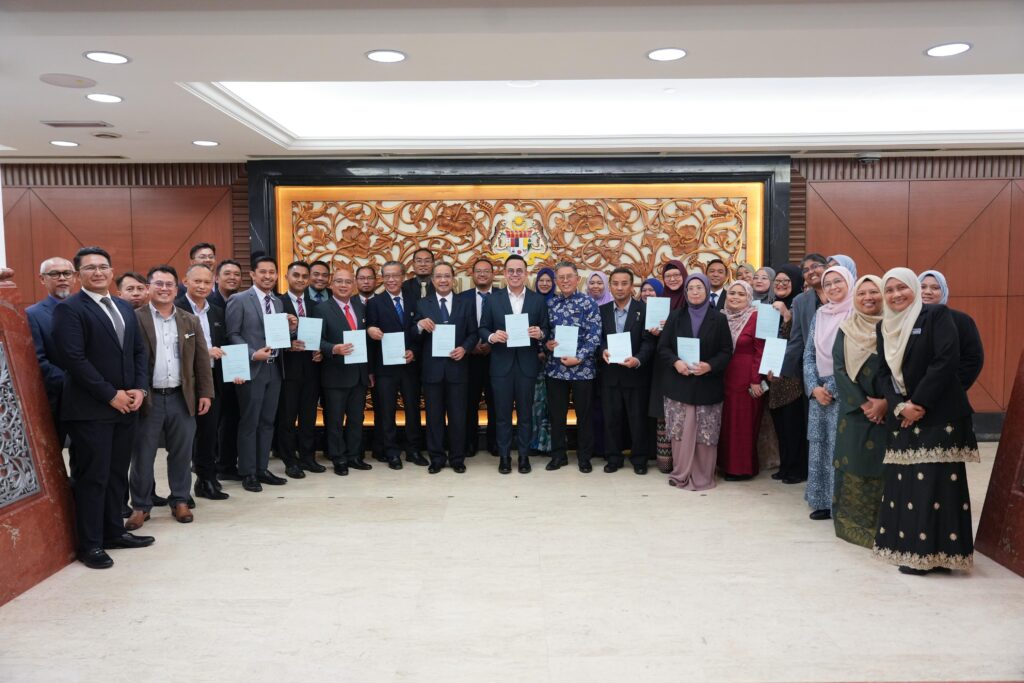
The strengthened legal framework aims to support social mobility, recognise real-world expertise, and ensure that Malaysian workers remain competitive as global industries are advancing.
With this transformation, KESUMA and JPK have reaffirmed their mission to position TVET as a mainstream pillar of Malaysia's education landscape.
