


 Cover image via
Follow us on Instagram, TikTok, and WhatsApp for the latest stories and breaking news.
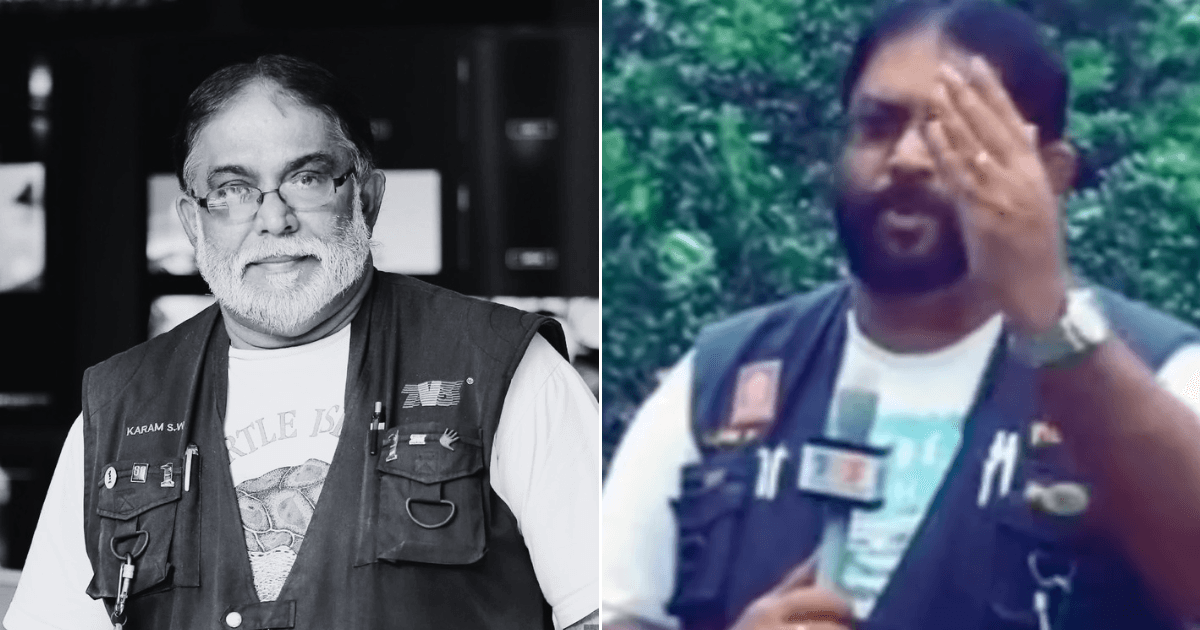
Malaysia lost a titan of journalism. Datuk Karam Singh Walia, the man who spent over two decades "shaking and shuddering" the nation with his fearless reporting on the environment, died today, 6 April, at the age of 67.
Known for his iconic use of Malay pantun and his relentless pursuit of environmental justice, Karam was considered a hero for the environment.
Born in Teluk Intan, Perak, to a Sikh family in 1959, Karam was with TV3 from 1995 until 2014. According to the New Straits Times, he reportedly died due to health issues in his home in Klang at 3.30am.
Here are 7 facts about his life and the incredible legacy he leaves behind.

1. He was an "accidental journalist" who started as a factory worker and an academic
In an interview with Sri Saheb Production, Karam revealed that did not actually set out to be a media icon.
He originally worked in a factory and then in the academic field. His shift into journalism was sparked by a chronic dengue outbreak in his neighbourhood that was being ignored by local authorities.
When a council official reportedly challenged him to "do something about it," he did exactly that by joining TV3 to ensure the voices of the people were heard.
2. He was once chased by machete-wielding attackers in Cameron Highlands
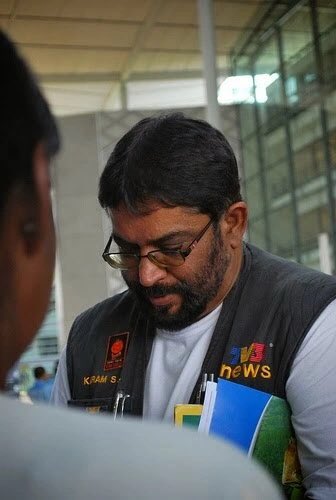
Investigative journalism in the early 2000s was dangerous work. While exposing massive illegal land clearing in Brinchang, Cameron Highlands, Karam and his crew were reportedly chased by several men armed with parang (machetes).
He had to seek refuge in a local police station to stay safe, but the incident never stopped him from returning to the field.

3. He won the "Best Environmental Journalist" award four years in a row
Karam's dedication to the environment earned him the Malaysian Press Institute (MPI) award for Best Environmental Television Journalist for four consecutive years — from 2004 to 2007.
To this day, he is considered the gold standard for environmental reporting in Malaysia.

4. His signature "Peribahasa" style was a tool for the people
While many remember him for his deep voice and sharp metaphors, his use of Malay proverbs was not just for show. He used pantun and peribahasa to make complex environmental issues understandable and relatable to the "orang kampung."
He believed that if the common person understood the damage being done to the land, they would find the strength to fight for it.
5. He often did not have dinner until 2am due to work
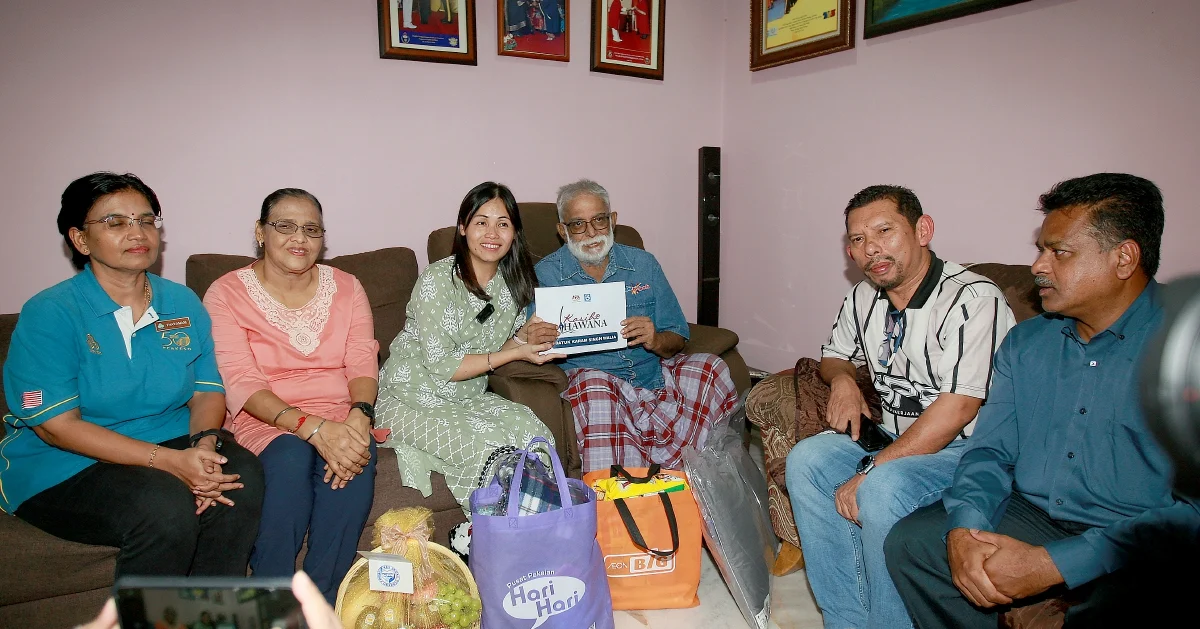
In a candid interview with The Sun, later in life, Karam admitted that his career required immense personal sacrifice. He would often arrive home in the middle of the night, having his dinner at 2am.
He lamented that he missed seeing much of his three children's early years because he was always "on the hunt" for the next big story.

6. He made a surprise cameo in a local comedy film
In 2010, he made a special appearance in the Malaysian comedy film Kecoh Betul.
Stepping away from his serious news persona, he played the role of a landlord, showing a lighter side that many viewers rarely saw on the 8pm news.
7. His final advice to journalists: "Don't chase popularity"
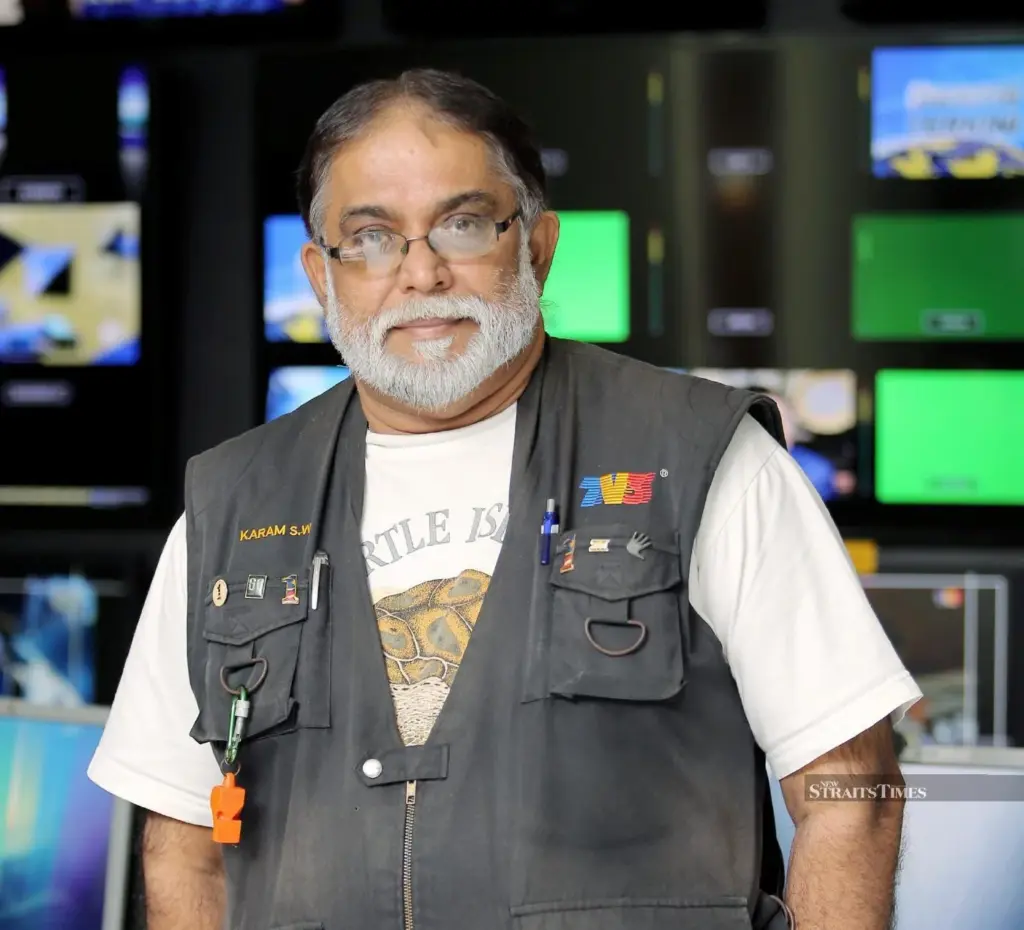
Even after his retirement from Media Prima in 2014, Karam remained a mentor to many. His parting advice to the new generation of media practitioners was simple but profound:
"Don't chase popularity… be the main fighters for the people's problems," said Karam to Harian Metro.
Rest in peace, Datuk Karam Singh Walia. You fought the good fight.
