 Cover image via
Follow us on Instagram, TikTok, and WhatsApp for the latest stories and breaking news.
2026 is shaping up to be a year of major changes in Malaysia
From digital safety and environmental rules to tax reforms and public hygiene, new laws and regulations are set to affect multiple aspects of daily life.
They will impact everything from how children use social media to how businesses invoice customers, what you pay in taxes, and how your safety is ensured.
Here's a look at what's coming and how it might affect you.
1. Digital and Online Safety regulations
Online Safety Act 2025
The Online Safety Act, passed in 2024 and gazetted earlier this year, will come into force at the start of 2026. It places legal obligations on application service providers and social media companies to address harmful content such as cyberbullying, scams and child exploitation.
According to Datuk Seri Azalina Othman Said, the Minister in the Prime Minister's Department (Law and Institutional Reform), the Act also provides for an online safety committee to guide enforcement.
Malaysian users, especially minors, can expect platforms to enforce stricter content moderation. Platforms face new legal accountability for failing to remove harmful material.
Under‑16 social media ban
Malaysia has announced plans to ban social media accounts for children under 16 as part of broader efforts to protect young Malaysians online.
This mirrors policies in countries such as Australia and will require platforms to verify users' ages using electronic know-your-customer (eKYC) checks.
Parents will need to ensure children comply with the new legal age limit. Platforms must implement age‑verification mechanisms, likely using MyKad or MyDigital ID. Teens under 16 could be prevented from registering new accounts.
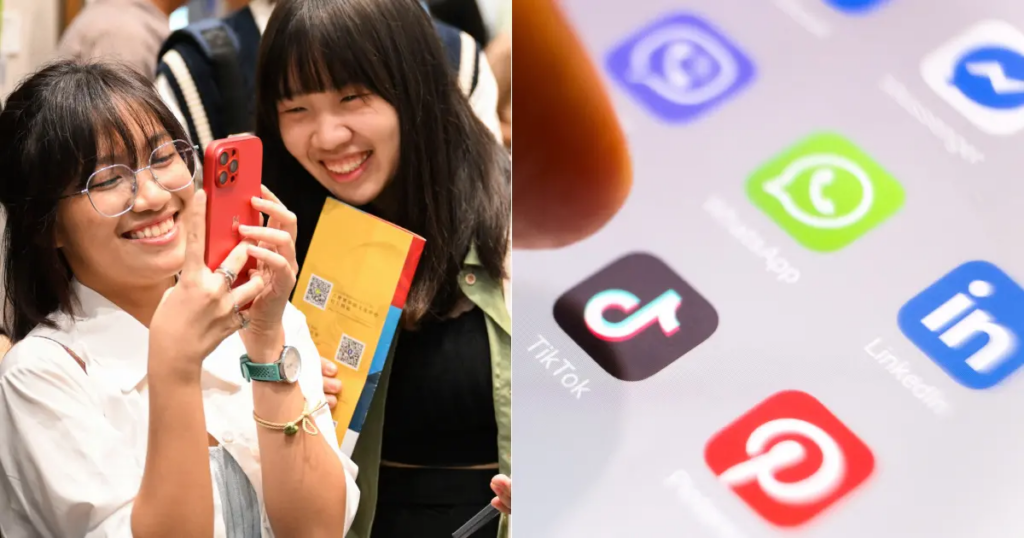
Additionally, social media platforms such as TikTok, Instagram, Facebook, WhatsApp, and Telegram with more than eight million users must hold an ASP(C) licence or face fines up to RM500,000 if unlicensed, which could influence platform availability and content moderation.
2. Taxation and business regulations
E‑invoicing rollout
E‑invoicing will be implemented in stages: companies with revenue between RM1 million and RM5 million must comply by 1 January 2026, and those between RM500,000 and RM1 million follow by 1 July 2026.
Businesses with less than RM500,000 in revenue are currently exempted.
Larger SMEs must comply with government digital invoice reporting, which could require accounting upgrades. Smaller businesses under RM500,000 are not yet required to use e‑invoicing.
Personal and corporate tax changes
Stamp duty on residential property for foreigners will double, rising from 4% to 8%.
There will also be a 2% tax on Limited Liability Partnership (LLP) profit distributions above RM100,000.
The stamp duty exemption threshold for employment contracts will be increased from RM300 to RM3,000 monthly.
Meanwhile, Malaysians can enjoy new personal reliefs: RM1,000 for local tourism expenses under Visit Malaysia 2026, RM3,000 for childcare, including after‑school transit for children up to 12, and RM2,500 for CCTV installations and household waste grinders.
Under these changes, travellers and homeowners, especially foreign buyers of residential property, may face higher costs. Small partnerships could be subject to a new tax, and families benefit from expanded reliefs that lower their taxable income.
Vehicle tax exemption rule
Budget 2026 introduced a tax exemption for vehicles priced RM300,000 and below, limiting previous exemptions that luxury car buyers exploited.
Buyers of affordable cars can save on taxes; buyers of luxury models may see higher costs.
3. Transport and public safety
Driver summons and Kejara 2.0 system
Traffic fine discounts will be automated starting January 2026. Early payment saves more, with a 50% discount available within the first 15 days; after 30 days, the full price applies.
Demerit points will be applied immediately when summonses are issued.
Drivers can no longer rely on sporadic "discount periods" and must pay attention to deadlines, as delays may result in full fines or blacklisting for repeated offences.
Bus electrical safety certification
All registered buses must comply with new internal wiring safety requirements to operate, starting January next year.
This aims to ensure safer public buses; operators must invest in compliance, which could affect service costs.
4. Public hygiene and environment
Littering community service and fines
Amended waste management laws permit a RM2,000 fine and up to 12 hours of community service, such as washing public toilets or sweeping streets, for littering offenders, who must also wear a recognisable "vest of shame".
Heavier penalties ranging from RM1,000 to RM100,000 for illegal dumping may apply in Selangor under the Solid Waste and Public Cleansing Management Act 2007.
BMW toilet standard for businesses
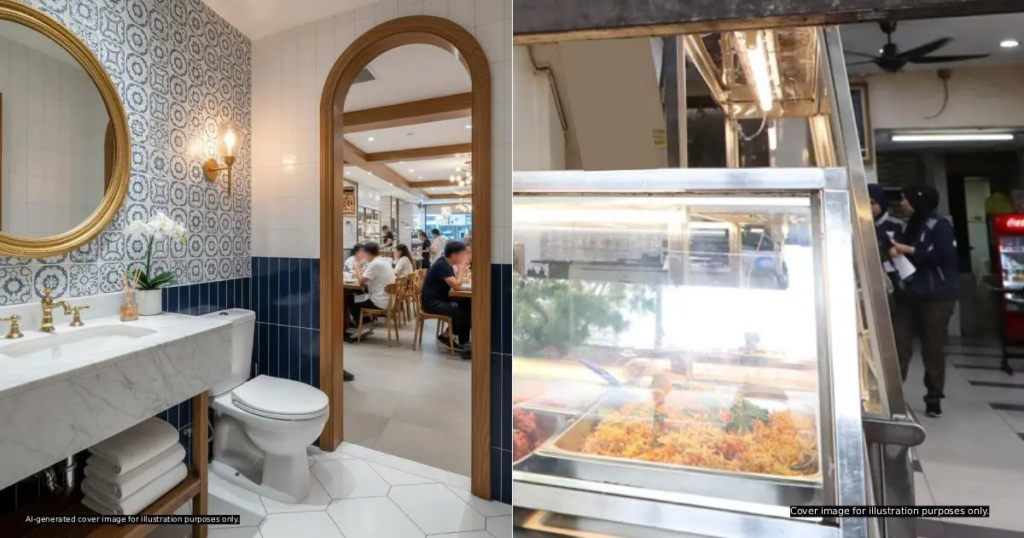
Starting January 2026, operators of food premises in 20 city areas will be barred from renewing their business licences if their toilets fail to meet the BMW standard.
The BMW standard is bersih (clean), menawan (attractive), and wangi (pleasant-smelling).
Restaurants, cafés, and retail outlets must upgrade toilets or risk enforcement actions.