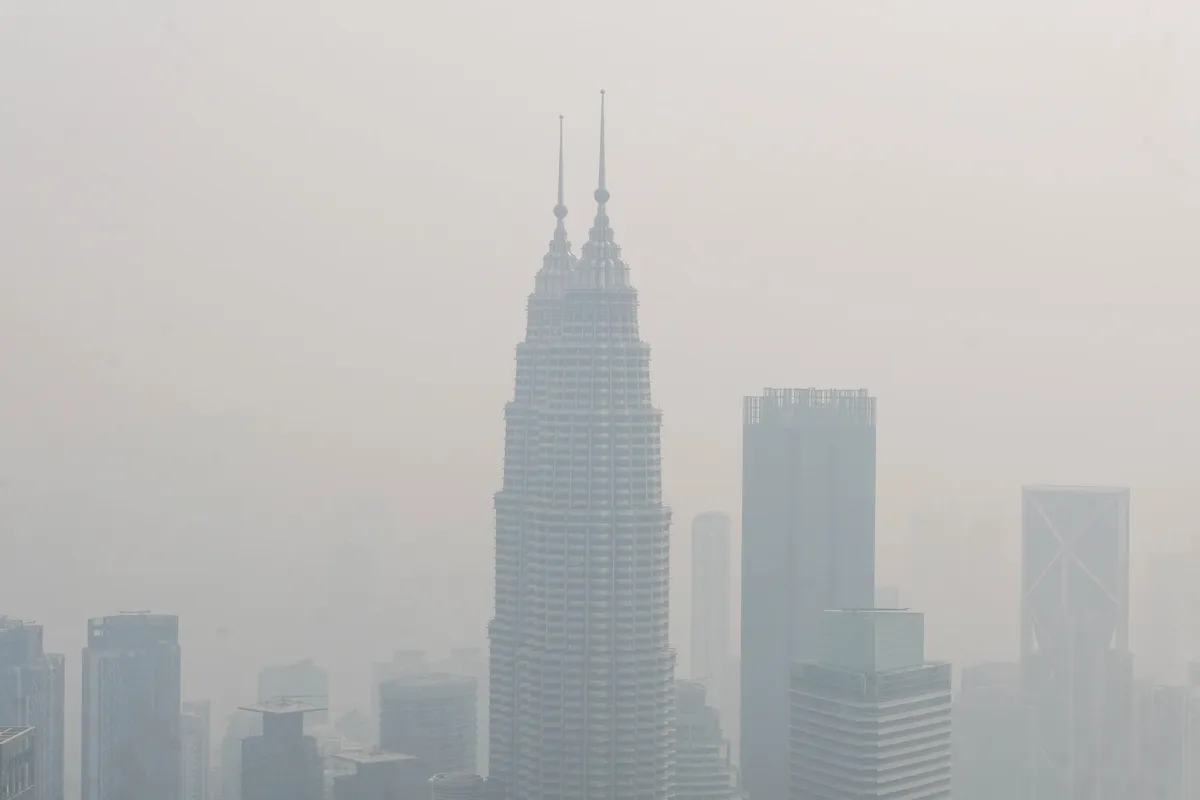
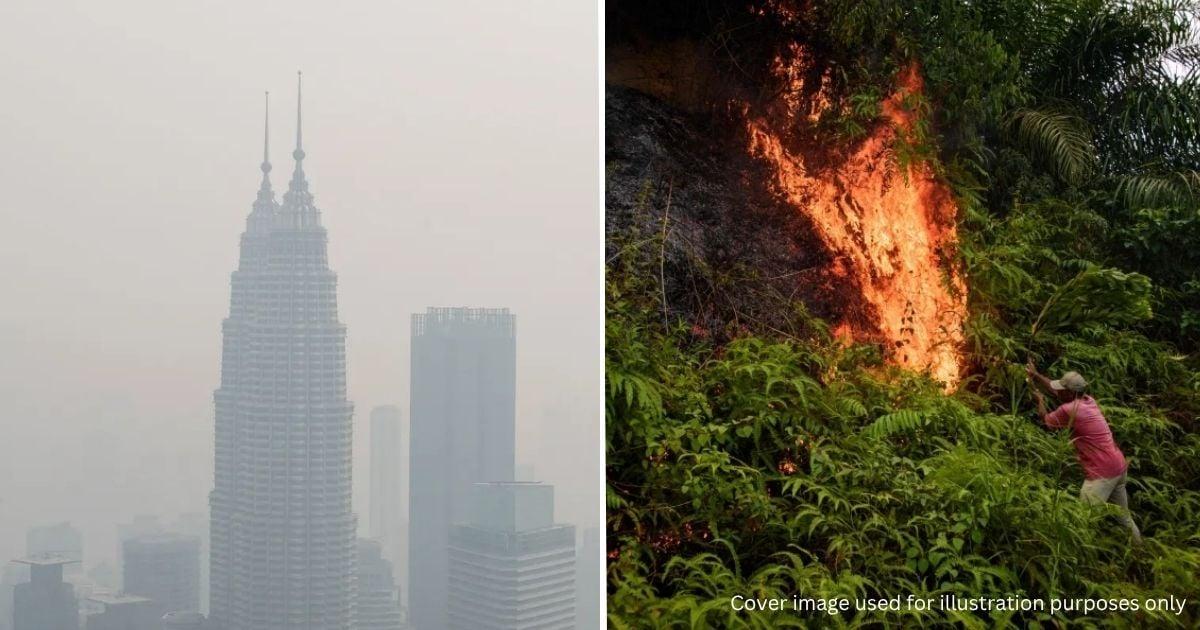
 Cover image via
Follow us on Instagram, TikTok, and WhatsApp for the latest stories and breaking news.
The forecast for the 'Godzilla El Niño' has transitioned into a high-alert scenario for the region
Following a "perfect storm" warning issued on 7 May, meteorological data from the ASEAN Specialised Metereological Centre (ASMC) indicate that Melaka is positioned directly in the path of the upcoming haze season.
This climate phenomenon is expected to bring significant environmental challenges to the west coast of Peninsular Malaysia as the transition from a neutral phase accelerates.
While the region is currently in a 'neutral' phase in May, rising sea surface temperatures suggest a significantly warmer-than-usual dry season is already beginning to take hold
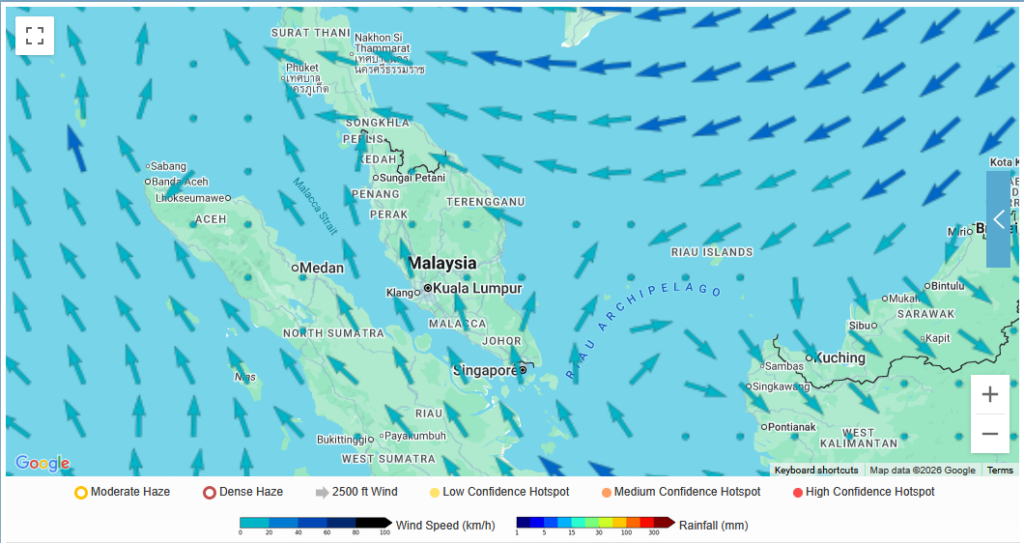
The situation is expected to escalate between June and July with the onset of the South-West Monsoon, according to the Long Range Weather Outlook report by Malaysian Meteorological Department (METMalaysia). This period is considered the "danger zone" because consistent winds from Sumatra and Kalimantan are likely to carry smoke directly toward the west coast of Malaysia.
By August, El Niño is projected to reach its peak "Godzilla" strength, potentially leading to prolonged droughts and high-intensity forest fires.
Due to its geographic location along the strait, Melaka is historically the first to be hit by a transboundary haze, and visibility levels could reach unhealthy ranges as early as mid-June.
The term "Godzilla" refers to a "Super El Niño" or an exceptionally strong cycle, and this year, the situation is exacerbated by a "geopolitical storm"
While it is not an official scientific term, it is often used by experts, including Singapore's Sustainability and Environment Minister, in a statement yesterday,7 May.
Due to ongoing conflicts in the Middle East, the price of fertilisers has surged, creating a dangerous economic incentive. Farmers and large plantations are increasingly likely to resort to "slash-and-burn" land clearing as a low-cost alternative to expensive fertilisers and machinery, which effectively increases the risk of widespread regional fires.
Critical statistics for 2026 highlight the severity of the upcoming season
By late March , over 800 hotspots were detected across Indonesia and Malaysia, marking the highest count for that period in seven years. Furthermore, firefighting agencies in regions such as Riau, Sumatra, have reportedly already exhausted their 2026 operational budgets due to early outbreaks, limiting their capacity to combat the projected peak in August.
A preview of these extreme conditions was recently seen in Bangkok, which experienced 18 consecutive days of dangerous heat, with temperatures reaching a staggering 52°C.
To mitigate the impact of the haze, Malaysians, especially those who stay in Melaka, are advised to take early precautions
It is recommended to secure N95 masks and air purifiers immediately, as prices typically spike when air quality deteriorates.
Residents should frequently monitor the ASMC Haze Map. If hotspots are visible in Sumatra and wind directions are pointing North-East toward the peninsula, windows and doors should be kept closed.
Finally, it is important to note that the smell of burning wood often reaches Melaka and Johor before the haze becomes visually apparent, serving as an early warning sign for the community.