


 Cover image via
Follow us on Instagram, TikTok, and WhatsApp for the latest stories and breaking news.
The global energy market is currently facing a massive shock as oil prices broke past the USD110 (RM434) mark on Monday morning, 9 March
The sudden spike was triggered by the deepening conflict in the Middle East, which has disrupted one of the world's most important shipping routes.
Brent crude, the global benchmark for oil pricing, surged 20% to USD111.04 (RM438). At the same time, West Texas Intermediate, the US benchmark, climbed even higher with a 22% increase.
Here are five key reasons behind the sharp price spike:
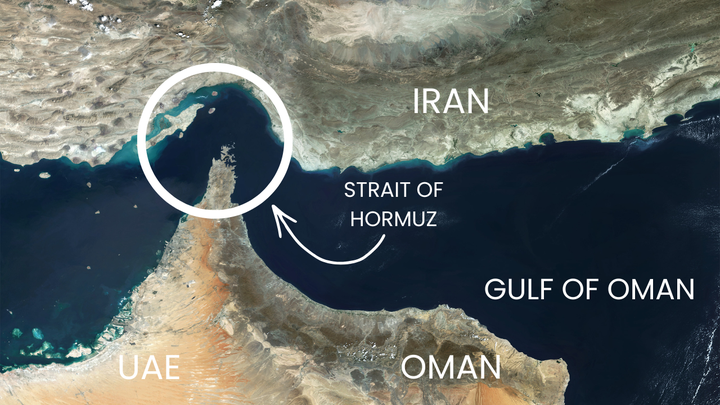
1. The main reason for this panic is the closure of the Strait of Hormuz
This narrow waterway is essentially the "artery" of the world's oil supply, as 20% of all global oil passes through it.
With the strait closed, tankers cannot move, and onshore oil storage tanks are quickly filling up because there is nowhere for the fuel to go.
2. Major oil-producing countries have begun intentionally cutting back on their oil production
This is because these countries can no longer distribute their oil effectively. Iraq, for instance, began shutting down production last week.
The situation escalated over the weekend when drones targeted the Shaybah oil field in Saudi Arabia.
Although Saudi forces destroyed the drones, the threat to energy facilities remains high. Saudi Arabia has also halted operations at its largest refinery, Ras Tanura, and is attempting to reroute its oil to different ports on the Red Sea to bypass the blocked shipping lanes, according to Bloomberg.
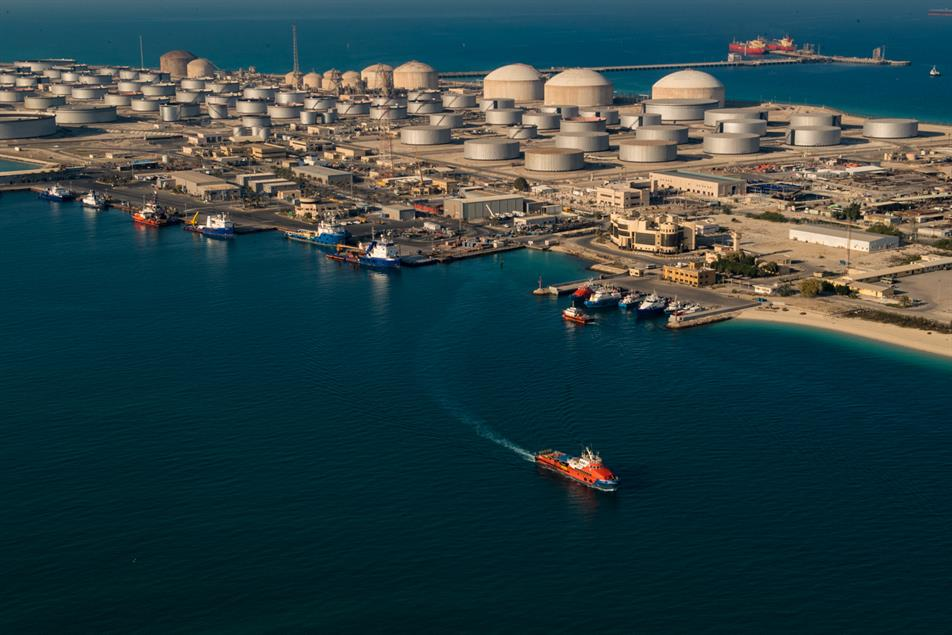
The Ras Tanura refinery.
Image via HSI3. The impact is being felt well beyond the Middle East
To safeguard its own supplies, the Chinese government has instructed major refineries to halt petrol and diesel exports.
Meanwhile, experts note that South Korea is considering imposing a cap on oil prices — something it hasn't done in 30 years.
4. In the professional trading market, spot oil prices have surged well above those of oil contracted for delivery in the coming months
This gap, known as backwardation, indicates that buyers are desperate to secure whatever fuel is available immediately.
A month ago, the price difference was only USD0.62 (RM2.45), but it has now surged to over USD8.24 (RM32.52).
5. For Malaysians, this news comes as a double-edged sword
On one hand, Malaysia exports crude oil, which means the government and local oil companies could see higher revenues. On the other hand, Malaysia still imports significant amounts of refined products, like the petrol and diesel we use in our cars.
When global prices rise this sharply, it puts pressure on our local economy. It could drive up transportation costs, making everyday items like groceries more expensive.
Experts warn that the USD100 (RM394) price point was just the starting line, and prices could climb much higher if the conflict between the US, Israel, and Iran continues to escalate.
