


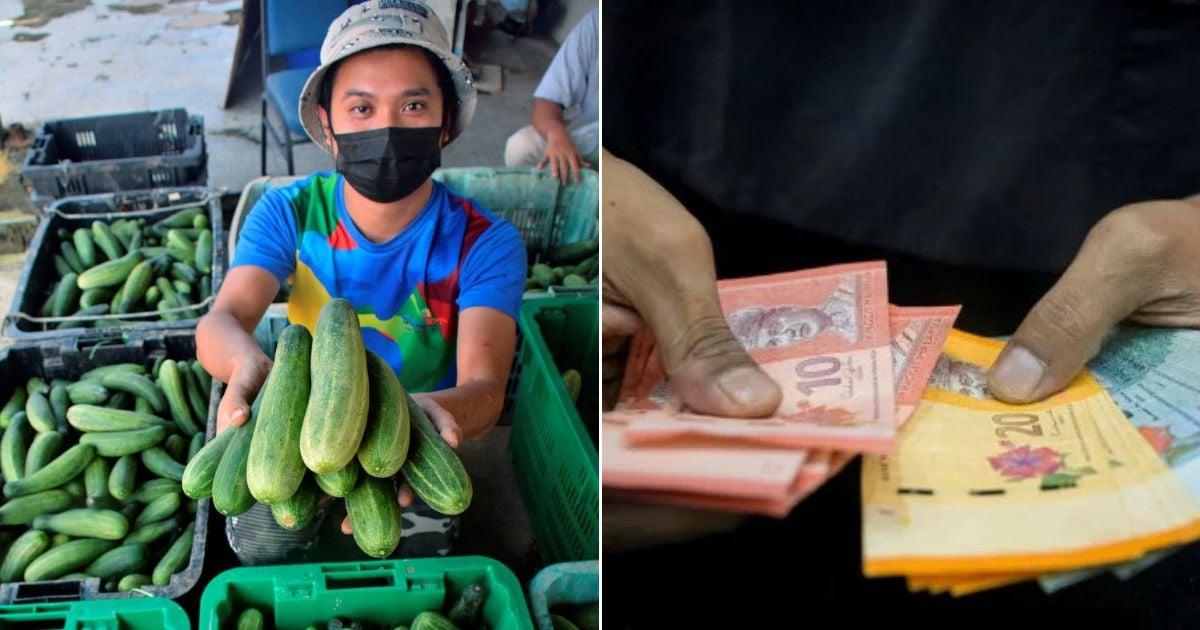
 Cover image via
Follow us on Instagram, TikTok, and WhatsApp for the latest stories and breaking news.
Food prices are expected to climb in the second half of 2026 due to rising energy and logistics costs
Agriculture Minister Datuk Seri Mohamad Sabu, also known as Mat Sabu, said the focus is now on aquaculture to ensure protein security.
According to the New Straits Times, he explained that the surge in oil prices is putting significant pressure on the supply chain.
This is particularly affecting the livestock and fisheries sectors, where costs for essentials such as grain corn and soya are fluctuating.
"We cannot afford to be complacent, especially with the rising costs of poultry feed ingredients such as grain corn and soya," Mohamad said.
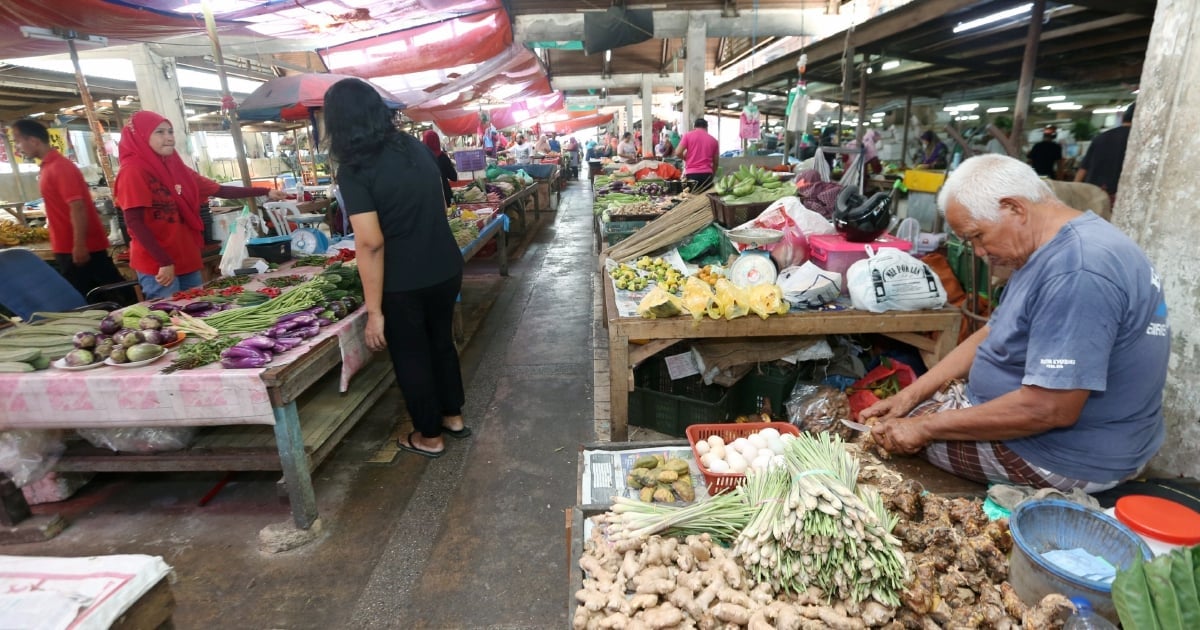
Malaysia currently relies heavily on imports from Brazil and Argentina for animal feed, while rice is sourced from Pakistan, India, and Bangladesh
While shipments are still arriving on time, Mohamad revealed that logistics costs are tracking alongside rising oil prices.
"There is no disruption in supply, but when oil prices rise, shipping costs inevitably follow," he added.
He said the same logic applies to fertilisers, as the energy crisis eventually ripples through the entire agricultural chain.

To keep our plates full, the ministry is pivoting its focus towards the aquaculture sector
Mohamad said the goal is to ensure a steady protein supply in case deep-sea fishing becomes too expensive for local fishermen to sustain.
He also confirmed that basic food supplies remain under control, with the country's rice stocks sufficient to last until the end of the year.
The Federal Agricultural Marketing Authority (FAMA) is also stepping in to address vegetable dumping issues in Cameron Highlands.
By managing market surpluses, they hope to prevent further losses for local farmers.
