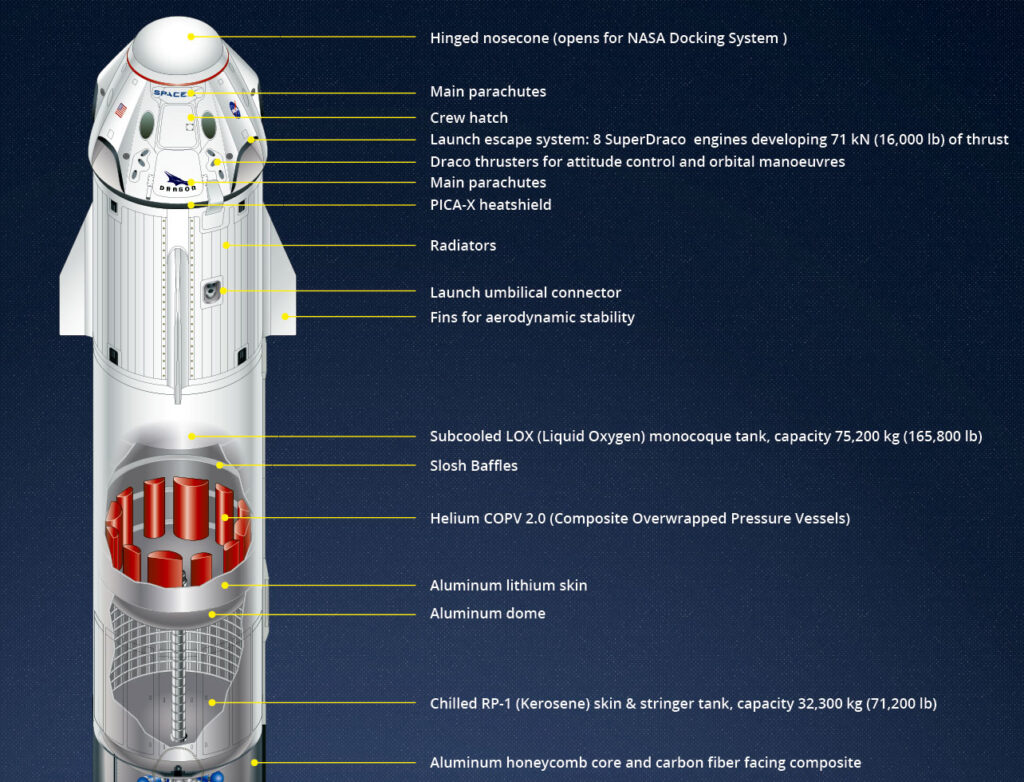
Cover image via
In 2016, during a routine "wet dress rehearsal" — a practice countdown where a rocket is fueled but not launched — the SpaceX Falcon 9 rocket unexpectedly exploded
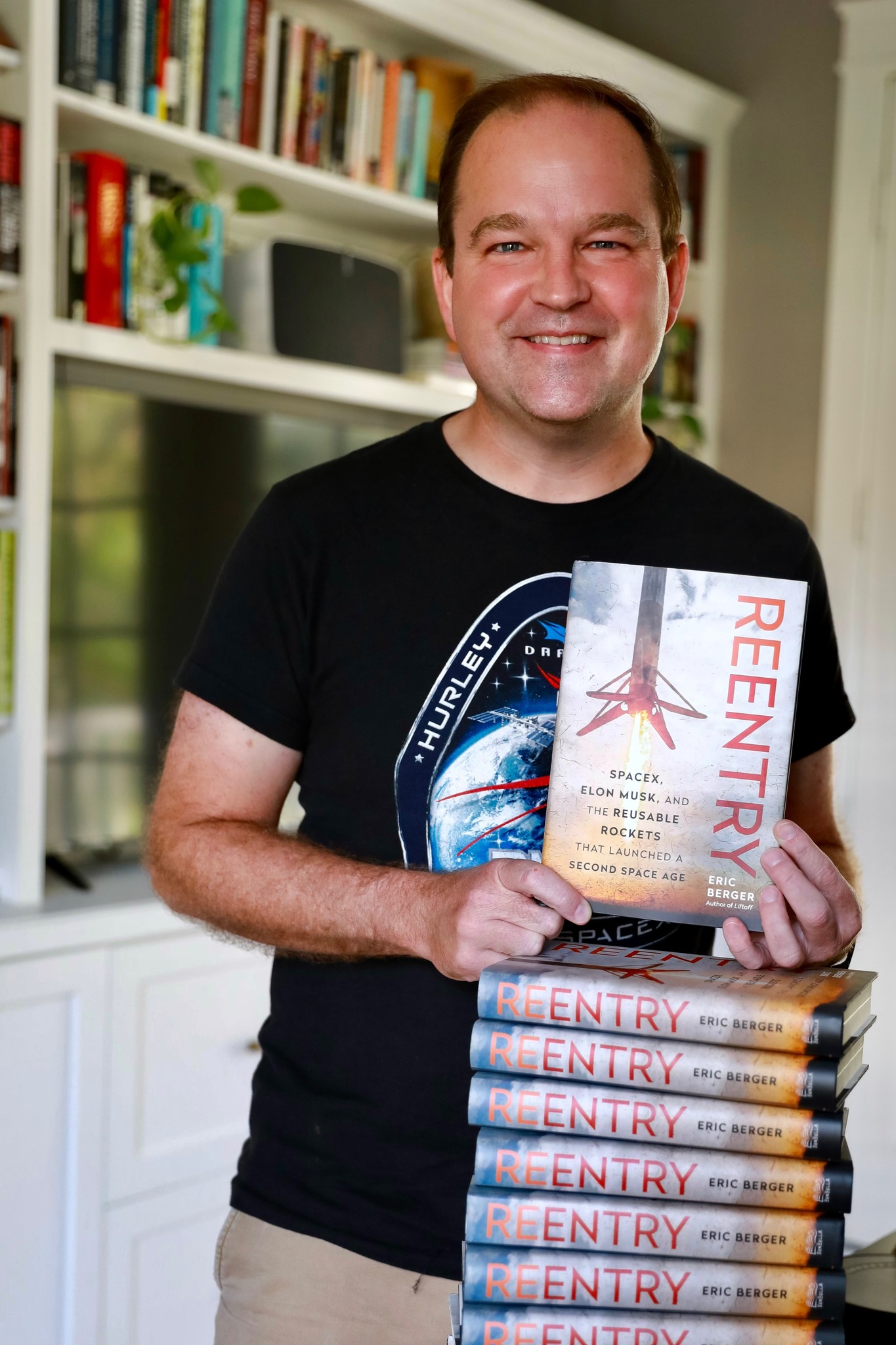
In his book, Reentry, space reporter Eric Berger delves into the details surrounding the 2016 explosion of the Falcon 9 rocket. The incident occurred on 1 September 2016 at the Cape Canaveral Air Force Station. The Falcon 9 was undergoing preparations for a standard static fire test when it suddenly erupted in flames, resulting in the destruction of its payload, the Amos-6 communications satellite.
Initially, the cause of the explosion was unclear, leading SpaceX engineers to explore various possibilities. One particularly unusual theory that emerged among the engineers was the idea was that a sniper might have fired at the rocket, somehow triggering the massive blast.
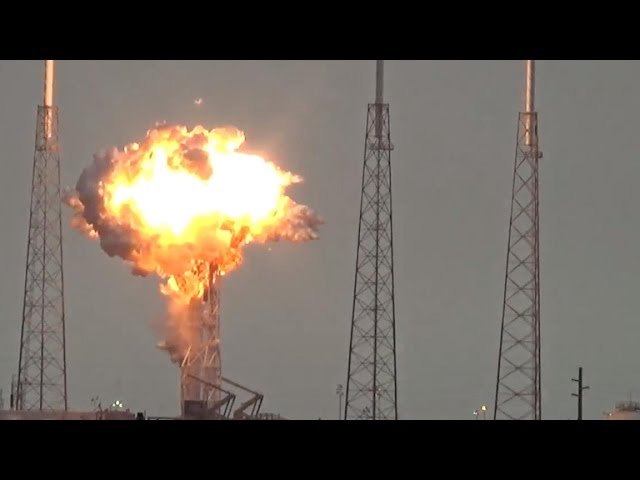
Image via CBS Evening News
Berger's recent disclosure of details, obtained through a Freedom of Information Act (FOIA) request, sheds new light on this rather extraordinary theory
In the aftermath of the Falcon 9 explosion, SpaceX was determined to find the cause. Interestingly, SpaceX founder Elon Musk was particularly intrigued by the idea of a sniper attack and instructed his team to investigate this possibility. This led SpaceX engineers to conduct tests, even firing at helium tanks to see if they could replicate the explosion.
Musk's suspicion even extended to SpaceX's competitor at the time, United Launch Alliance (ULA). Employees recounted to reporter Eric Berger that, under Musk's direction, they were asked to inspect the rooftop of a ULA building located about a mile from the launch site.
According to Berger, SpaceX pursued this sniper theory for approximately a month
However, the Federal Aviation Administration (FAA) eventually intervened, sending a letter to the company stating that their investigation found no evidence of a gunman's involvement.
The FAA's letter, obtained by Berger through a FOIA request, revealed that SpaceX had submitted video and audio evidence of the incident, along with their own analysis suggesting potential sabotage.
SpaceX even escalated the matter further by reporting their theory to the FBI's Tampa Field Office in Florida. The FBI conducted its own investigation and also found no evidence of foul play.
Ultimately, the true cause of the explosion was determined to be a technical issue
SpaceX engineers had loaded the rocket's pressurised tanks with super-chilled helium too quickly, which led to the catastrophic failure.
The timing of the explosion was particularly unfortunate for SpaceX. Back in 2016, the company's rivalry with ULA, which was launching significantly more rockets at the time, was extremely intense. Adding to the tension, Musk had even sued the US Air Force in April 2014, accusing them of unfair practices and favouring ULA in awarding launch contracts.