


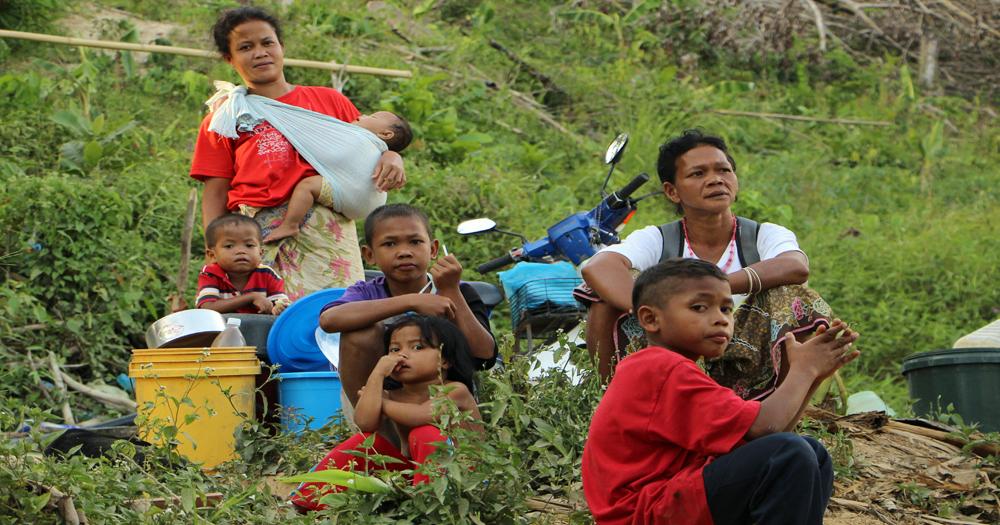
 Cover image via aljazeera.com
Stories of terribly underdeveloped areas in East Malaysia are becoming so common that most of us are left wondering about the unexplained gap in development in Sabah and Sarawak.
Compared to cities like Kuala Lumpur and Penang or even small towns in west Malaysia, living conditions in certain parts of Sabah and Sarawak still seems like it's stuck in the 20th century.
It is now 58 years after independence and we are just five years away from Vision 2020, but major parts of the country still remains divided and unnaturally undeveloped compared to the urban areas in Peninsular Malaysia.
While every other year or two, politicians start discussions and conversations on building yet another magnanimous tower or skyscraper in the country's capital, the number of people in East Malaysia that are surviving without basic necessities, including water and electricity supply are increasing.
Elections come and go every five years, more Malaysia plans and budgets are drawn with huge sums of allocation for the development of Sabah and Sarawak, but in reality, villages do not have water, electricity or paved roads, schools are located hours away from villages, and more ancestral lands are being taken away from the villagers, slowly but surely.
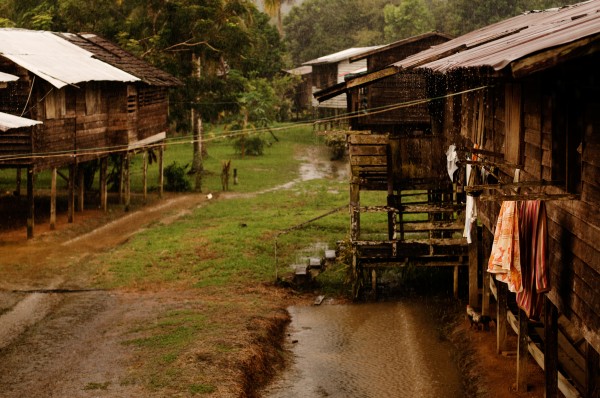
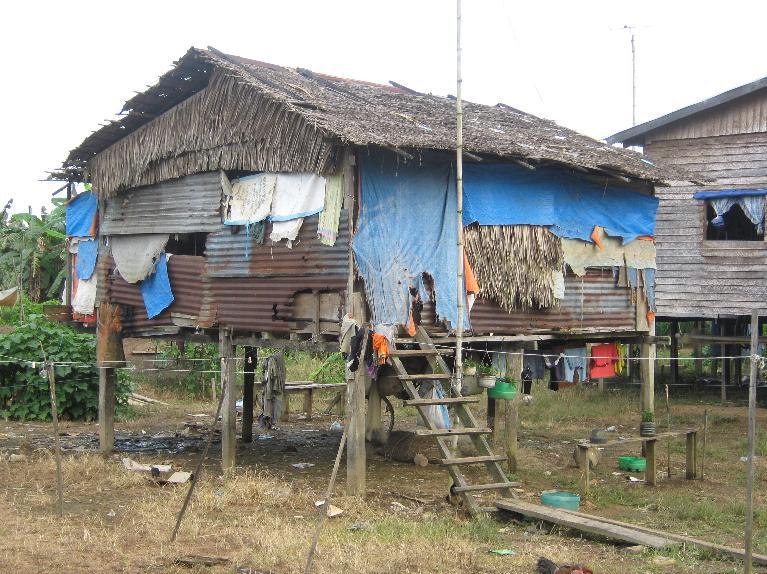
Disappointed with the lack of progress in their villages, Sarawak natives are turning into "anti-BN activists", as reported by The Malaysian Insider, yesterday, 3 November

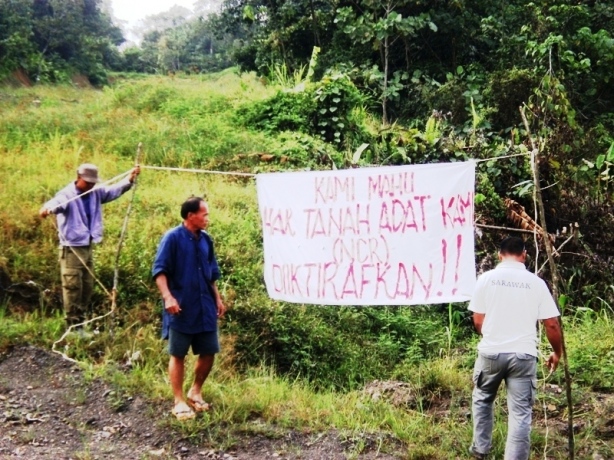
"Kami mahu hak tanah adat (NCR) diiktirafkan (We want our native customary rights (NCR) lands to be recognized)
Image via Hornbill Unleashed
Deemed as Barisan Nasional's stronghold and "safe deposit", Sabahans and Sarawakians contributed to many of BN's election victories with their unwavering support and commitment in the past
Election campaigns are usually filled with many promises of new roads, fresh water supply, electricity, funds to develop lands for farming, among other development ideas. The political parties win the elections, usually reveal more development plans and then years and decades pass by with hardly anything done.
Should they start the projects, some are left undone like the promised road project in [Pitas](http://says.com/my/news/pitas-villagers-build-road-after-government-fails-to-fulfill-its-seventh-malaysia-plan) that was abandoned halfway through.
The villagers spent 15 years reaching out to the government to finish it and when all that failed, they ended up building their own road.
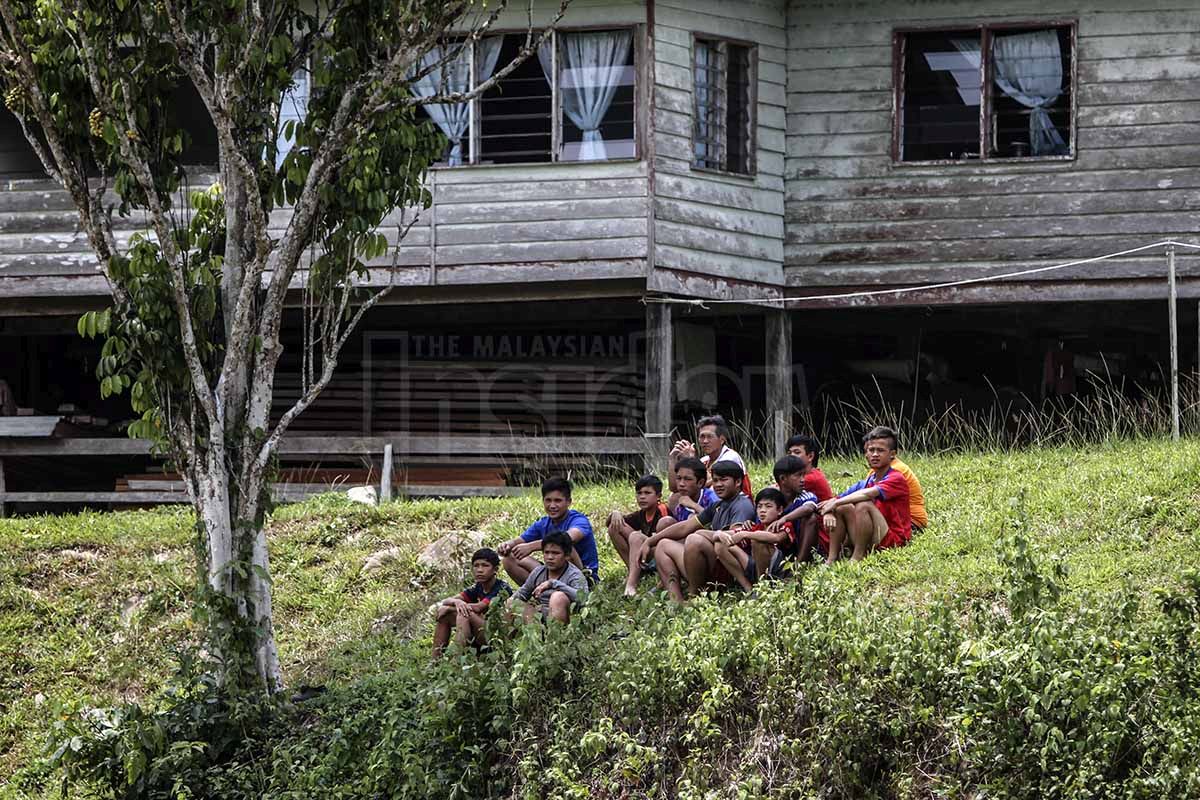
Image via The Malaysian Insider
With no basic necessities, dilapidated schools that are hardly reachable, the east Malaysians have continued to be loyal to the ruling government, believing their promises or even choosing to remain apolitical
Schools in Sabah and Sarawak are not only located far away from the settlements and villages, but the journey in itself is dangerous for the young children. Instead of focusing on their studies and homework, the kids are forced to be up at wee hours in the morning, get ready in darkness, and trek to school for hours.
There are even reported cases of fatalities that happened when the children are bracing through high current rivers just to get to school.
All this to get to [schools](http://says.com/my/news/collapsing-buildings-and-leaky-roofs-the-horrible-state-of-rural-schools-in-sarawak) that are in ruins, with some frail enough to fall apart and injure school students.
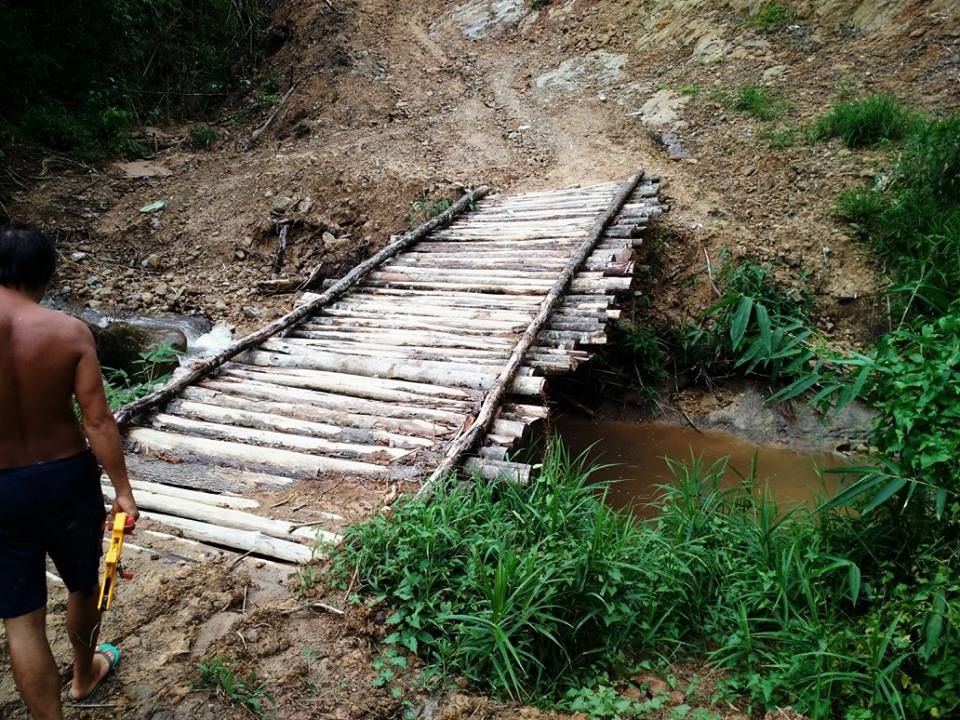
Image via Impian Malaysia
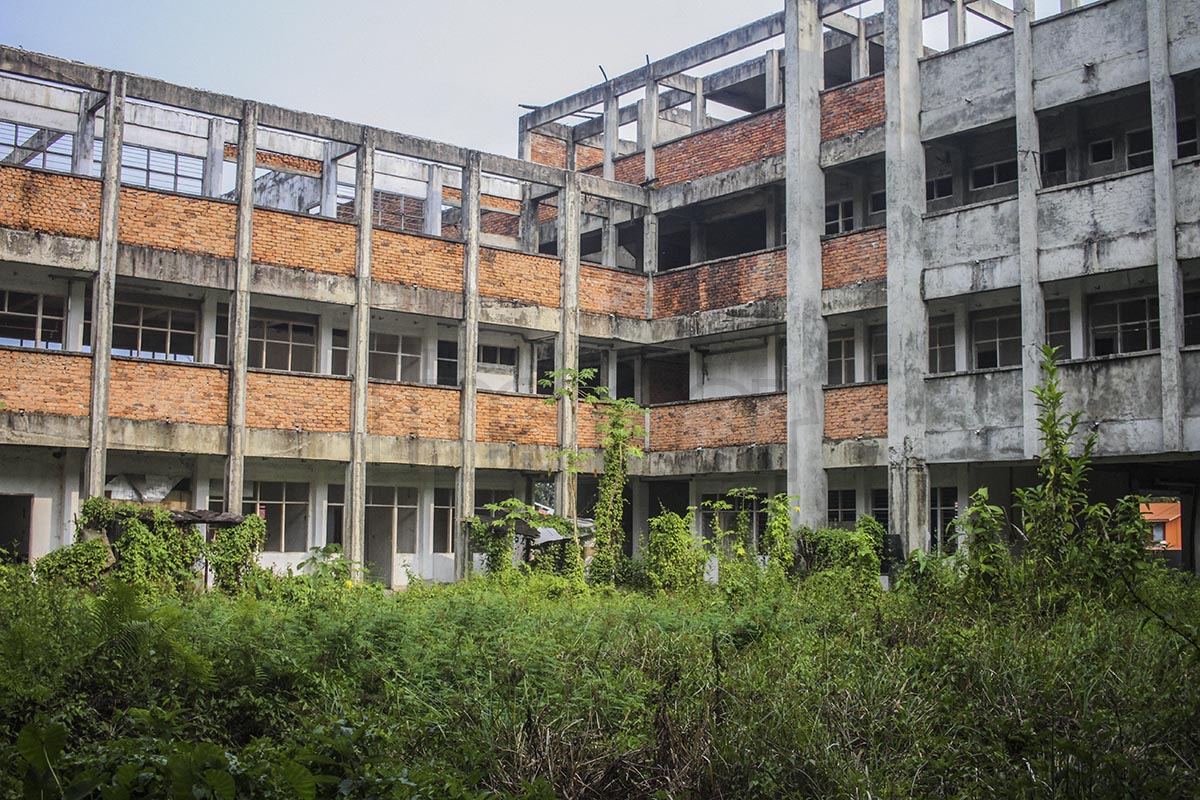
SK Long Sukang, Lawas is another unfinished school project by the ruling government
Image via The Malaysian Insider

This image is surely scenic, but the villagers have to brace through this daily to get from one place to another because there are no proper paved roads connecting the villages and towns in most rural areas in Sarawak and Sabah
Image via Impian Malaysia
If living without water, electricity, immediate medical facilities isn't bad enough, the ancestral lands of Sabahans and Sarawakians are being taken away from them, in the most unscrupulous ways
The thriving local logging industry is supported by the vast rainforest of Malaysia, with most of it situated in Sabah and Sarawak. To meet the growing demands for timber, some local corporation owners resort to horrible means for the sake of increasing their profits.
The natives, the people living in rural areas in Sabah and Sarawak are mostly living in their ancestral lands and the elders of the community are mostly involved in farming, fishing and treat the forests as their home.
Sadly, it isn't only their lands that are taken away; there are multiple reported rape cases of Penan women and girls by the staffs of logging companies. They are constantly threatened and exploited by outsiders looking to make profits out of their livelihoods and lands.

The natives are known to be aa peace-loving and friendly community
Image via The National Geographic
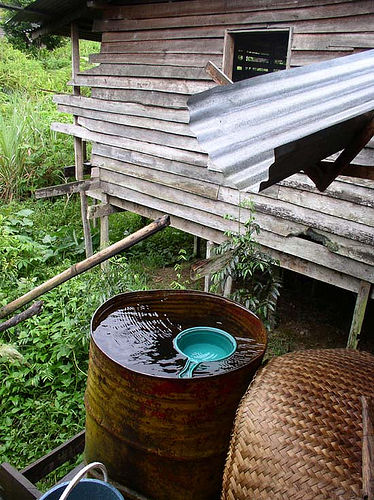
The people living in rural areas will either have to collect murky rainwater or walk for hours to get a heavy bucket of water
Image via Malaysia Flip Flop/Blog

An aerial view of a barren plot of land that was previously one of the vast rainforest in Sarawak
Image via National Geographic
Imagine being dragged out of your homes forcefully, to uproot your lives from everything you know and ordered to move from one place to another by a handful of strangers; that pretty much sums up the lives of rural communities in East Malaysia
While it is a common knowledge that most Malaysians are originally from various parts of Asia, with most originating from China, India, and Indonesia, the natives of this country, the Orang Asli, are the true owners of the land.
But as most Malaysians comfortably own houses and continue leading their lives on their own terms, the natives of this country are fighting to protect their homes with everything they have from the greedy lawmakers and exploitative business people.
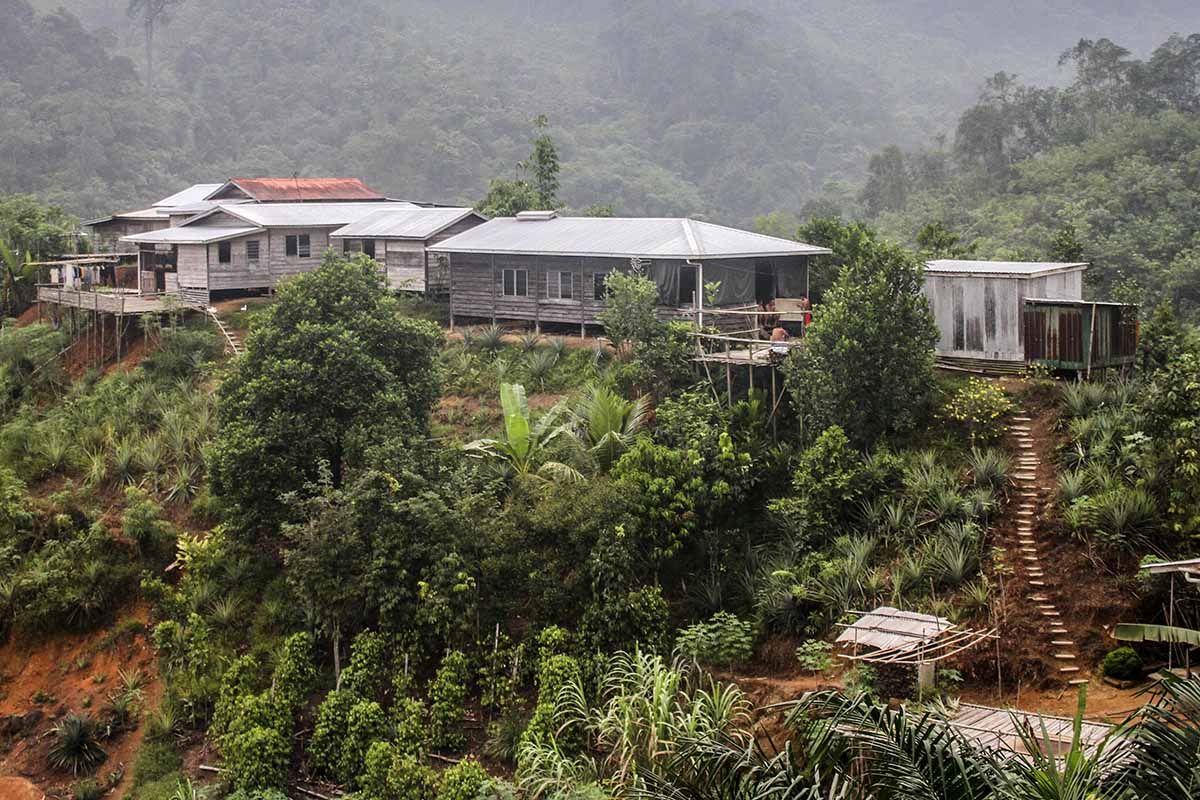
Muk Ayun village in Bengoh, Sarawak is mostly occupied by Dayaks living in their ancestral in their centuries old ancestral lands
Image via The Malaysian Insider

The children in rural areas go through very difficult, sometimes even life-threatening challenges on a daily basis
Image via Photograph by Julien Coquentin/National Geographic
Meanwhile, the new group of anti-BN activists, claim that the reason for their sudden change in allegiance and uprising against the ruling government is because the government has "betrayed" them

Half a century after the nation's independence and the true owners of Malaysia are still fighting for their basic necessities
Image via Malaysia Flip Flop/Blog
The lands that were snatched away from the villagers were planted with all their crops, which happens to be their sole source of food and income
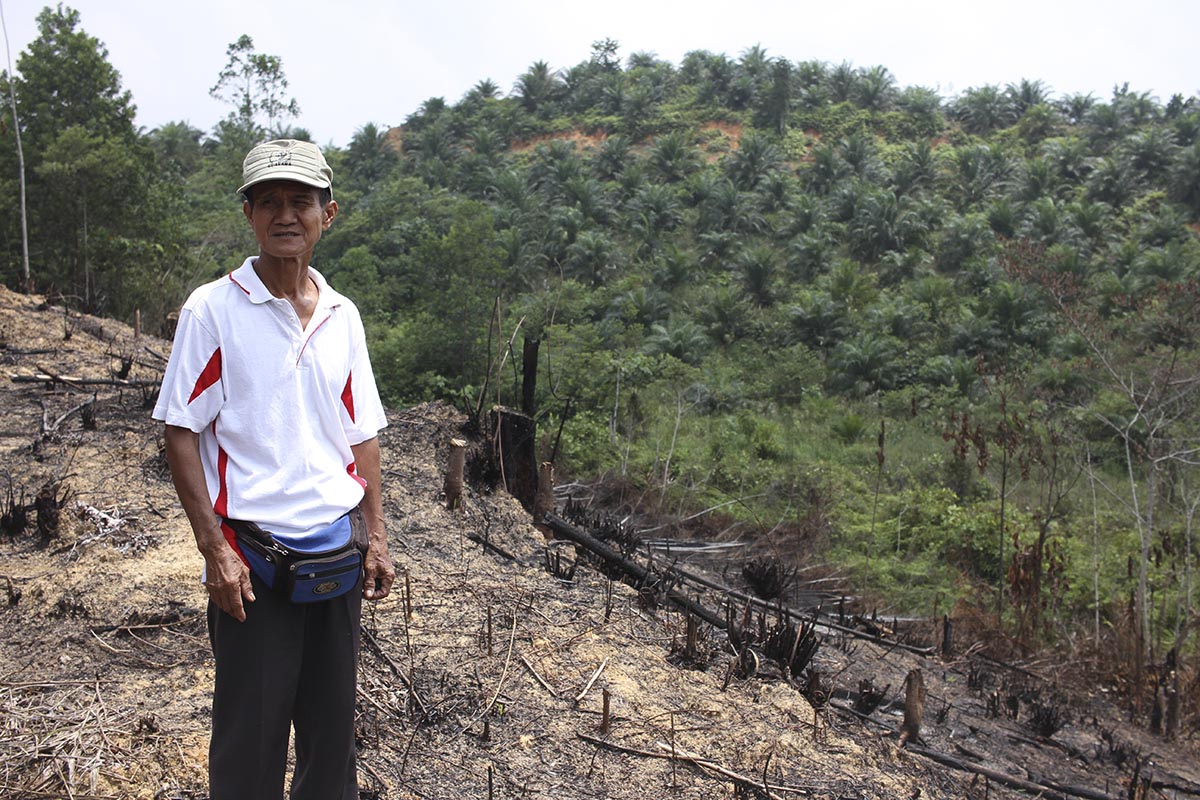
Iban farmer Jimmy Saban claims that he no longer wishes to believe BN's promises of protecting National Customary Rights (NCR)
Image via The Malaysian Insider
This nightmare happened in 2007, when men, clad in Sarawak local council uniforms barged into their homes with M-16 rifles and destroyed all the storage huts that the villagers painstakingly built
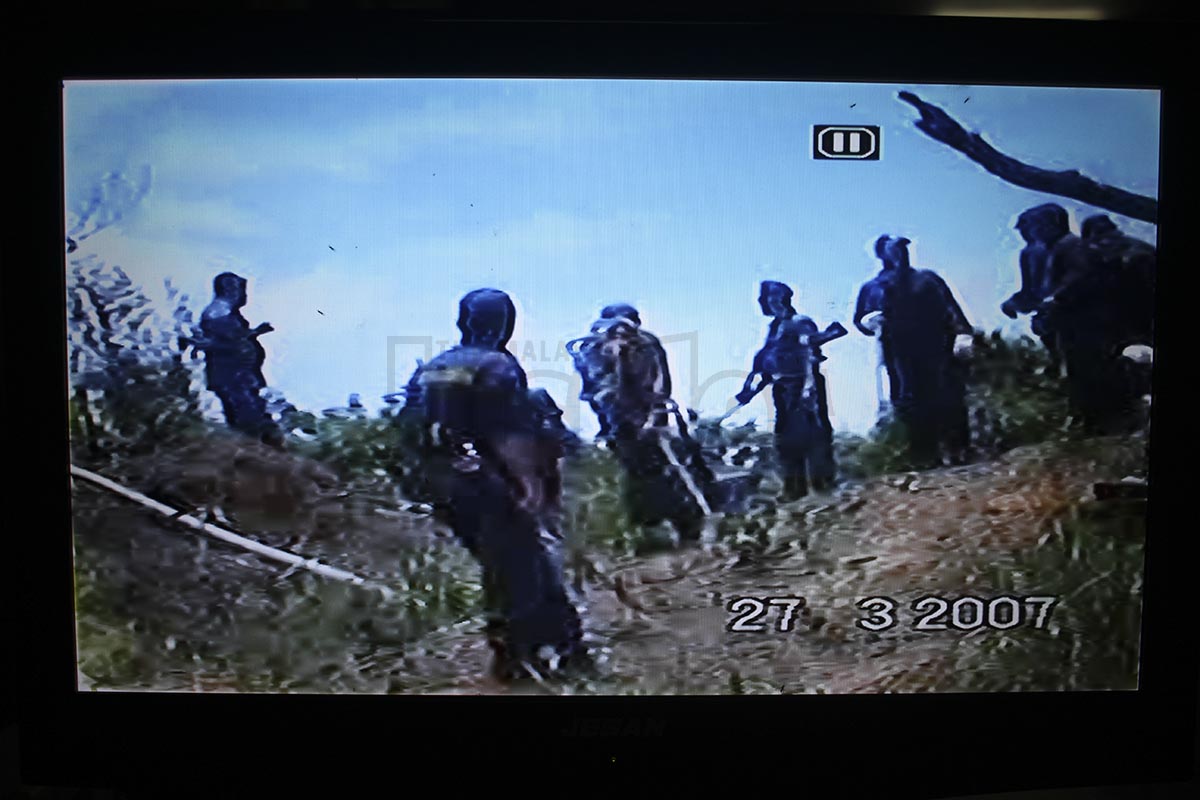
A screen shot from a video footage of police officers holding M-16 rifles while waiting for Sarawak's local council officers to destroy and seize the native's farm lands.
Image via The Malaysian Insider
Following this, in 2011, a group of villagers from Sarawak lodged a police report against a logging company for cheating and forging their signatures to sign away their Native Customary Rights (NCR)
Based on a report by Hornbill Unleashed in February 2011, the company, Quality Concrete, is owned by then Chief Minister of Sarawak, Taib Mahmud's sister, Radziah Mahmud, cousin Hamed Sepawi and Mahmud's brother-in-law and former Sarawak State Secretary Abdul Aziz Bin Husain.
According to the police report, forged and forced signatures of the land owners were used in documents that suggest that the natives are allowing the loggers to enter their lands and to log as they please.

The forms relinquishing claims on ancestral lands that allegedly has the forged signatures of the native leaders
Image via Hornbill Unleashed
In a separate case, the villagers still have a pending lawsuit against logging contractor Loyal Billion and timber licensee Quality Concrete, that have allegedly trespassed on their ancestral lands


The villagers lodged their police reports near the Sungai Maong police station in Kuching in 2011
Image via Hornbill Unleashed
Prior to being subjected to such inhuman acts, these peace-loving natives were faithful BN supporters.
In fact, one of the them actually walked for so long during one of BN's campaigns, till one of his toenails came off.
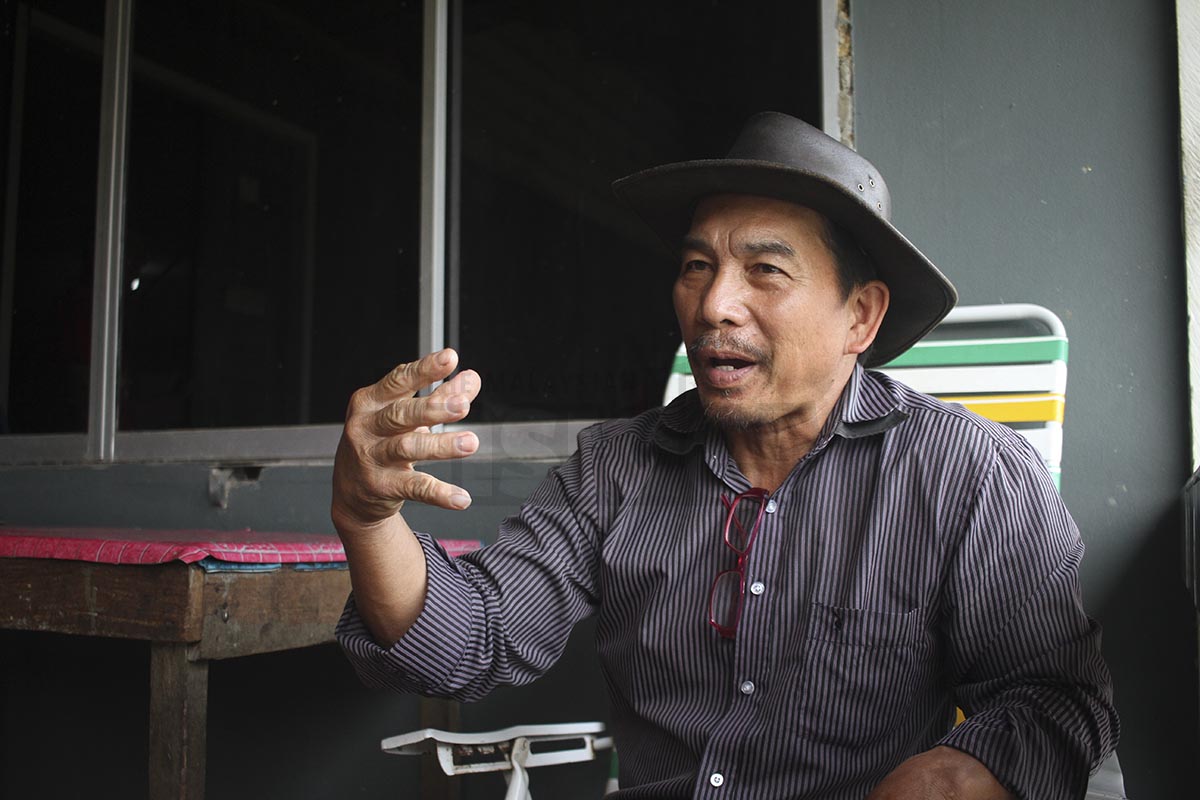
Yaris Semayong, among other natives that are letting go of their past sentiments for Barisan Nasional
Image via The Malaysian Insider
Changing sentiments, decades after putting their devoted faith on BN lawmakers, the natives are now starting to be more politically aware and choose to no longer fall for empty promises and words
Reasons for their change in allegiance can stem from the major, life-changing developments DAP's [Impian Sarawak](http://says.com/my/news/from-broken-bridges-to-paved-roads-how-impian-malaysia-is-changing-lives-in-rural-sarawak) has been working on in various rural areas in Sarawak, Sabah and other underdeveloped places throughout Malaysia.
From building gravity-feed water system, roads, to running free education and medical camps in the villages, Impian's volunteers and the DAP politicians that spearhead these projects, have managed to give these villagers a beacon of hope and changes that are actually useful for them.
Now, the people living in most of Sarawak's rural areas no longer have to walk for hours just to get a bucket of water or lead their lives in darkness, thanks to Impian's initiatives that have brought fresh water supply and electricity to all these villages.
Thoughtful changes and genuine interest in the people's lives prove to be excellent qualities that these political leaders posses.
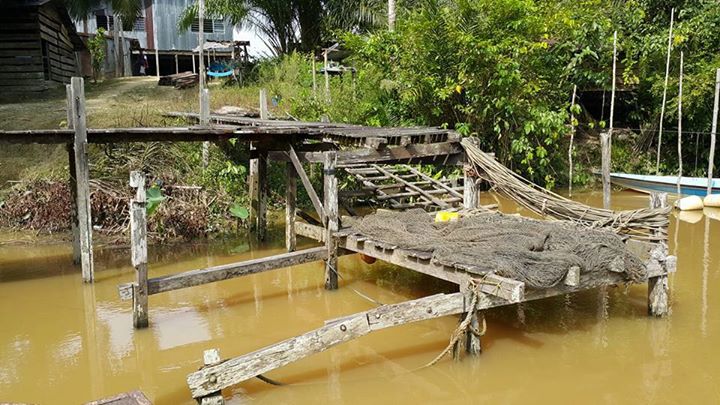
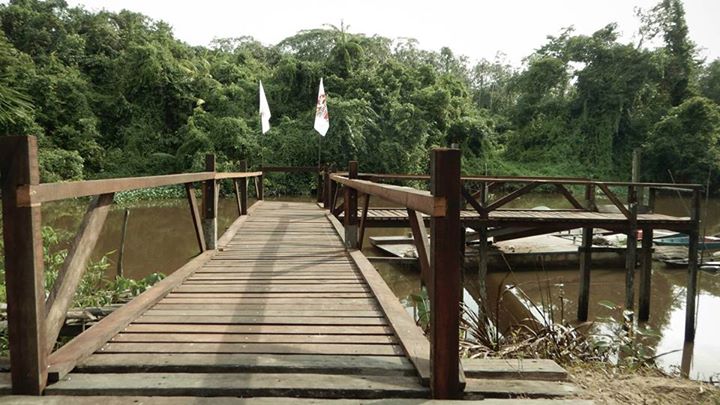
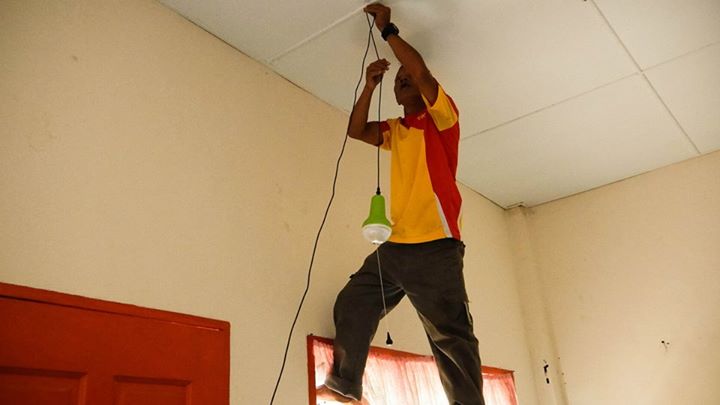

Kuala Binyo in Bintulu will now have fresh water supply after the Impian team built them the gravity-feed water system
Image via Impian Malaysia
Prime Minister Datuk Seri Najib Razak announced during Budget 2016's tabling, last month, that RM29.2 billion will be allocated for the development of Sabah and Sarawak
In line with that, Kedup assemblyman Martin Ben has recently revealed that, around 60 villages in the area, **may get fresh water supply in the next five years,** under the 11th Malaysia Plan, according to a report by the Borneo Post, yesterday.
He also talked about how all the villages in Kedup are connected by roads but some are yet to be tar-sealed and there are still villages in that area that do not have electricity.
**"God-willing, these projects will be completed under the 11th Malaysia Plan,"** he added.
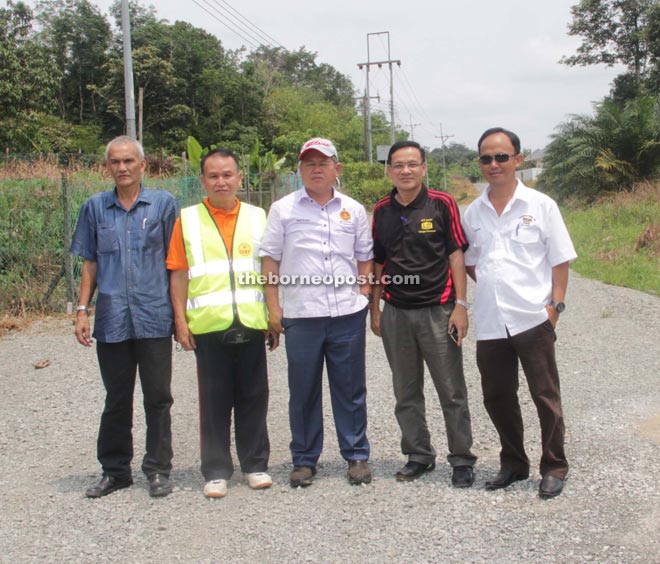
Martin (third from right) with representatives from Public Works Department during a working visit at Mentung Merbok
Image via The Borneo Post

