


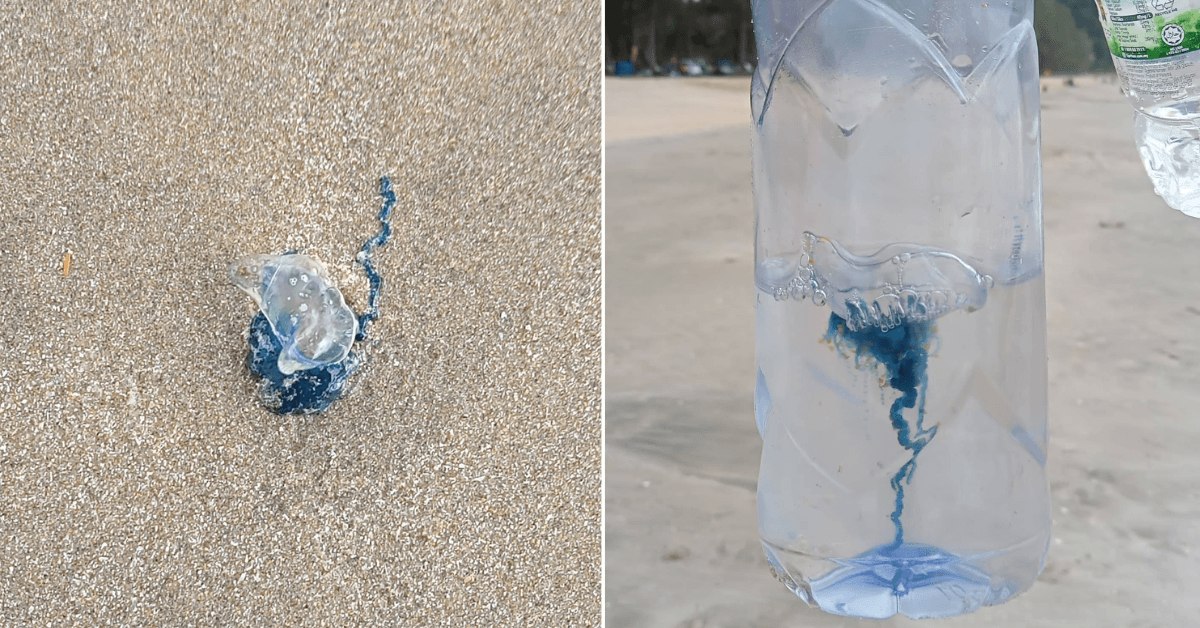
 Cover image via Pejabat Perikanan Negeri Johor (Facebook)
Follow us on Instagram, TikTok, and WhatsApp for the latest stories and breaking news.
Beachgoers across Malaysia are warned to be careful after venomous Portuguese Man O' War jellyfish, or ubur-ubur api, were spotted on popular beaches like Pantai Pandak and Pantai Paka in Terengganu
While typically found in the Pacific Ocean, Portuguese Man O' War jellyfish have recently been spotted in Kuantan and Tioman Island in Pahang, as well as in Sabah, Johor, and even neighbouring Thailand.
The Johor State Fisheries Department recently issued a warning after these jellyfish were spotted in waters off Mersing.
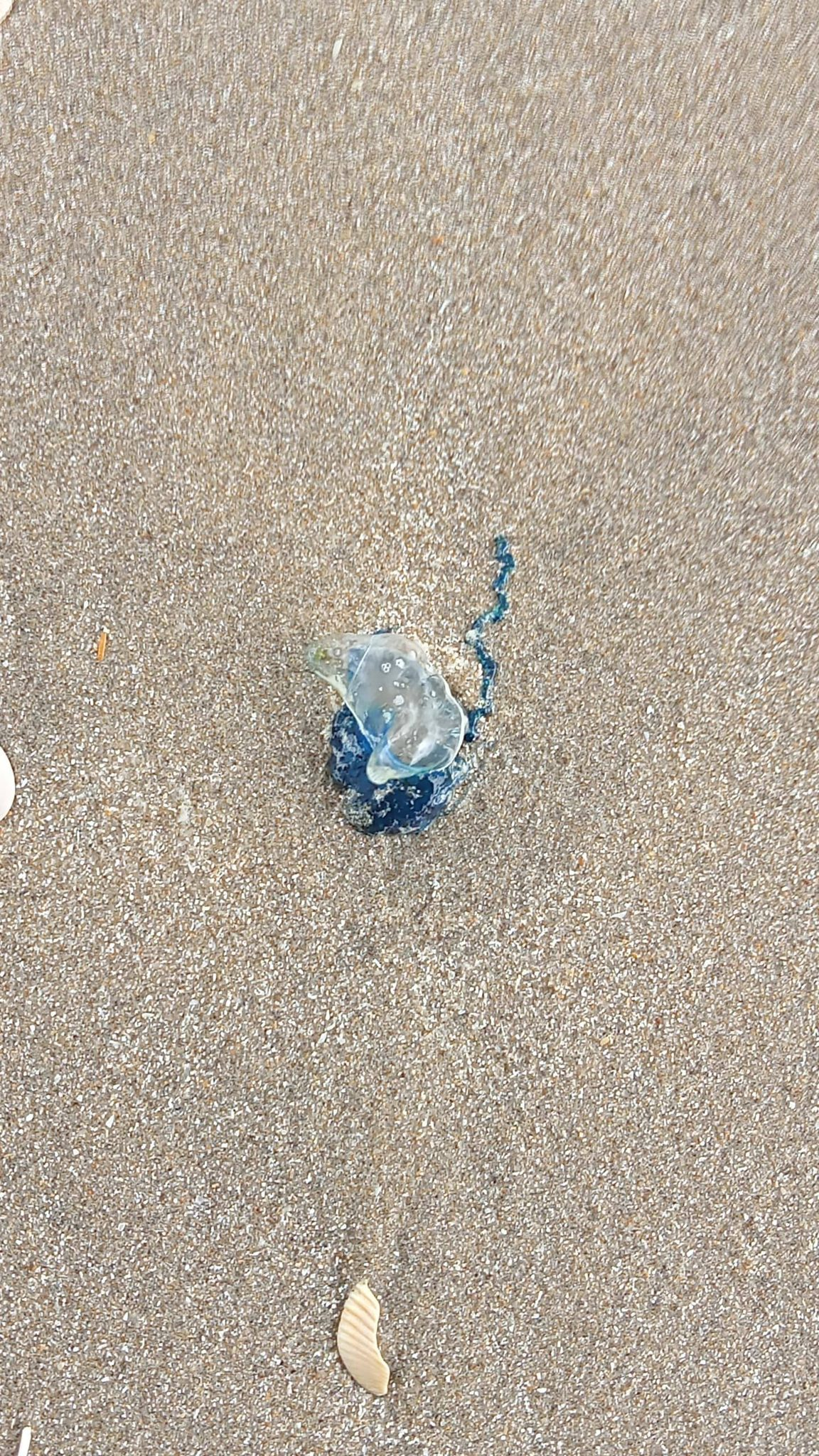
According to Bernama, Associate Professor Dr Rosmawati Md Amin from Universiti Malaysia Terengganu's Faculty of Science and Marine Environment warned that even jellyfish washed ashore can still deliver painful stings.
"Even though they may (be) unmoving… their stinging cells are still active and can release toxins upon contact. A sting can cause intense pain and other symptoms such as dizziness, body aches, and respiratory distress.
"In certain cases, the sting can trigger severe allergic reactions, and victims must be rushed to the hospital immediately," she said.
The Portuguese Man O' War isn't a single jellyfish, but a group of small creatures called polyps working together. Its long tentacles, which can grow up to nine metres, are covered in venomous stingers.
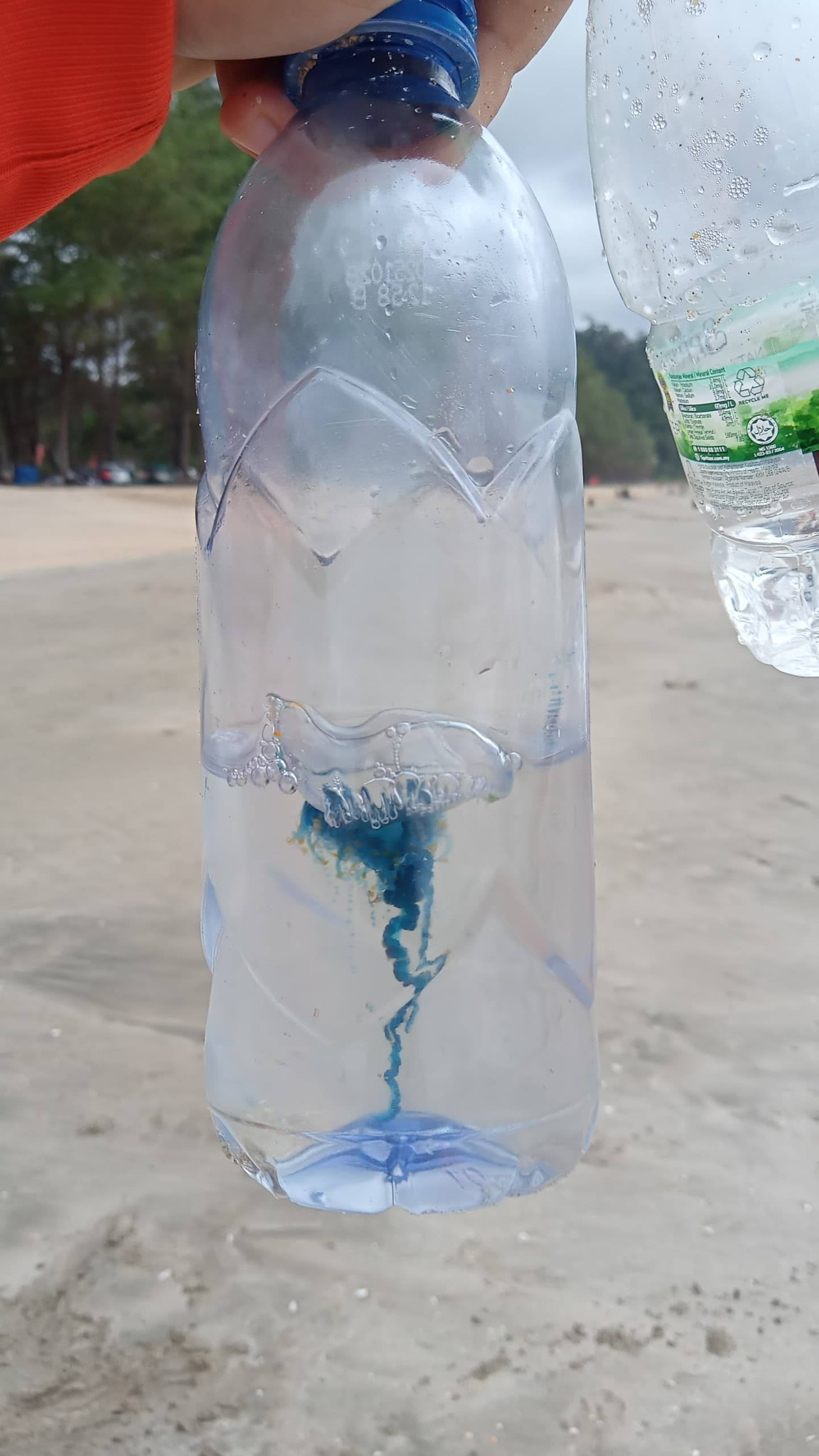
Stings can cause severe pain, welts, swelling, and in some cases, dizziness, body aches, respiratory distress, or severe allergic reactions.
There is no anti-venom, and anyone stung should seek immediate medical attention.
Warm water soaks can help relieve sting pain, though remedies such as vinegar are not universally recommended.
Dr Rosmawati said these jellyfish are commonly found along the East Coast during the North-East Monsoon season, carried ashore by wind and ocean currents.
They are easily identified by their translucent bluish float, known as a pneumatophore, which measures between 2cm and 10cm.
Beachgoers are advised to wear protective footwear and clothing, while swimmers, snorkellers, and divers should exercise extra caution
Fishermen and anglers handling jellyfish in nets are also urged to take care.
Authorities continue to monitor the situation and encourage the public to report any further sightings of Portuguese Man O' War along the East Coast.
