


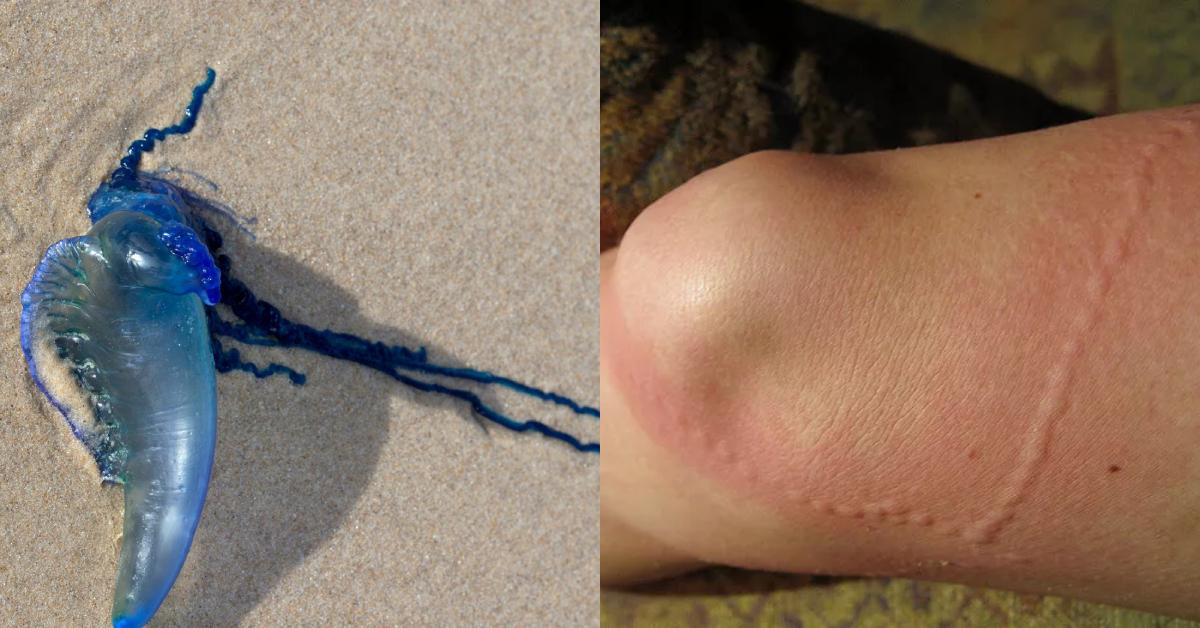
 Cover image via
 Follow us on Instagram, TikTok, and WhatsApp for the latest stories and breaking news.
A jellyfish sting can be painful and potentially dangerous, depending on the species
Malaysia's waters are home to various jellyfish species, including venomous ones such as the box jellyfish (Chrysaora quinquecirrha) and the Portuguese man-of-war (Physalia physalis), also known as the bluebottle jellyfish.
These jellyfish have stinging cells called nematocysts in their tentacles. A single tentacle may contain thousands of nematocysts, which release venom to protect themselves and capture prey.
Jellyfish don't usually mean to sting humans. Most stings occur accidentally when you're swimming or walking along the beach.
It's important to recognise jellyfish both in the water and on the shore — they can sometimes resemble plastic bags drifting along the coast or lie among debris in the sand.
Even dead jellyfish, or detached tentacles, can still release venom.
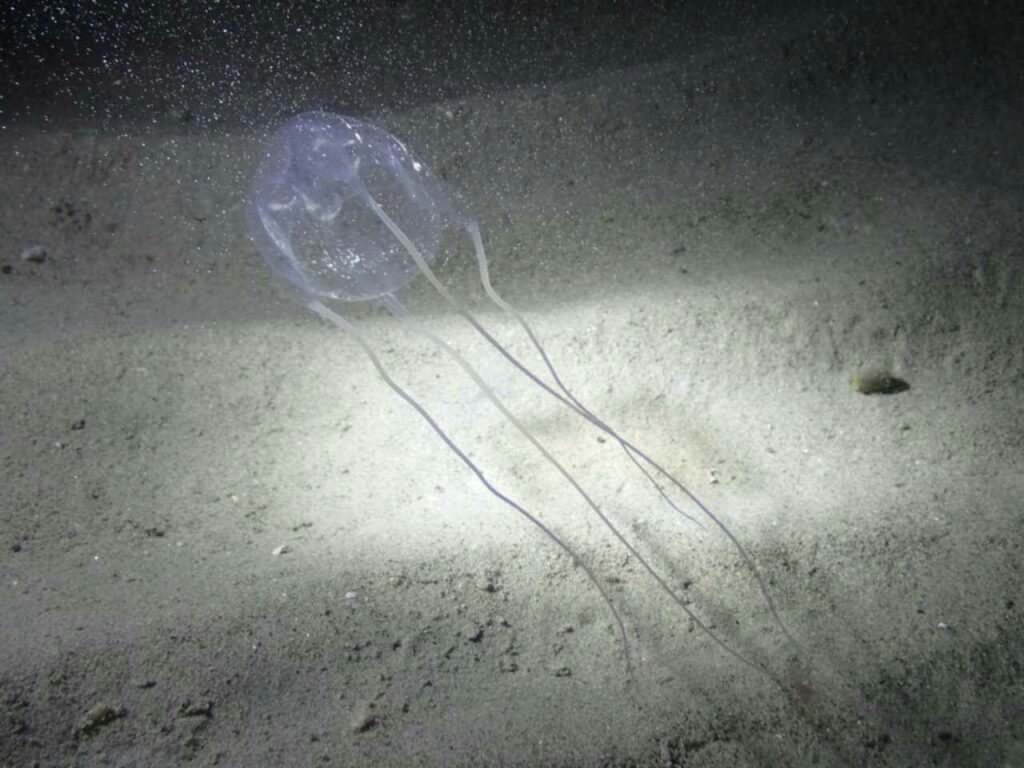
A box jellyfish sighted off the coast of Pulau Tioman, Pahang in 2016.
Image via ID Please (Marine Creature Identification) (Facebook)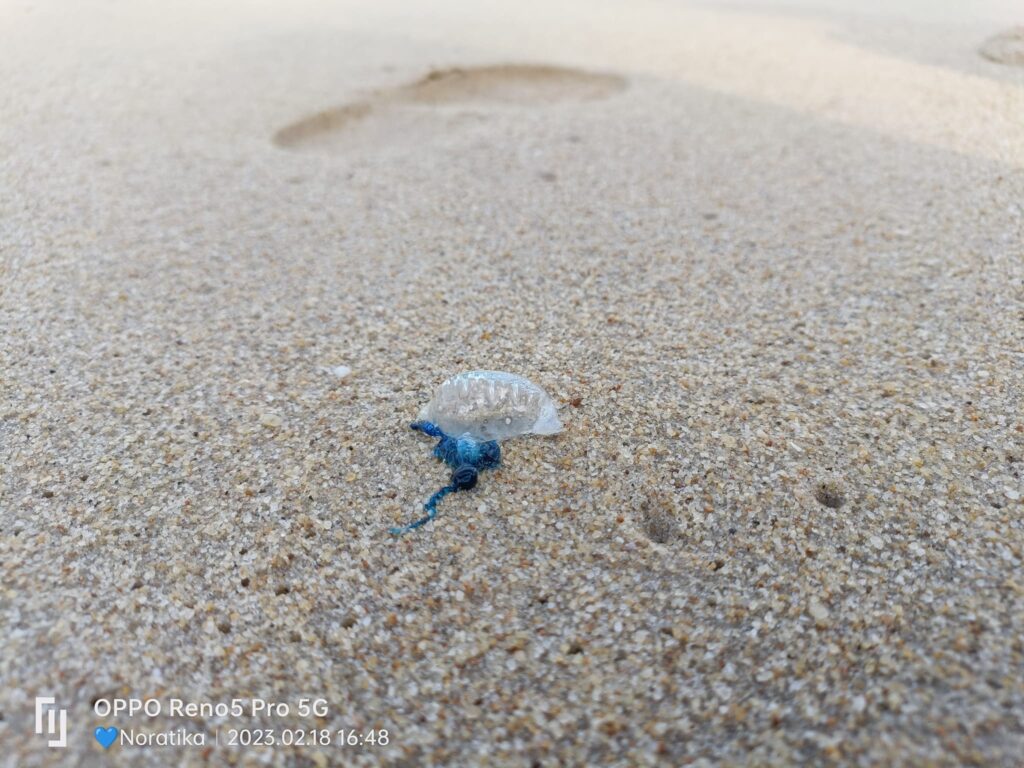
A Portuguese man-of-war jellyfish found along Pantai Bukit Keluang, Besut, Terengganu in February 2023.
Image via Pusat Rujukan & Repositori Laut China Selatan (Facebook)While most stings are mild, the biggest danger comes from drowning or developing a severe allergic reaction after being stung
Knowing some first aid can help ease pain, prevent complications, and potentially save a life.
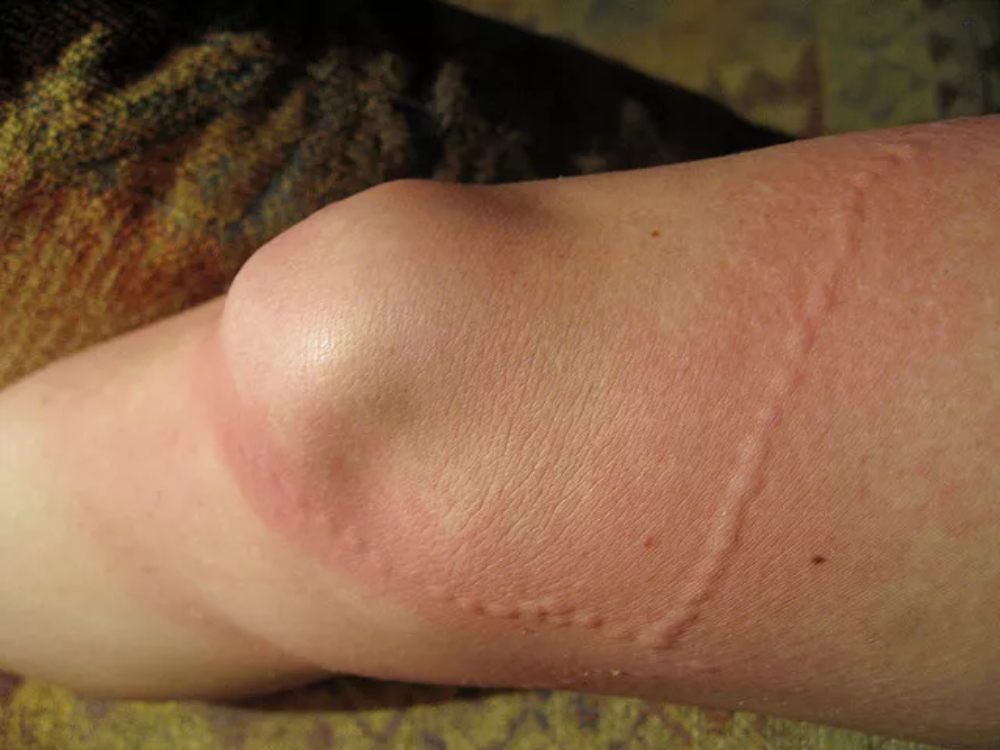
A jellyfish sting.
Image via Verywell HealthHere's what to do if you or someone else is stung by a jellyfish:
Immediate First Aid Steps
1. Stay calm and get to shore. If you're in the water, swim back calmly to avoid further contact with any jellyfish.
2. Remove tentacles safely. Use a stick or tweezers to lift any tentacles remaining on the skin. Do NOT use your bare hands.
3. Flush with seawater. Flush the area with seawater to wash away any remaining stinging cells. Do NOT use fresh water, alcohol, or urine, as this can trigger more venom release.
4. Only use vinegar for certain species. Vinegar can inactivate venom from box jellyfish but may worsen stings from others, such as the Portuguese man-of-war; research before applying.
5. Immerse in hot water. Immerse the affected area in hot (not scalding) water for 20–45 minutes. The heat can help neutralise venom and relieve pain.
6. Seek medical attention. Get emergency help immediately, especially if you experience severe or worsening pain, signs of an allergic reaction such as difficulty breathing, swelling of the lips/face; or recognise the stings are from a dangerous species.
Beachgoers should be aware of jellyfish high seasons, which vary with water temperatures and currents. It's best to check with local authorities and avoid swimming during these periods.
The information provided is for educational and communication purposes only and it should not be construed as personal medical advice. Information published in this article is not intended to replace, supplant or augment a consultation with a healthcare professional regarding the reader's own medical care.
Sources: New Straits Times, Australia Wide First Aid, Malaysia Vacation Guide, MedlinePlus
