


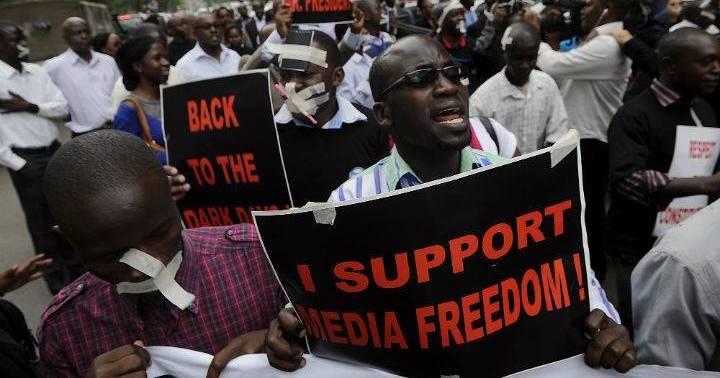
 Cover image via Global News
The American Bar Association Center For Human Rights said yesterday, 7 March, that Malaysia's sedition laws are far stricter compared to those in other Commonwealth countries


Image via Malaysiakini
Meanwhile, these Commonwealth countries that are in various stages of development have either repealed or amended their sedition laws to suit the freedom of expression that is commonly promoted in the 21st century:
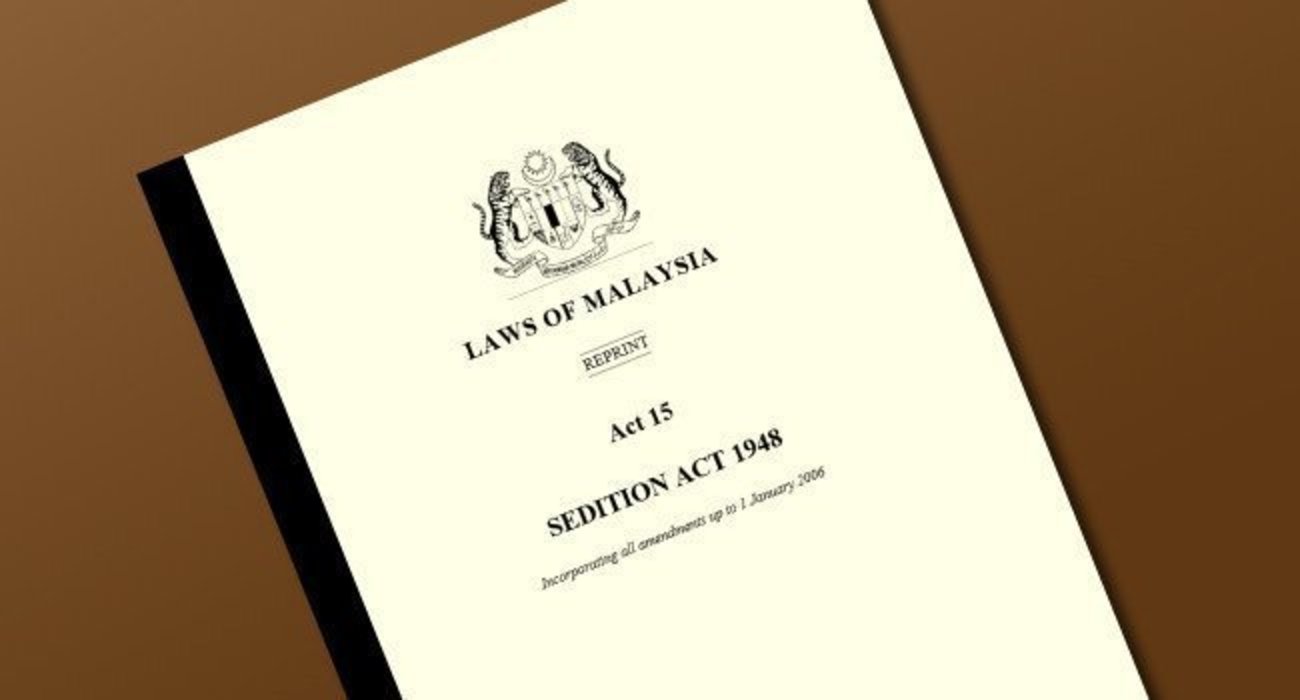
Image via Ask Legal
1. United Kingdom
After many years of legal battles, the United Kingdom's Ministry of Justice abolished their sedition laws in their efforts to revamp their constitutional system.
According to Hindustan Times, UK's sedition act was revoked through the Coroners and Justice Act 2009, under Prime Minister Gordon Brown's Labour government.
After doing away with the offences of sedition and sedition libel, the offence of defamatory libel, and the offence of obscene libel, the UK government introduced the Freedom of Information (FOI) act.
**"Sedition and seditious and defamatory libel are arcane offences – from a bygone era when freedom of expression wasn't seen as the right it is today," said the Parliamentary Under Secretary of State at the Ministry of Justice, Claire Ward when commenting on UK's move to do away with sedition act.**
"Freedom of speech is now seen as the touchstone of democracy, and the ability of individuals to criticise the state is crucial to maintaining freedom," added Claire.

UK's sedition laws were abolished under Prime Minister Gordon Brown's government
Image via The Independent
2. Uganda
On 25 August 2010, the Republic of Uganda's Constitutional Court declared their law on sedition null and void.
According to the judges who involved in the decision making, these sedition laws are considered unconstitutional and not in line with Article 29 (1) which guarantees freedom of speech for Ugandans.
The abolished sedition act in Uganda was defined as when a person alters or publishes statement in an attempt to incite hatred, contempt or disaffection against the president, government or judiciary.
According to Human Rights Network for Journalists-Uganda (HRNJ-Uganda) Mid Year Press Freedom Report 2010, a great number of journalists and opposition party supporters in Uganda have been charged with sedition act in the past, which has served as a major clampdown on media independence and freedom of expression.
3. Kenya
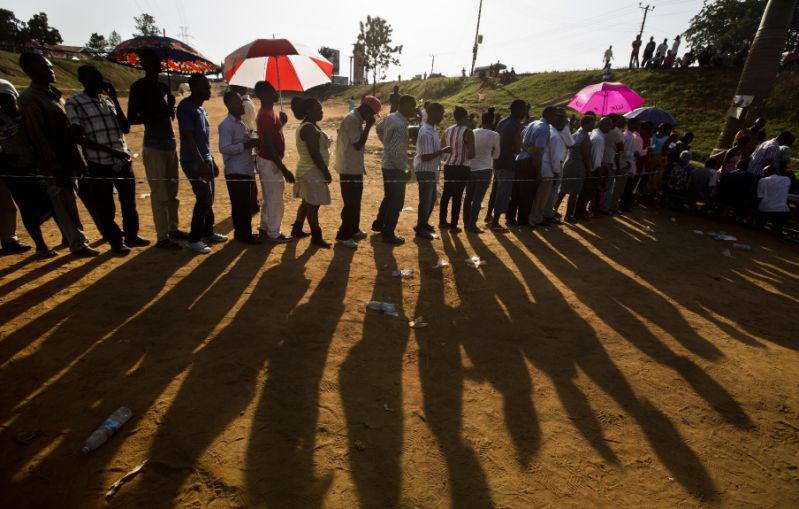
The Inter-Parties Parliamentary group repealed Kenya's sedition laws pertaining to Section 56, 57 and 58 of the Penal Code and amended Section 52.
Section 52 of the Penal Code warrants the minister powers to ban any publication that he or she deems prejudicial to the state.
Following the amendment, if such a situation were to occur, the said minister must have reasonable grounds and the action much be justifiable to a democratic society.
The amendment also introduced the Prohibited Publications Review Board which is set to review and advise the minister about any publication that is banned under Section 52.
4. New Zealand
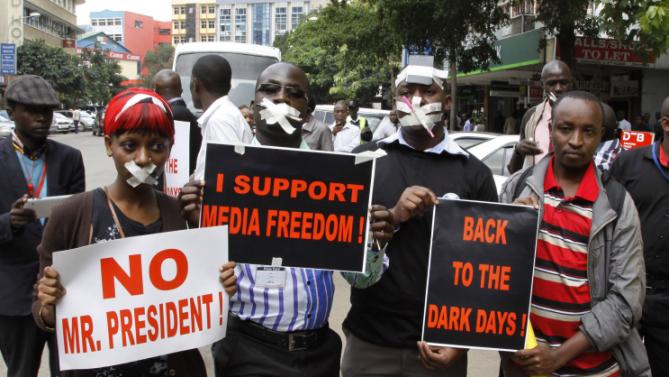
In 24 October 2007, the government of New Zealand repealed Crimes Act 1961 after many criticised the law as it hinders freedom of speech and expression against the state.
The Law Commission concluded that the seditious offences are "too broad and uncertain" and may be abused by certain parties that may use it to stifle or punish any form of political speech.
**Prior to abolishing the law, the New Zealand government even provided five specific reasons for repealing the sedition provisions of Crimes Act 1961, namely;**
1) The legal profile of the offence is broad, variable, and uncertain. The
meaning of "sedition" has changed over time.
2) As a matter of policy, the present law invades the democratic value of free
speech for no adequate public reason.
3) Specifically, the present law falls foul of the New Zealand Bill of Rights
Act 1990.
4) The seditious offences can be inappropriately used to impose a form of
political censorship, and they have been used for this purpose.
5) The law is not needed because those elements of it that should be retained
are more appropriately covered by other offences.
Australia on the other hand, abolished the Commonwealth Crimes Act 1914, but created the Anti Terrorism Bill in 2005 in place of it
Australia's Commonwealth Crimes Act 1914 was passed in the year 1914, containing laws against very serious offences against the Commonwealth such as treachery, sabotage, perjury, etc.
In 2005, the government introduced the Anti Terrorism Bill, which included more protection for the media and leeway for freedom of expression.
Despite the fact that there is a new law in place of their sedition act, Article 19 of the International Covenant on Civil and Political Rights (ICCPR) basically states that 'everyone has the right to to their opinion, freedom of expression and right to access to information'.
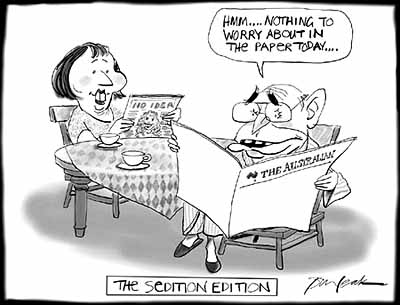
Image via Safe Com
The sedition act's origins can be traced back to England to protect the British monarch and the English empire from being criticised or vilified
Created by the Parliament of English in 1661, the Sedition Act 1661 was popular back in the 17th century when monarch were equivalent to gods and their actions deemed unquestionable by the commoners.
With time, the powers of monarchies throughout the world have been decreased a great deal, thus making sedition laws irrelevant in the present day.
Most countries seek reforms, freedom of media, speech and expression as a way to be known as a fully developed, first world nation.
While many countries in the world have yet to remove sedition laws from the constitution, others have stressed on their dedication to protect the freedom of expression and democracy in their respective countries.

Image via Australian War Memorial
In Malaysia, the Sedition Act 1948 was created by the colonial authorities of British Malaya to ensure that there's was no opposition to the their rule and to repress any communist elements by the Communist Party of Malaya
While the roots of Malaysia's sedition act in understandable given the fact that the communist party incited a great deal of violence and unrest that led to the Emergency period, they officially surrendered to the Malaysian government in 1989.
Following that, the law has been used against many members of the opposition, media and NGOs that are campaigning against any undemocratic act by the government.
Teresa Kok, N. Surendran, Rafizi Ramli, Azmi Sharom and Zunar are just some members of the local political scene and activist that have been arrested and penalised for [expressing their thoughts.](http://says.com/my/news/things-to-know-about-amendments-to-the-sedition-act-what-is-seditious)
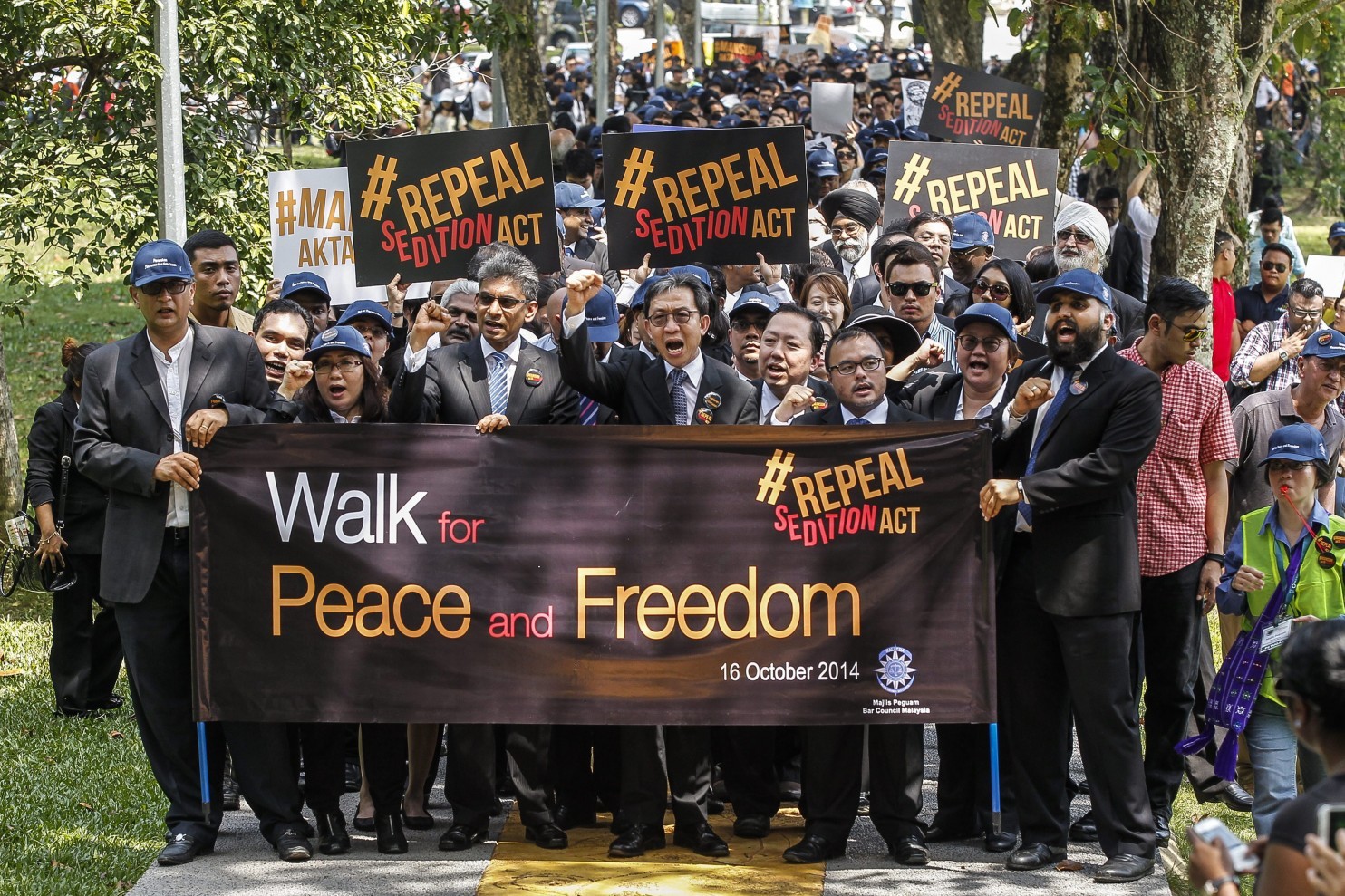
Image via Washington Post
In April 2015, after a great deal of debate, the Malaysian government passed a controversial set of amendments to the Sedition Act
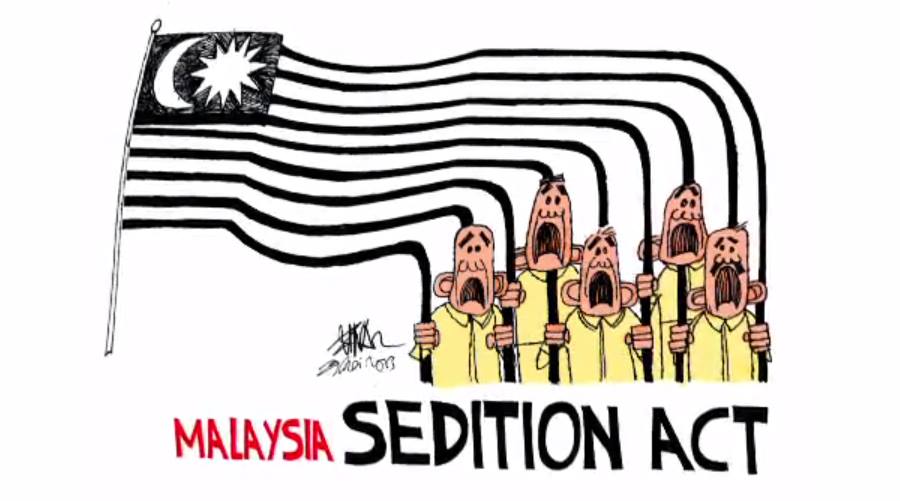
Image via Article 19
