


 Cover image via
Follow us on Instagram, TikTok, and WhatsApp for the latest stories and breaking news.
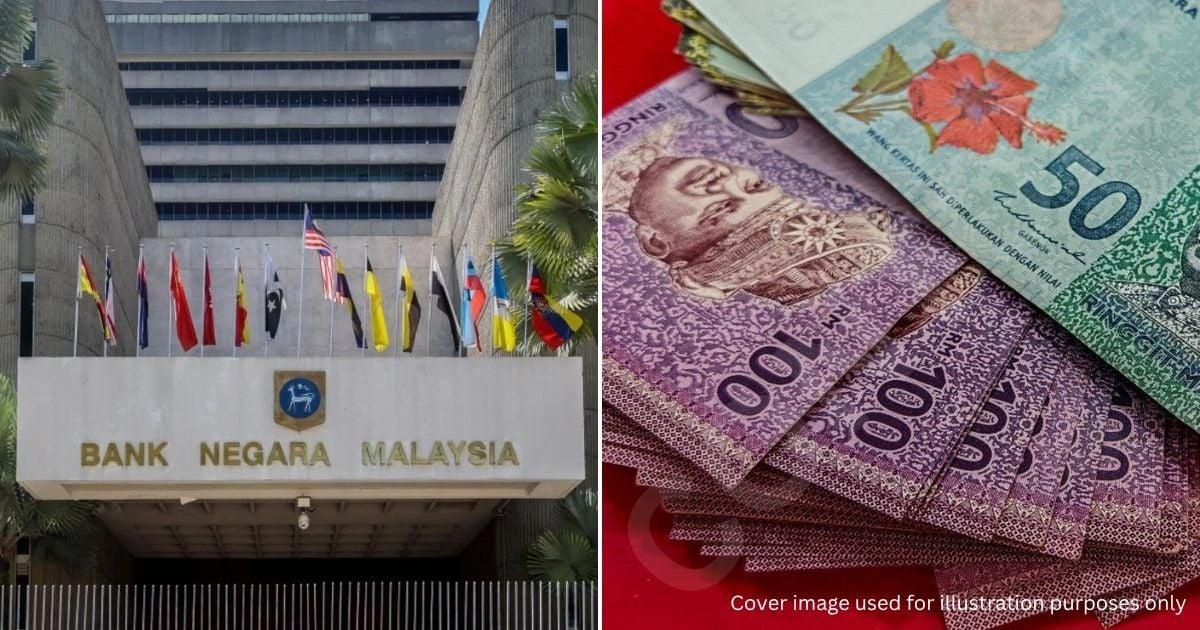
Bank Negara Malaysia (BNM) has raised its economic growth projections for 2026, signalling confidence in the nation's ability to withstand international trade disruptions and fluctuating energy costs
In its latest annual report released today, 31 March, the central bank adjusted the expected Gross Domestic Product (GDP) growth to between 4% and 5%.
This update reflects a more optimistic outlook than the previous estimate of 4% to 4.5%, suggesting that the Malaysian economy is performing better than initially feared despite a challenging global landscape.
The upward revision follows a strong performance in 2025, where the economy grew by 5.2%
According to the central bank, Malaysia is approaching current global uncertainties from a "position of strength", supported by a resilient banking system and a solid base of institutional investors.
Key drivers for this continued momentum include steady household spending, a resurgent tourism industry, and a high global demand for Malaysian electrical and electronic (E&E) exports.
While the international climate remains unpredictable — particularly due to shifting US trade policies and conflicts in the Middle East — Malaysia's status as a net energy exporter provides a unique strategic cushion
The government has significantly increased its fiscal commitment to maintain price stability for citizens.
Currently, the monthly expenditure for RON95 fuel subsidies and diesel assistance has climbed to RM4 billion, a stark increase from the RM700 million spent before the recent global conflicts. This forms a key part of the BUDI MADANI framework, which now requires an active driving licence for eligibility.

Image used for illustration purposes only.
Image via Engin Akryut/PexelsInflation is expected to remain under control throughout 2026, with headline inflation projected to average between 1.5% and 2.5%
This is a minor increase from the 1.4% recorded last year. Although there are localised concerns, such as a potential 50% spike in vegetable prices due to fertiliser shortages, the overall price environment in Malaysia remains more stable than that of its regional neighbours.
On the policy front, BNM has maintained the Overnight Policy Rate (OPR) at 2.75% for the fourth consecutive meeting. This stability follows a rate cut in July 2025 intended to buffer the economy against US tariffs. While a recent trade agreement lowered specific tariffs on Malaysian goods to 19%, policymakers are currently evaluating the impact of a new 10% global import duty recently introduced by Washington.
What does this mean for Malaysians?
For the average Malaysian, this report suggests that the economy is on a steady path, which typically translates to better job security and continued business opportunities. The decision to keep the OPR at 2.75% means that interest rates for home and car loans will likely remain unchanged for now, providing some predictability for household budgets.
Furthermore, the government's massive RM4 billion monthly subsidy spend is why petrol prices have only risen gradually rather than skyrocketing despite global oil volatility.
However, the tightening of BUDI95 criteria — such as the driving licence requirement — indicates that the government is becoming more precise in who receives this aid.
While the "headline" inflation seems low, Malaysians should still prepare for specific price hikes in fresh produce, even as the broader economy remains robust and well-guarded against global shocks.
