Cover image via Independent
Editor's Note: The photos in this story may be distressing to some.
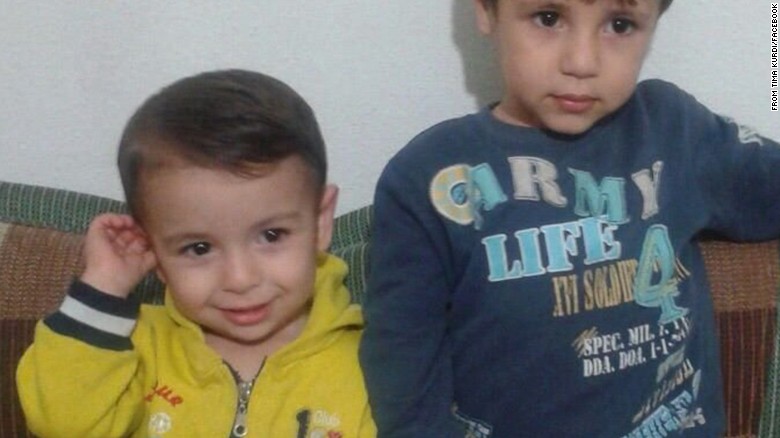
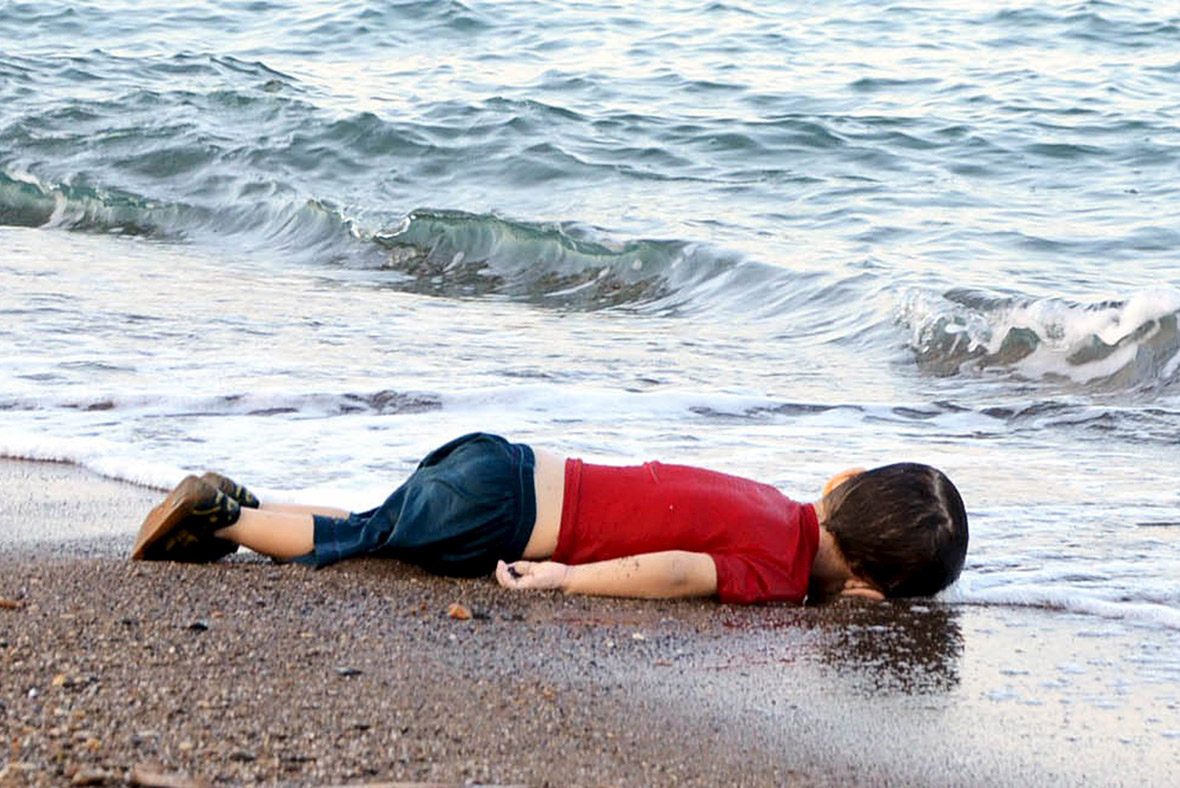
In the wee hours of the morning of 2 September, Nilüfer Demir, a photojournalist saw something so chilling on the Turkish shoreline it left her petrified. For there lay the lifeless body of Aylan Kurdi, the 3-year-old Syrian boy, photos of whose — his face into the sand at shore's edge — would go on to prompt outrage and bring a much needed international attention on the humanitarian crisis of Syrians trying to flee their war-torn country, often with tragic consequences.
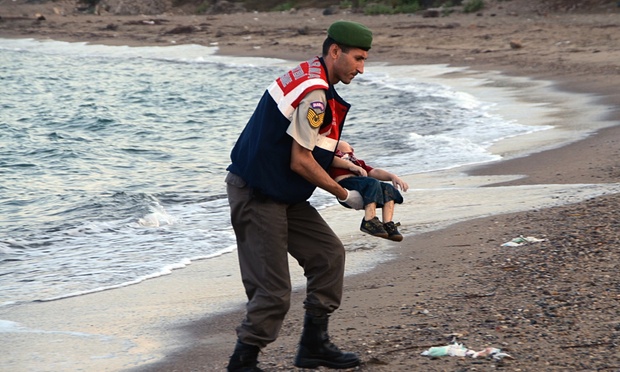
This is the story of one such tragic consequence, of the life of Aylan Kurdi, of his unnecessary death and the need to fill in the gaps behind the harrowing images that have put pressure on officials to do more to address the unrelenting flow of refugees and migrants.
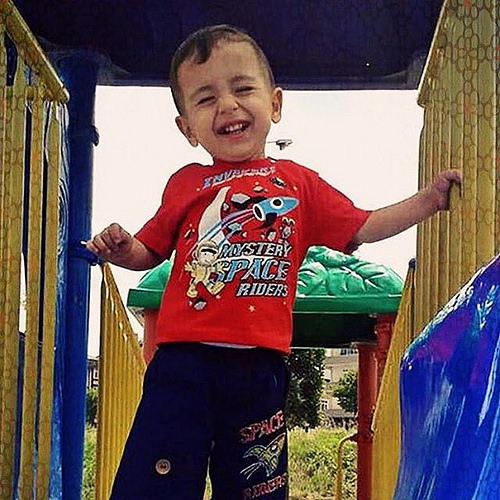
The photo of Aylan — in a red T-shirt, blue shorts and Velcro sneakers, found face-down on a Turkish beach — first appeared in Turkish media, sparking global outrage and widespread distress. It was widely shared on Twitter with the hashtag, "KiyiyaVuranInsanlik" — Turkish for "Humanity Washed Ashore."
The Turkish shoreline was not the place Aylan or his elder brother and mother should have died: his family had successfully escaped Syria, tried Turkey and, in the form of the Greek isle of Kos, freedom now beckoned from across the sea.
For Aylan, his brother Ghalib, their father Abdullah and mother Rehan Kurdi, the dream of a life in Canada to reunite with Abdullah's sister Tima, a hairdresser in Vancouver, far from war and civil strife, had never been nearer.
But then came the waves: a sea so fierce it overturned their cramped plastic dingy.
"I took over and started steering," said Abdullah Kurdi while speaking to The Guardian. "The waves were so high and the boat flipped. I took my wife and kids in my arms and I realised they were all dead."
"All I want is to be with my children at the moment."
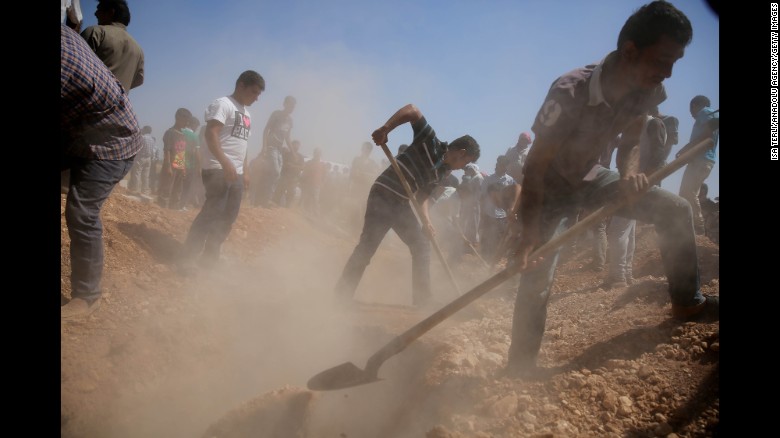
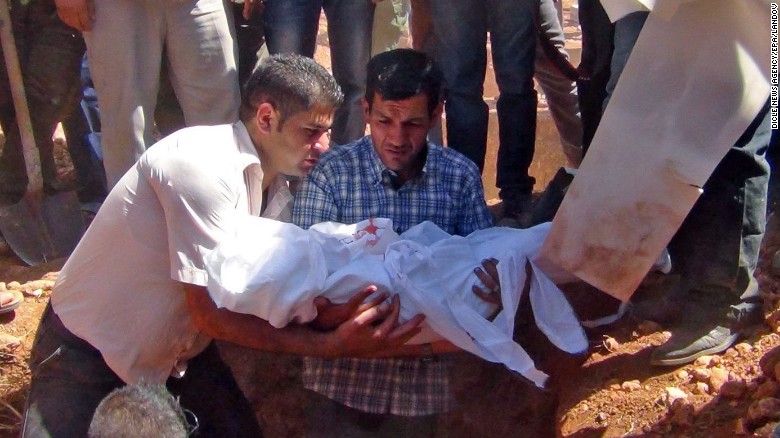
He would try to take his loved ones back for burial in Kobani, he added, the family's original hometown on Syria's border with Turkey where Islamic State (ISIS) insurgents engaged in fierce fighting with Kurdish forces earlier this year.
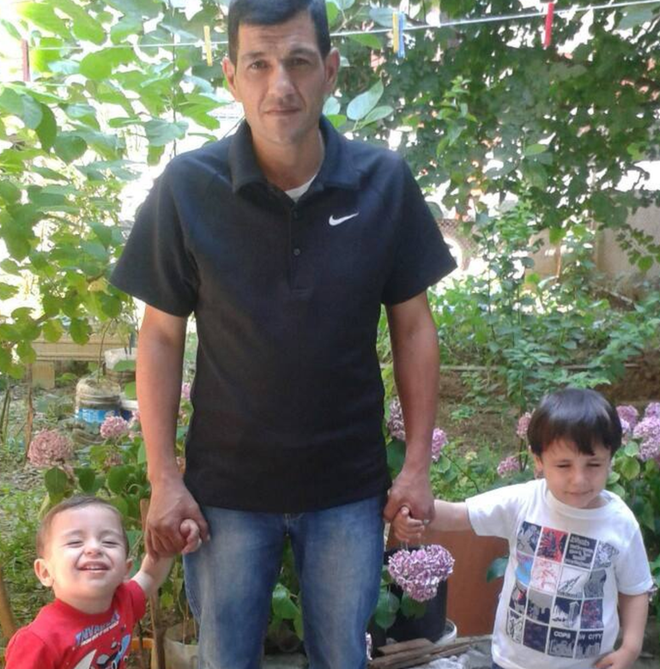
According to a report in The Guardian:

Aylan's family had fled Kobane. The BBC's Middle East Correspondent Quentin Sommerville visited Kobane back in January. These pictures show the devastation of the place the child and his family had left in search for a better life:
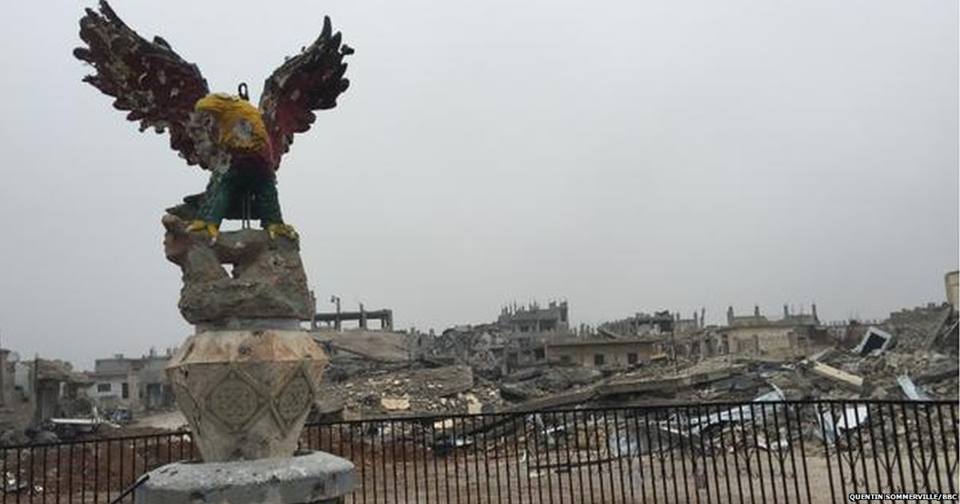
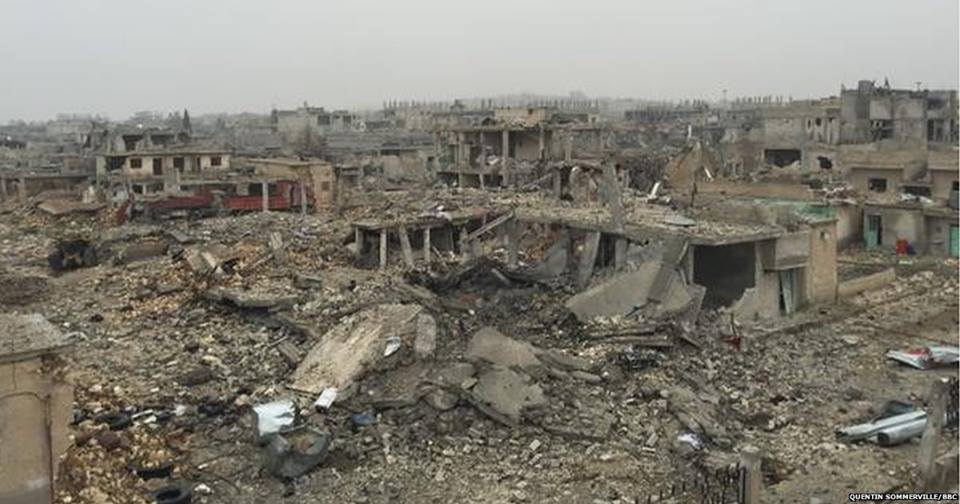
The Kurdis had been living in Damascus until the early stages of the Syrian conflict in late 2011. When the violence in the city escalated, they relocated back to Makharij village, 25km outside the northern town of Kobane, pictured here.
Image via BBC

When Kobane became a flashpoint in the conflict between Kurdish fighters and Islamic State militants in late 2014, the family fled along with tens of thousands of others for Turkey.
Image via BBC
According to reports, unlike other refugees heading for Europe, Aylan's family had lived in Turkey for three years before deciding to repatriate to Canada, where Abdullah's sister had for several years attempted – and failed – to sponsor their asylum claim

Aylan's aunt makes an emotional appeal to refugees planning to cross Mediterranean to think again.
Image via The Guardian
Aylan's family had made three previous attempts to leave Turkey before their fourth and final, according to the BBC. On the fourth attempt, they worked with people in Izmir to get them to the coast and then on to Kos by boat.
They are believed to have paid USD4,400 for the crossing – several times the cost of an airfare to Canada for the whole family.