


 Cover image via Mic.com
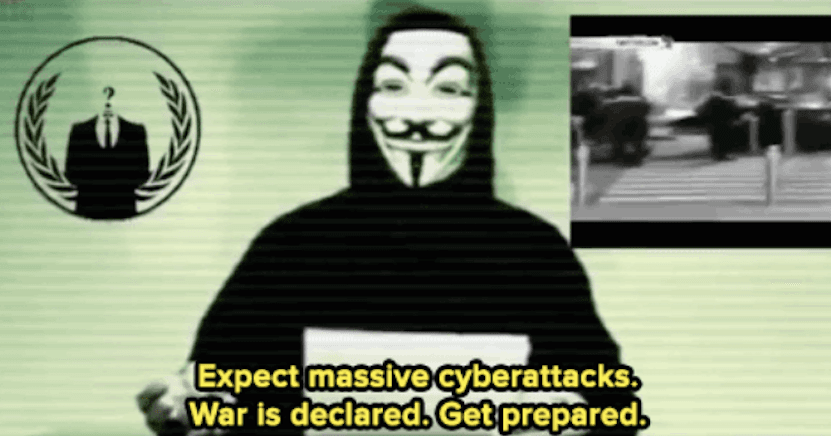
Following the series of coordinated terrorist attacks in Paris on 13 November, hacktivist group Anonymous has announced an all-out cyberwar against the Islamic State (IS), commonly known as ISIS
IS, also referred to as ISIS (Islamic State of Iraq and Syria) or ISIL (Islamic State of Iraq and the Levant), had claimed responsibility for the attacks that killed 129 civilians and wounded close to 450 people.
In retaliation, Prime Minister Manuel Valls confirmed on 16 November that French authorities have conducted more than 150 raids and completed a bombing campaign against suspected IS camps in Syria.
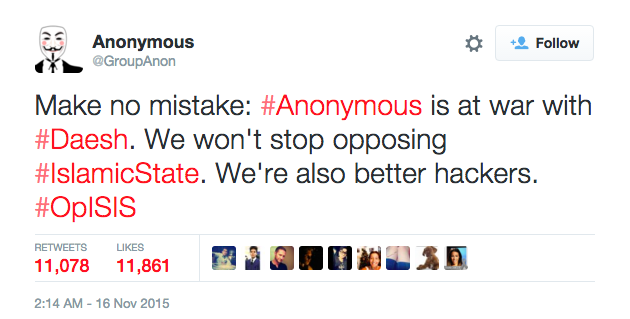
Image via Twitter @GroupAnon
In a YouTube video released on 14 November, a masked self-identified member of the group declared war against IS, saying that they are preparing to launch their "biggest operation" against the extremist militant group

Image via Mic.com Tumblr

Made up of an unknown number of loosely-connected individuals, Anonymous is an international network of activist computer hackers who have claimed responsibility for numerous cyberattacks against governments as well as corporate and religious websites for more than a decade
Having gained notoriety in 2008 following its cyberattack on the Church of Scientology, Anonymous has been known to level its ire against those **it perceives to be ethically and morally corrupt**.
Some of the group's most famous targets include the white supremacist group Ku Klux Klan, the Westboro Baptist Church (known for its hate speech against the LGBT community, Jews, and liberal politicians), the Vatican, and even the CIA.
Anonymous' targets also include governments, such as Tunisia in 2011, in response to reports of censorship during the Arab Spring uprisings. Last year, the group was reported to have launched attacks that on the city of Ferguson, Missouri after the fatal shooting of [Michael Brown](http://says.com/my/news/the-killing-of-18-year-old-michael-brown-in-ferguson-everything-you-need-to-know), taking down e-mail servers and the phone system.
Image via Hacked News
This is not the first time Anonymous has declared war against ISIS.
Following the Charlie Hebdo attacks in January, the hacker group waged an online vigilante campaign that attacked extremist donation websites and forced the shutdown of more than 25,000 Twitter profiles suspected to have belonged to ISIS supporters
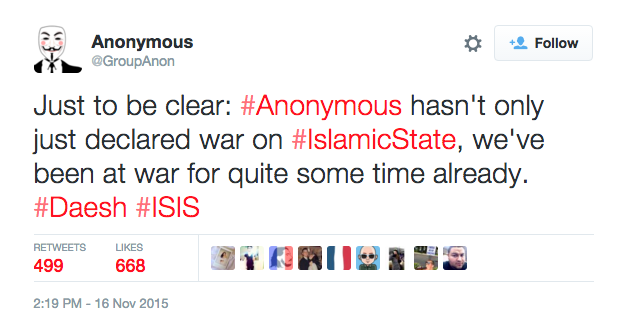
Image via Twitter @GroupAnon
Now, how effective can a virtual declaration of war be in taking down a militant group that is active? According to cyberwarfare expert David Gewirtz, cyberattacks may not be able to "take terrorists off the field", but it can cause a huge disruption in the terrorists' operations.
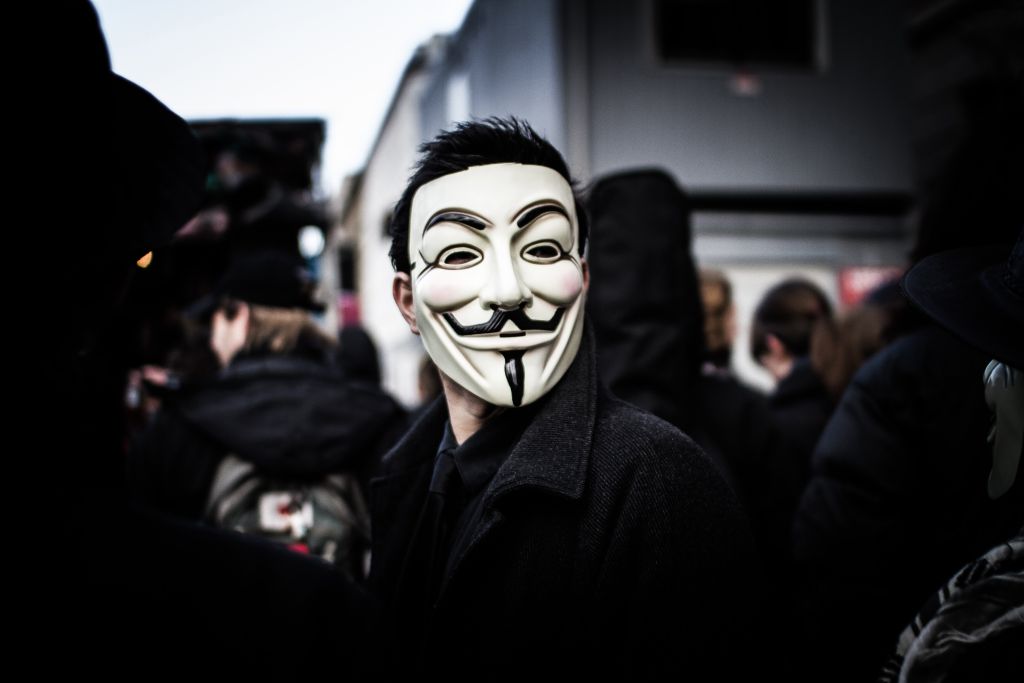
Image via Fortune
Anonymous' cyberwarfare would most likely involve taking over and/or outright hacking of ISIS-affiliated websites and social media platforms, as these are the militant group's main recruitment channels
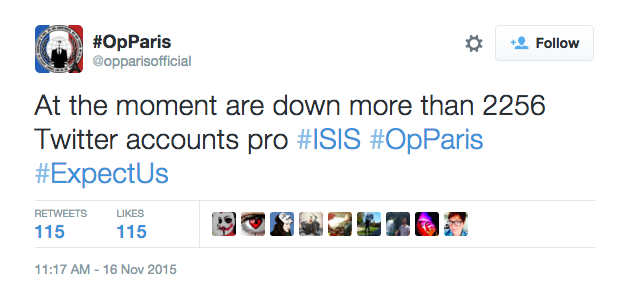
Image via Twitter @opparisofficial
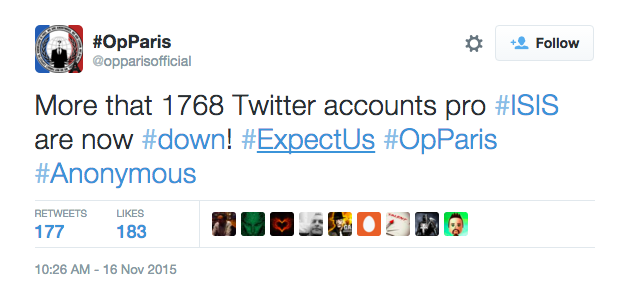
Image via Twitter @opparisofficial

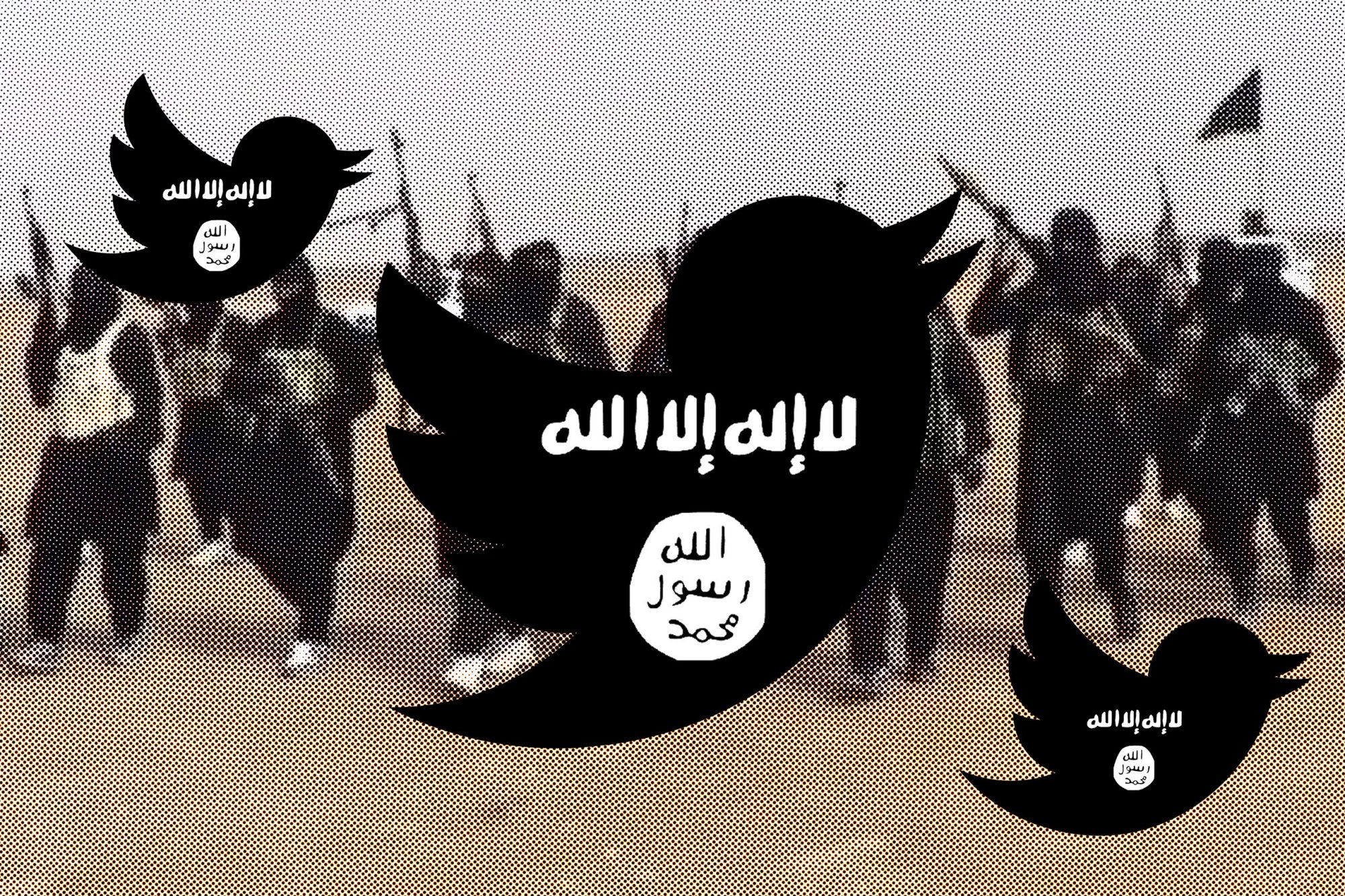
Image via The Daily Beast
Besides social media takeovers, one of the hacker collective's possible modus operandi would be shutting down websites affiliated with its targets using a form of attack called "distributed denial of service" (DDoS)
Seeing as ISIS' operations primarily rely on donations from their supporters, shutting down their propaganda and donation site in the Dark Web would greatly cripple their major financial sources and hence, their operations
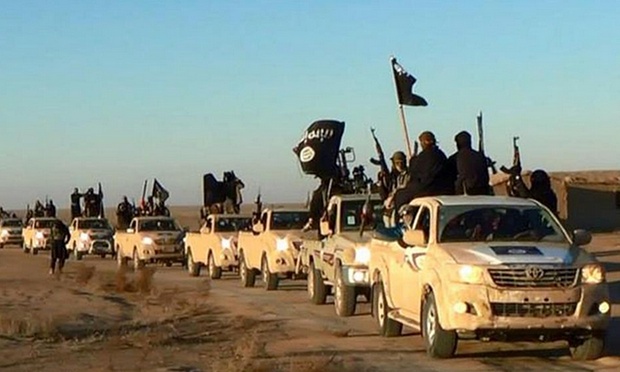
Image via AP / The Guardian
Another possible course of action would be for Anonymous to outright access ISIS' private networks in retrieving battle plans, operative names, and other vital info that could assist in military action, as well as to release personal information about members of ISIS
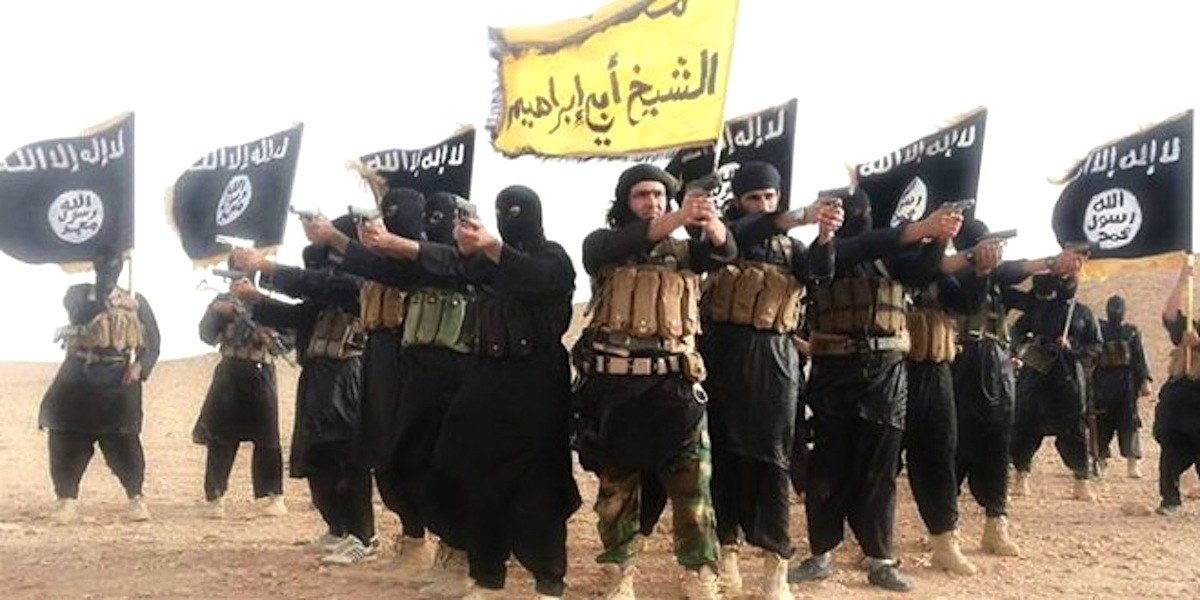
Image via 5News Online

