 Cover image via themalaysianinsider.com
Malaysia recently scored a 'D' in Transparency International's Government Defense Anti-Corruption Index, indicating that the nation is at a high risk of corruption in its defense sector


What is the Government Defense Anti-Corruption Index (GI)?
An analysis by the global corruption watchdog, Transparency International (TI), measures the level of corruption risk in 82 countries across the globe to shed light on the risk levels of corruption in each country's defense and security ministry.
Each country's government is assessed in five main areas of risk in security and defense sector, namely, **political, financial, personnel, operations, and procurement risk.**
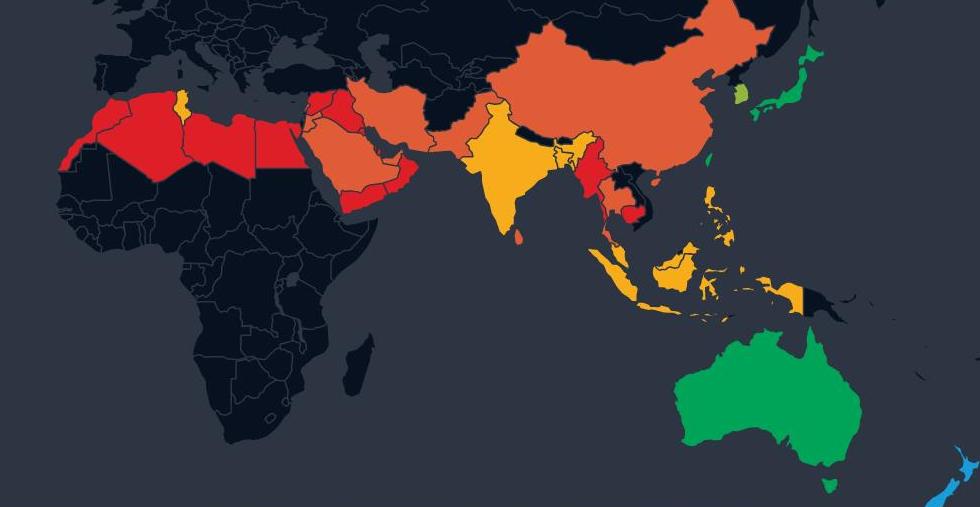
The colors of the country indicates the grades that the country was branded with under the anti-corruption index
Image via Government Defense Anti-Corruption Index
According to Transparency International (TI), these categories are closely related to the defense and security department, thus when assessed, TI would be able to estimate the corruption risk levels of a nation's defense ministry
These are the five different areas assessed to determine the corruption risk levels in security and defense ministry:
**Political risk** studies the risk of defense legalisation and laws being influenced or compromised by corruption.
**Financial risk** involves the potential abuse of defense budgets or income being misused.
**Personnel risk** comprises corruption among defense ministry personnel or armed forces.
**Operations risk** is corruption that may occur during military operations both home and abroad.
**Procurement risk** involves corruption that occurs when purchasing defense equipment.
How are the five key factors assessed?
The study grades the governments with grades ranging from A-F (from low to critical corruption risks).
Very few countries usually make it to the top two grades, most countries usually swing between the bottom three grades.
The countries are graded according to its level of transparency and the measures taken to lessen any corruption risk that arises.
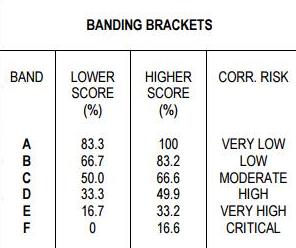
Image via Transparency International
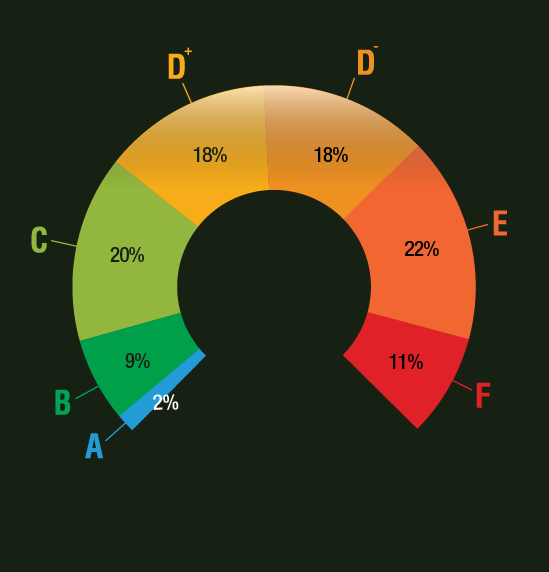
The last time TI ran this survey, Malaysia scored a D- and two years later, this year, the country's score has elevated to a D, which means that we still have a high risk of corruption in the defense and security sector
**Malaysia's best score, a 'C', was for the personnel sector, which indicates that there is a moderate risk of corruption among defense ministry and armed forces personnel.**
We scored the lowest for the operations risk, an 'E', which translates into a very high risk of corruption in military operations either domestic or international.
As for procurement, financial and political risk, Malaysia scored a 'D', indicative of high risk of corruption in these three different areas.
Why are such high levels of corruption risk in Malaysia's defense and security ministry worrying?
A country's defense sector is its protective shield against all harmful forces, both external and internal. If corruption is allowed to grow or is left unheeded in this area, then it not only wasteful of the government's funds but is also dangerous for the people living in the country.
Corruption can pave the way into treachery and mistrust and eventually affect the efficiency of the defense and security department of a nation.
A country that has a weak defense and security department puts the country at risk of being penetrated by other countries or external forces.