 Cover image via gmanews.tv
An explosion rocked a night market in Davao City on Friday night, September 2, killed at least 14 people and injured more than 60 said Presidential Spokesman Ernesto Abella
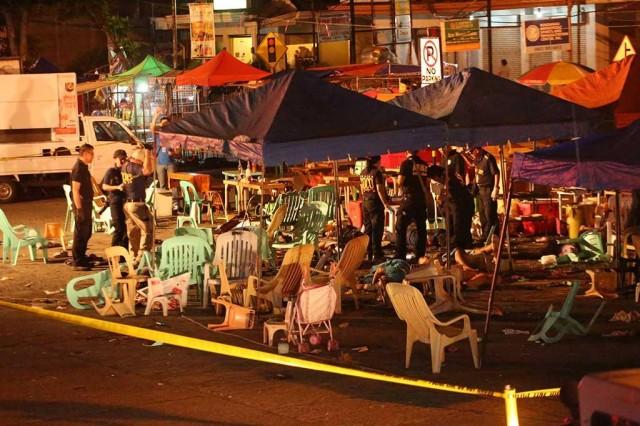
In a statement early Saturday, September 3, Davao City Vice Mayor Paolo Duterte confirmed that 10 people died on the scene following the explosion, which occurred around 10:20 pm at the market along Roxas Avenue. Four others later died after being rushed to the hospital.
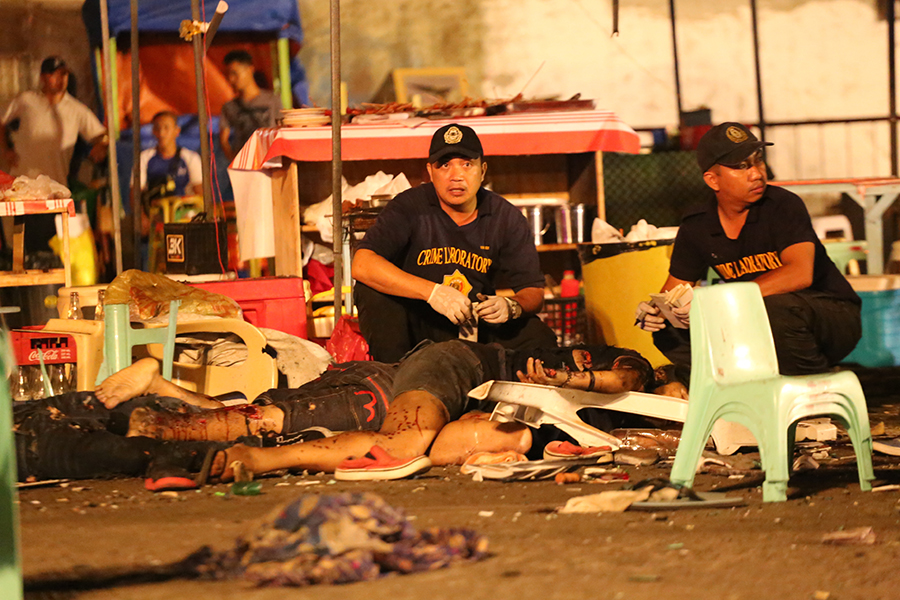
"Let us pray for the victims of this unfortunate incident, especially for those who died. Let us pray for those who are being treated in different hospitals and pray for their quick recovery," the vice mayor said in a report of [Rappler](http://www.rappler.com/nation/145033-explosion-roxas-night-market-davao-city).
Terror organization Abu Sayyaf claimed responsibility for the explosion
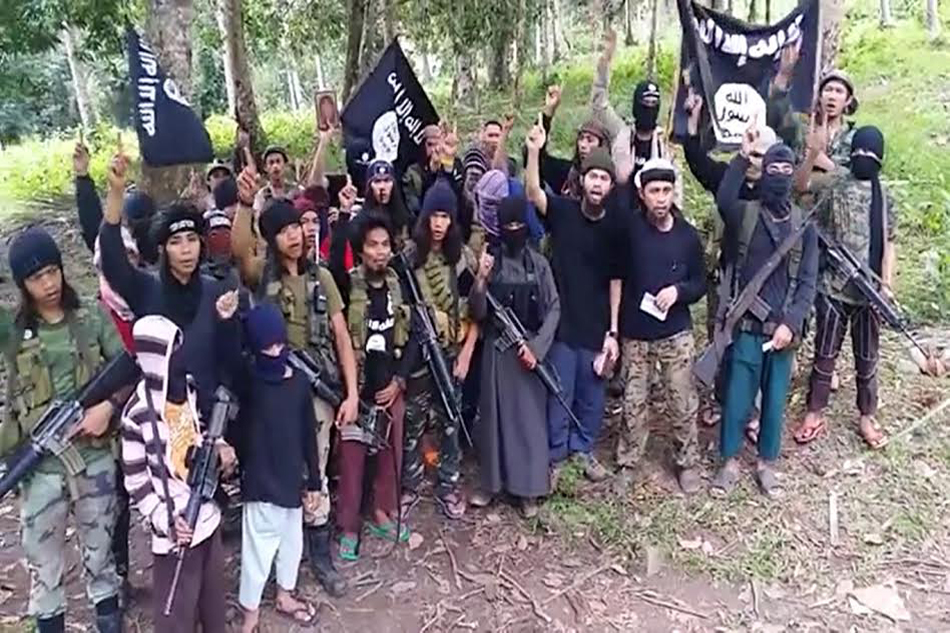
The group's spokesman, Abu Rami, admitted the group was behind the blast near the Jesuit-run Ateneo de Davao University and a five-star hotel.
President Rodrigo Duterte, who on Saturday morning declared a nationwide "state of lawlessness," said investigators were looking at other possible suspects, including drug syndicates, which he has targeted in a bloody crackdown said in a report of [Philstar](http://www.philstar.com/headlines/2016/09/03/1620059/abu-sayyaf-claims-responsibility-davao-blast).
Interior Secretary Ismael Sueno said authorities are on high alert after the Abu Sayyaf's announcement and the president's declaration.
**"We will continue to take orders from our commander-in-chief President Rodrigo Duterte. At this time, strict measures are being implemented to avoid the repeat of the same incident," Sueno said in an issued statement.**
We came up with the 7 things you need to know about the Davao blast to summarize what happened, how social media users reacted to it and what could be done to protect each other from this terrorist acts of the Abu Sayyaf Group
1. Investigations say that two women left the bag
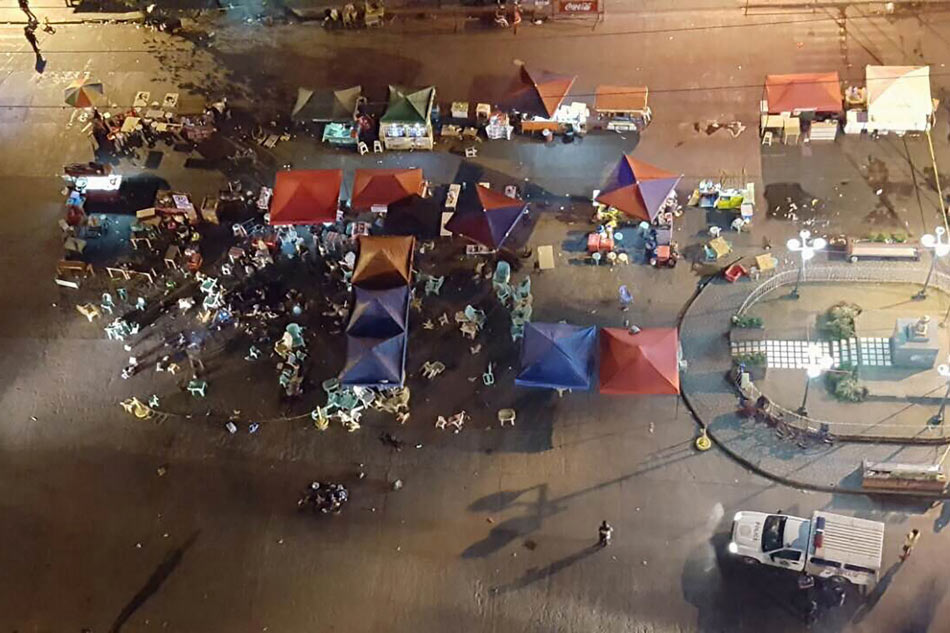
Two women hurriedly left a bag at a night market in Davao City before a powerful blast that left scores dead and wounded went off, two survivors of the attack said Saturday on a report of [ABS-CBN News](http://news.abs-cbn.com/news/09/03/16/davao-blast-survivors-claim-2-women-left-bomb).
The two women in the long row of massage stations and food stalls on busy Roxas street.
Masseuse Rhea Rolida's said her sister, who was among the 14 fatalities in the attack, was positioned near the said unattended bag.
"The bombers were two women dressed in ordinary clothes and blended with the public. They were acting strangely because they were in a hurry," Rolida, who suffered bruises on her ear, told DZMM.
2. MILF rebels condemned the said blast, and is willing to help the government
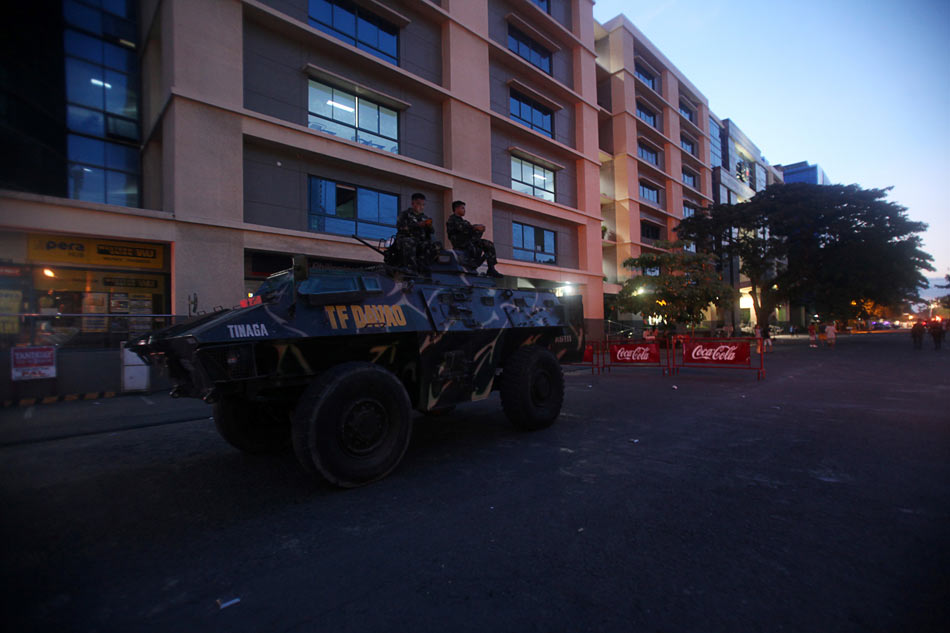
The Moro Islamic Liberation Front (MILF) offered to assist President Rodrigo Duterte in whatever way it can.
"Kinonkondena namin sa leadership ng MILF yung pagpasabog ng bomba sa lungsod ng Davao. Sapagkat yung pagpasabog ng bomba na nagresulta sa pagkamatay ng maraming tao ay hindi karapat dapat na ginagawa ito ng sino mang tao na matino ang pag-iisip [The MILF leadership condemns the bomb attack in Davao City. This attack, which has resulted in the loss of many lives, should not have been done by someone in the right mind]," MILF Vice Chairman Ghazali Jaafar said.
3. The PNP Chief warns of bomb attacks in other cities
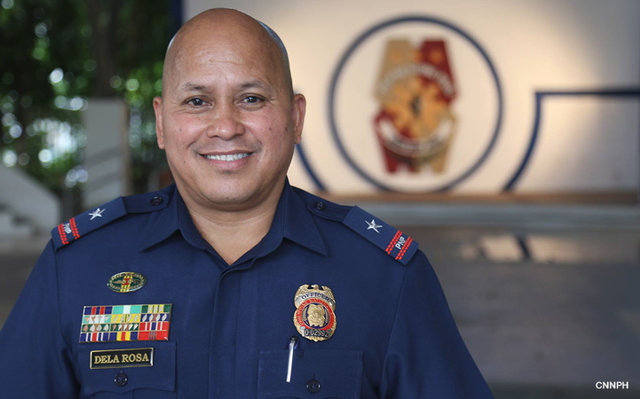
Philippine National Police (PNP) chief Ronald "Bato" dela Rosa on Saturday night said perpetrators of the deadly Davao City blast may also hit the country's other major cities said in a report of [GMA News](http://www.gmanetwork.com/news/story/580047/news/nation/pnp-chief-davao-blast-culprits-may-hit-other-cities?utm_source=GMANews&utm_medium=Facebook&utm_campaign=GMANewsFacebook).
"Posible 'yan. They are able to do it here in Davao, why not in other cities?" Dela Rosa said at a press conference when asked if other cities in the country are being targeted by terror groups.
"Kaya nga we are encouraging the vigilance of all the Filipinos. We don't want you to panic, we want to to stay calm. At the same time we want you to be vigilant and be alert of our surroundings," he added.
4. The US is willing to help in the probe of the blast

United States government stands ready to assist the Duterte administration in its investigation of the explosion in Davao City on Friday night that killed at least 14 people and left 67 others injured, the US Embassy in Manila said.
Molly Koscina, spokesperson at the embassy, told the Inquirer in a telephone interview the US government stood ready to help in the investigation to find out who was behind the bloody attack.
"The US and the Philippines have a standing 70 years of deep bilateral cooperation in many areas and the US stands ready to assist in the investigation of the bombing," said Koscina on Saturday.
5. Duterte kisses dead victim of Davao
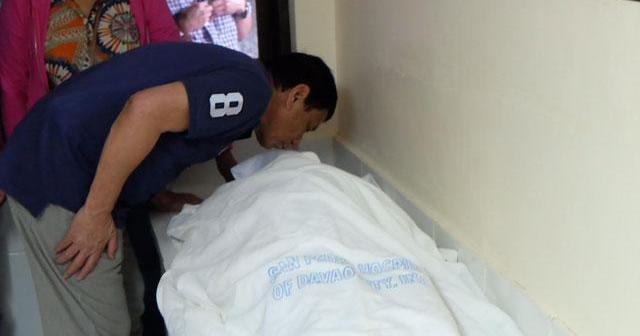
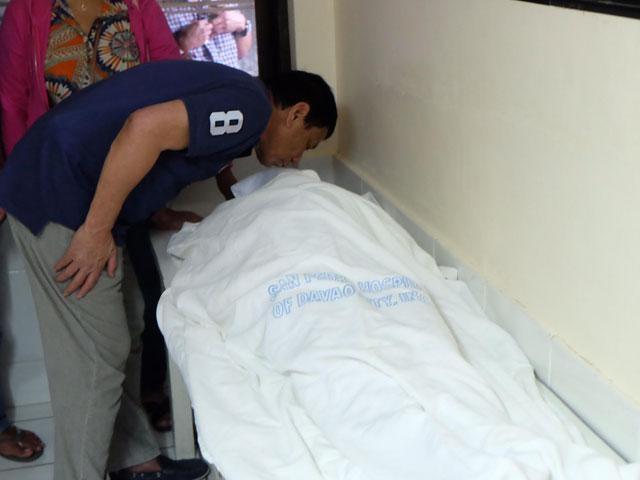
President Rodrigo Duterte on Saturday visited the victims of the bloody Davao City blast confined in at least four hospital said in a report of [GMA News](http://www.gmanetwork.com/news/story/580024/news/nation/duterte-kisses-dead-victim-of-davao-blast?utm_source=GMANews&utm_medium=Facebook&utm_campaign=GMANewsFacebook).
In one of the photos from Malacañang, Duterte was seen kissing one of the dead victims of the night market blast on Friday night, which killed 14 people and injured more than 60 others.
6. How did the majority react to this situation?
7. What is the 'State of Lawlessness'?
Presidential Spokesman Ernesto Abella, the said declaration was provided for under the 1987 Constitution.
Abella quoted Article VII, Section 18 of the charter, which read: "The President shall be the Commander-in-Chief of all armed forces of the Philippines and whenever it becomes necessary, he may call out such armed forces to prevent or suppress lawless violence, invasion or rebellion."
Duterte said the declaration would be in place until he feels that everyone "is already safe" from the threat of terrorism.