


 Cover image via
Follow us on Instagram, TikTok, and WhatsApp for the latest stories and breaking news.
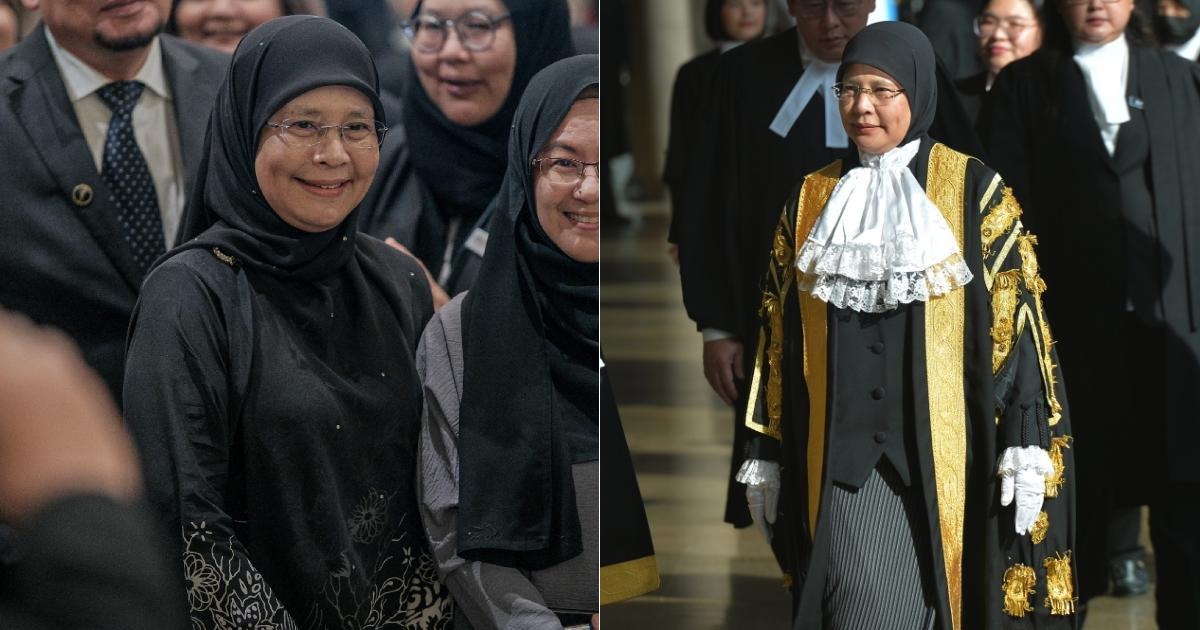
After six years as Malaysia's top judge, Tun Tengku Maimun Tuan Mat officially stepped down as Chief Justice on 1 July 2025
As the country's first woman Chief Justice, Tengku Maimun leaves behind a legacy shaped by bold constitutional interpretation, a firm stand on civil liberties, and groundbreaking checks on religious and executive power.
Below are five of the most significant rulings that defined her time in the office:

Chief Justice Tun Tengku Maimun Tuan Mat in the centre.
Image via Yusof Mat Isa/Malay Mail1. Upholding Datuk Seri Najib Razak's conviction in the SRC International case in 2022
In August 2022, Tengku Maimun led the Federal Court in unanimously rejecting the former prime minister's final appeal in the SRC International corruption case.
The decision affirmed Najib's 12-year jail sentence and RM210 million fine, making him the first former prime minister in Malaysian history to be imprisoned for corruption.
Her bench had earlier also dismissed his bid to introduce fresh evidence, firmly closing the door on any last-minute legal manoeuvring.
It was a pivotal moment in Malaysian political and judicial history, demonstrating that no one is above the law, regardless of status or office held.
2. Striking down Kelantan's Syariah Criminal Laws in 2024
In a landmark ruling in February 2024, the Federal Court ruled that 17 provisions in the Kelantan Syariah Criminal Code were unconstitutional, including offences related to sodomy, false evidence, and intoxication.
The 8–1 decision, led by Tengku Maimun, reaffirmed that only Parliament has the power to legislate criminal law, not state assemblies.
The judgment drew clear lines between federal and state powers and sparked nationwide debate over the scope of Syariah law in a constitutional democracy.
3. Reaffirming the illegality of unilateral child conversion in 2014 and 2024
Back in 2014, as a Court of Appeal judge, Tengku Maimun dissented in a high-profile case involving the unilateral conversion of children by one parent without the other's consent.
Her minority opinion, arguing that both parents must agree to a child's religious conversion, was later vindicated by the apex court.
In 2024, the Federal Court upheld that position once again, reinforcing her long-standing view that parental rights and religious freedom must be balanced under the Federal Constitution. It remains a cornerstone case in ongoing debates over religious authority and family law.
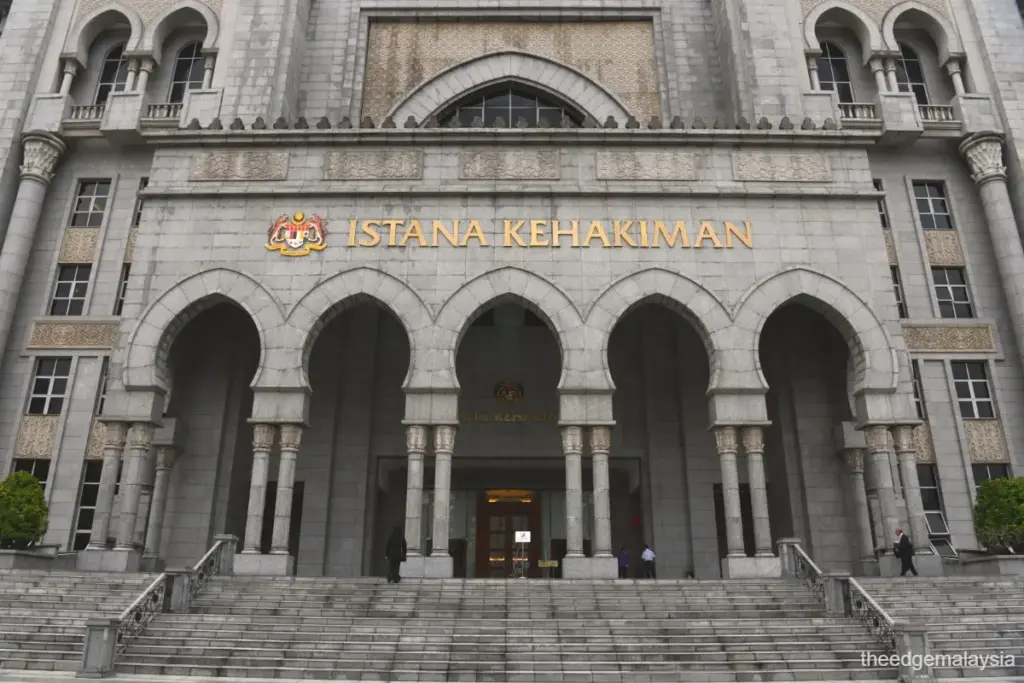
4. Limiting the reach of religious fatwas on companies in 2025
In one of her most recent decisions last month, the Federal Court ruled that fatwas cannot be applied to companies, after Sisters in Islam (SIS) challenged a 2014 Selangor fatwa that labelled liberalism and pluralism as deviant.
The court held that a religious edict cannot bind a company registered under the law, especially when it operates in the realm of civil society.
The decision reinforced that civil and corporate entities fall under civil, not religious, jurisdiction and protected constitutional rights to freedom of expression and association.
5. Striking down a restrictive provision in the Peaceful Assembly Act in 2025
On the very last day of her tenure, yesterday, 1 July, Tengku Maimun led a unanimous decision to strike down Section 9(5) of the Peaceful Assembly Act, which criminalised organisers for failing to give police a five-day notice before a public rally.
The court ruled the provision unconstitutional, finding it a disproportionate restriction on the constitutional right to peaceful assembly under Article 10.
The ruling has been hailed by activists and civil society groups as a crucial win for democratic space and public dissent.
Across these rulings, Tengku Maimun didn't just uphold the Constitution; she actively clarified and strengthened its boundaries
Whether it was shielding individual rights, affirming legal due process, or curbing overreach by religious or executive authorities, her judgments have reshaped Malaysian legal doctrine in lasting ways.
As the country awaits her successor, legal observers widely agree: her legacy won't just be remembered, it will be cited for decades.

