16 Things You Need To Know About Malaysia’s Controversial New Anti-Terrorism Act POTA
After 15 hours of debate in the Dewan Rakyat till 2.26am, the Prevention Of Terrorism Act 2015 (POTA) has been passed with 79 votes, to the dismay of the 60 lawmakers who are afraid it is a reincarnation of the ISA.


 Cover image via imgur.com
1. POTA, or the Prevention Of Terrorism Act 2015, was tabled following the rise of ISIS and fears of terrorist threats
2. It is meant to crack down on terror threats on the nation and to stop Malaysians from supporting terrorist organisations
3. Critics fear that POTA is a reincarnation of the draconian Internal Security Act (ISA) to detain political prisoners

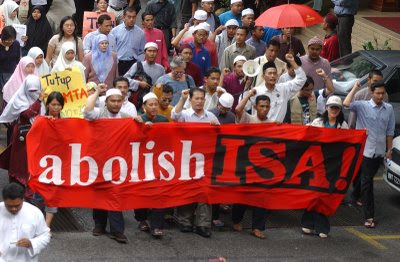
4. Under the proposed law, police can arrest any person without a warrant as long as they suspect the person is involved in terrorist activities
5. Suspects can be detained for up to two years, which can also be extended indefinitely. There is no guarantee of legal representation for the suspects.
6. Suspects cannot have their case heard in any court as judicial reviews are not allowed. The Prevention of Terrorism Board has the final say.
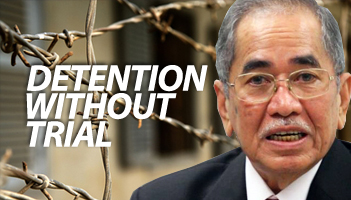
7. The Yang di-Pertuan Agong will appoint five to eight people to chair the Prevention of Terrorism Board. They have the power to decide the detention order of suspects.

8. Suspects released under a restriction order could be asked to wear an electronic monitoring device and will be under police survelleilance
9. The decision of the Board cannot be challenged unless on procedural matters
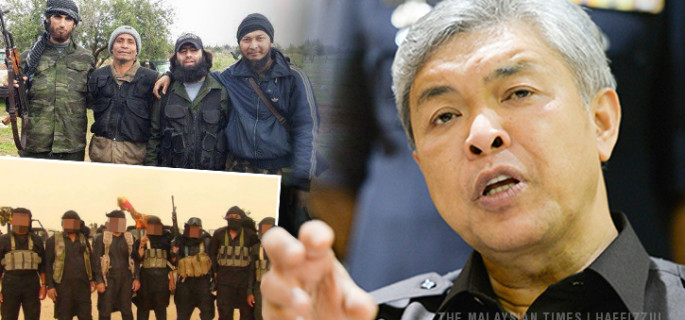
10. The Home Minister will appoint Inquiry Officers with powers to do as they see fit during the course of an investigation
According to this [article (http://www.themalaymailonline.com/opinion/khairie-hisyam-aliman/article/five-reasons-why-pota-is-scary), The powers proposed to be bestowed upon the Inquiry Officer by the Bill are powerful and plenty. It empowers the Inquiry Officer to procure evidence by any means he feels necessary during an investigation against a suspect. He may also use his own discretion to demand any document, direction, access to detainee solely based on his opinion.
And the access comes without allowing the suspect or his lawyer or any of his representative to be present when the Inquiry Officer meets with whoever he is demanding access to.
To summarise, the Inquiry Officer under the Prevention of Terrorism Act has wide-ranging powers that borders on legal discretion to do as he sees fit — as long as the Officer believes that it suits the investigation he is pursuing.