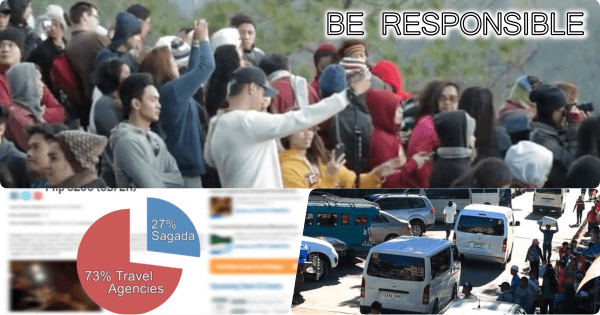

VIDEO: "Sagad na ang Sagada" is a documentary that shows the negative impact of mass tourism in Sagada, Mountain Province
The video was made by St. Scholastica's College-Manila. The video documents how commercialization affected the town of Sagada. The boom started when the roads were constructed. Years ago it was very difficult to reach Sagada and it takes 2 trips from Manila. Now, since the highways are better, it's easily accessible.
From 5000 tourists a year, it sprung to 60,000 tourists.
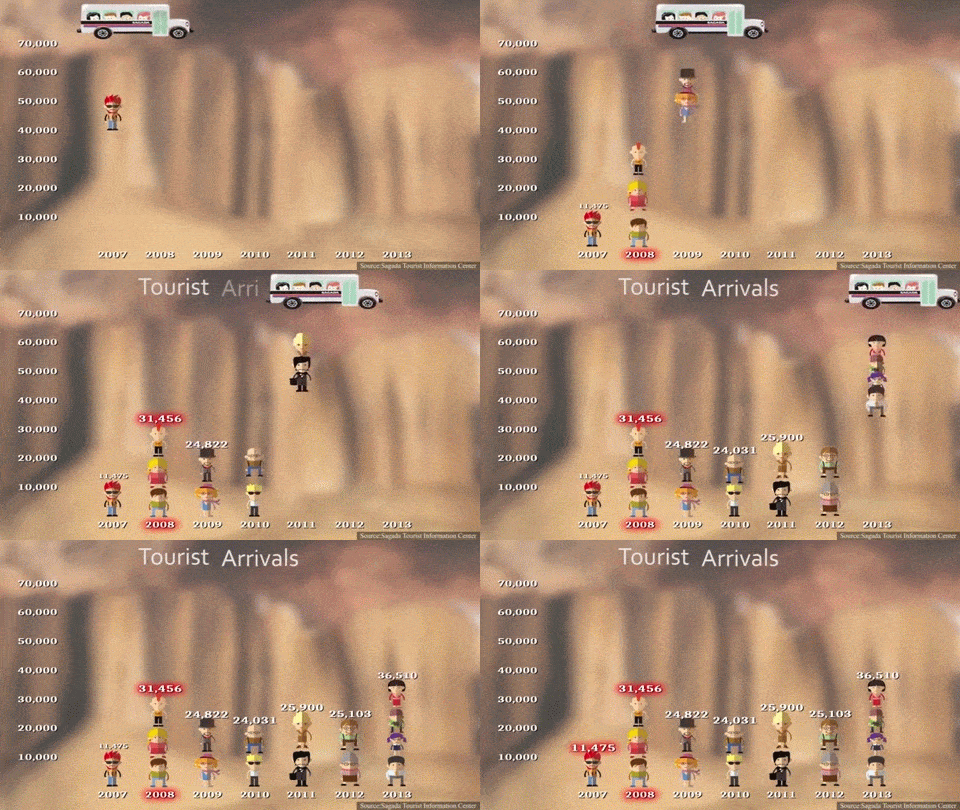
Image via Sagad na ang Sagada
Tourism is great. It generates a lot of money but who is benefitting from it?
Yes, tourism is great. It generates money for the local government and gives the locals job opportunities and added income. But when is it too much? Another question as well is: Kaya ba ng Sagada ang ganito karaming turista? (Can Sagada handle this much tourist?)
The video also showed that only 27% of the profit from tourism goes to the Sagada and 73% goes to travel agencies.
From the video, we came up with 10 things to remember when you are visiting as a tourist. We need to become mindful and be responsible with our actions. These actions will directly affect nature and the people inhabiting it.
From possible landslides, destruction of natural treasures such as caves and "bastardizing" the culture of the locals.
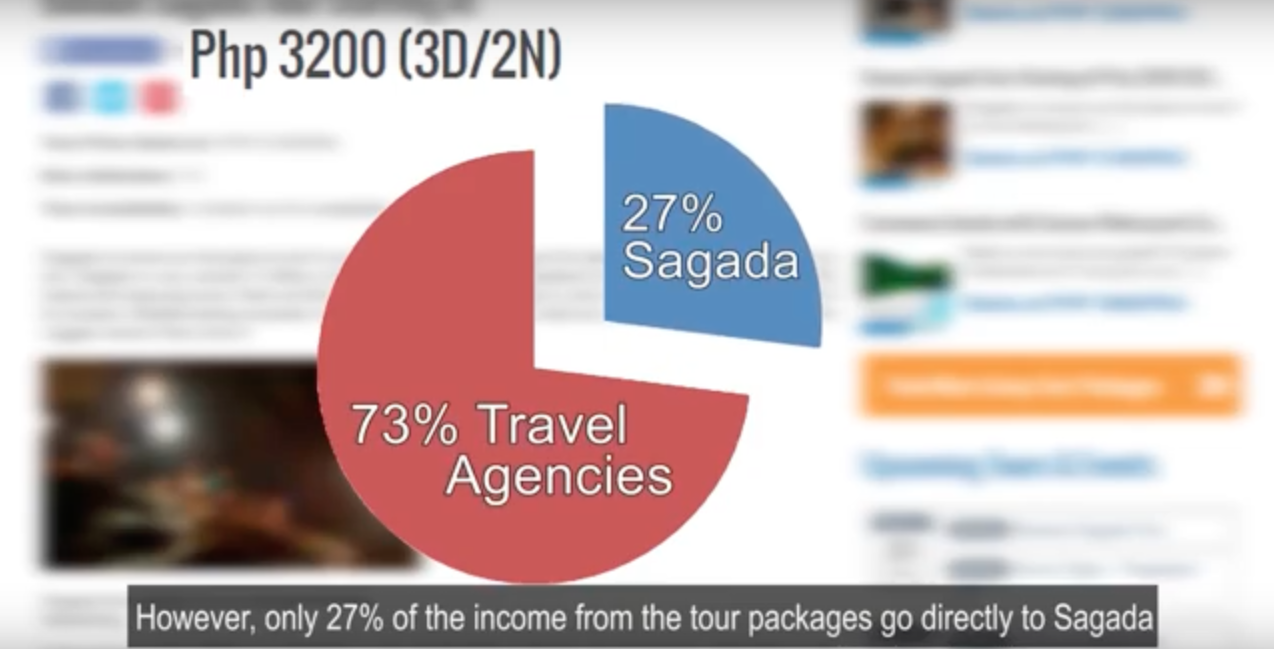
Image via Sagad na ang Sagada
1. Park your cars properly
In the video, it showed that the streets were very crowded. It's a factor that the streets in Sagada are very narrow and steep. But the added tourism in the place also shows that cars are piling up in multitude. Sometimes, transport cannot pass the roads because cars use the streets for parking. There are designated places to park. We just need to exert more effort in finding them. Also, don't be afraid to walk if you park farther than expected from your destinations.
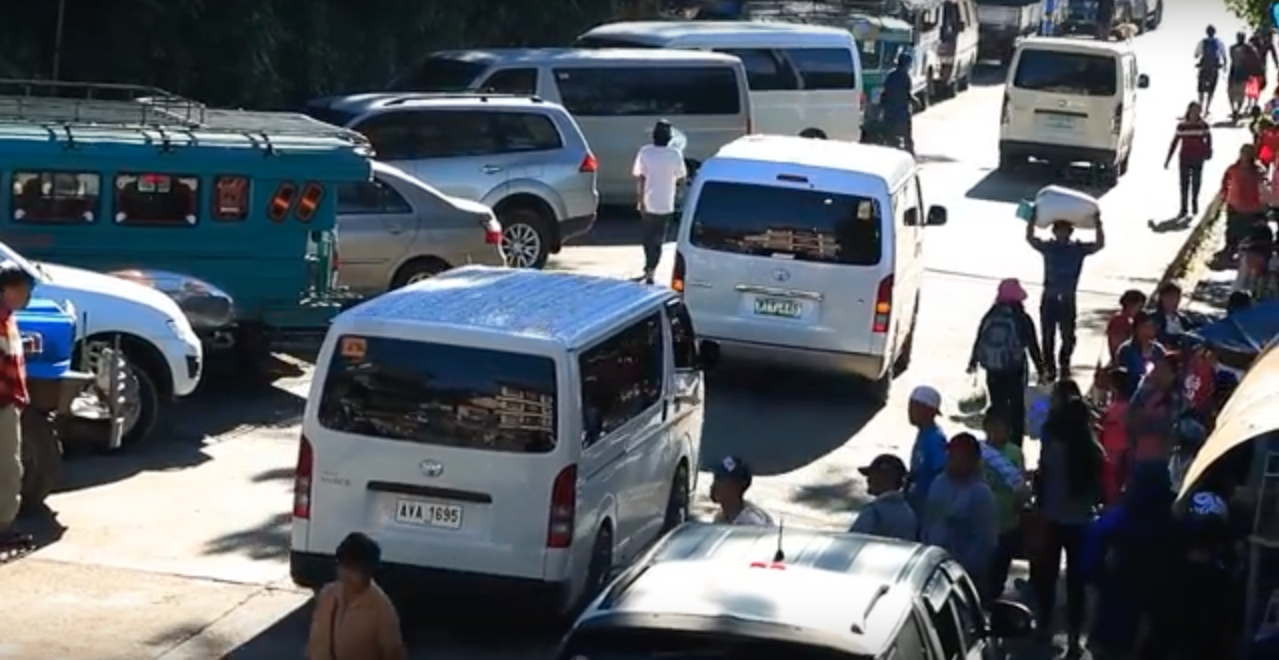
Image via Sagad na ang Sagada
2. Use 1 car instead of multiple ones
We love traveling with friends and family. The great thing about this is that we can use only 1 car/van instead of bringing multiple cars with us. Choose to do this–better if we can use public transportation so that we can eliminate hundreds of cars. In this day, it's easier to take public transportation to Sagada. It won't even be a hassle.

3. Have a "responsible mindset"
Responsible tourism advocate, Tracy Santiago advised the tourists to always have a "responsible mindset." We should always be aware of our surroundings and the people who live and thrive there. We should always think of their well being and the well being of nature. Knowing that there are direct negative implications to our actions will make us stop and think first before doing anything.
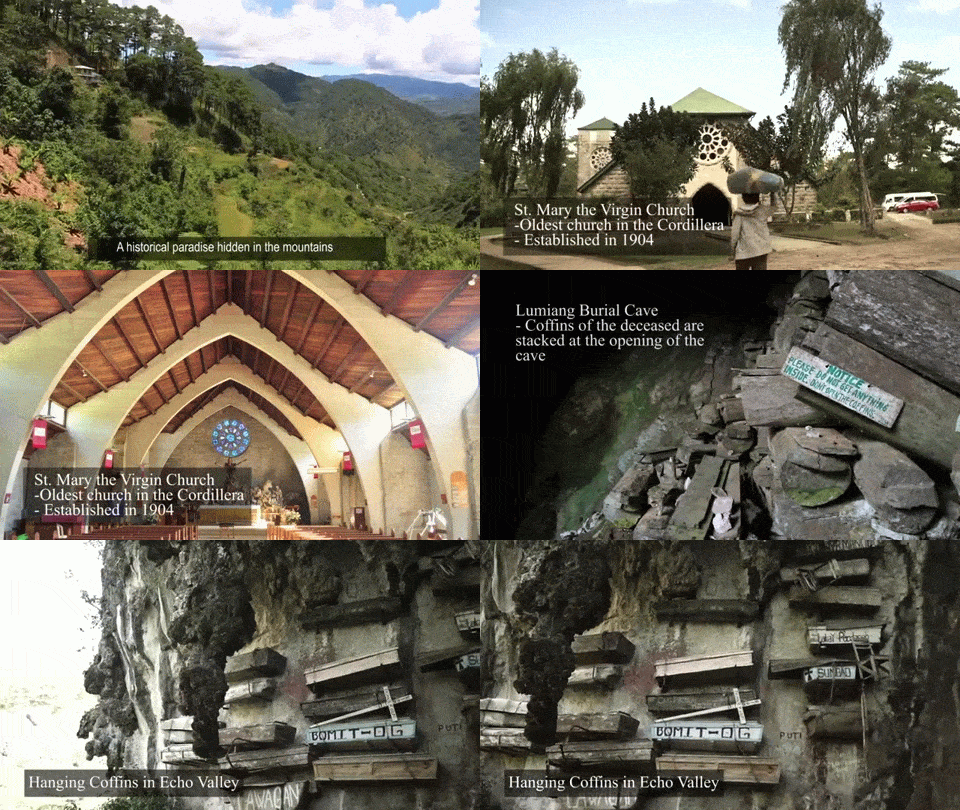
Image via Sagad na ang Sagada
4. Throw your trash at the proper bins
I know that sometimes, there aren't any proper disposal bins in sight. A good tip is to carry with you a "portable trash bag." I like to recycle my plastic or paper bags from the grocery and place my trash there first and dispose them later when there are proper bins in sight.
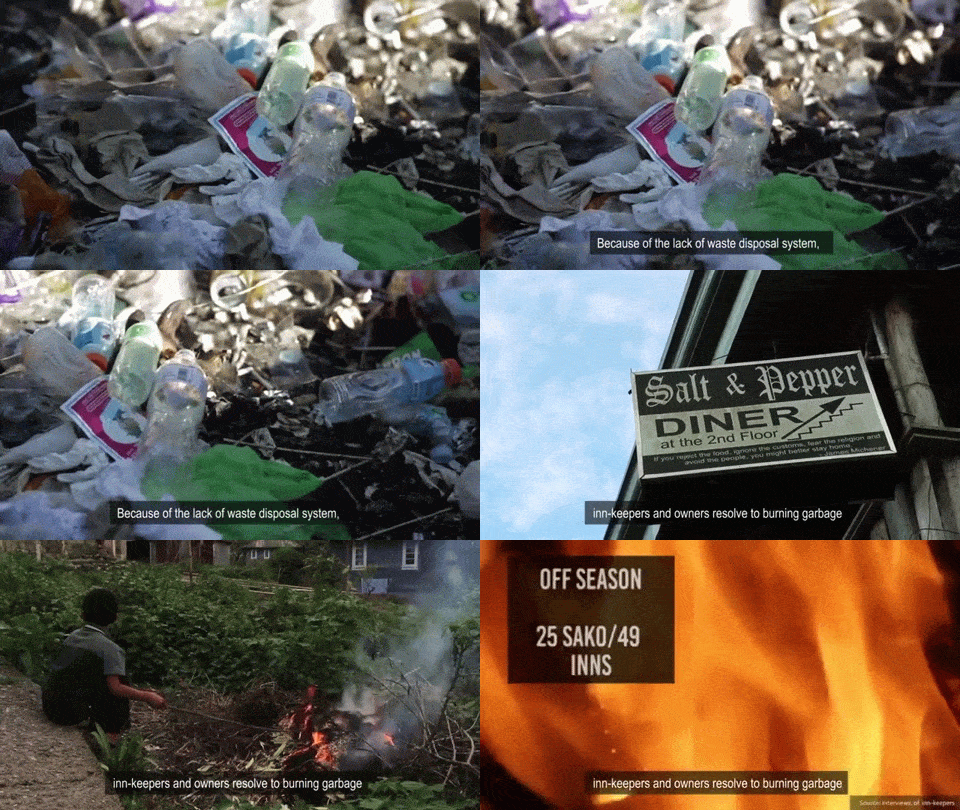
Image via Sagad na ang Sagada
5. Do not waste water
Many inn-keepers are worried of their water supply. Sagada doesn't have the same sophisticated water systems like in Manila. They say that some tourists wouldn't be mindful of their water consumption and would use water infinitely in their showers.
Try to have a quick shower instead of a long tedious bath. Water is scarce and we shouldn't take this lightly.
6. Don't remove anything from nature
We've heard multiple stories of people bringing sand home from Boracay. Let's all remember that nature is not our souvenir. We can't bring home whatever we please. It is not ours to begin with.
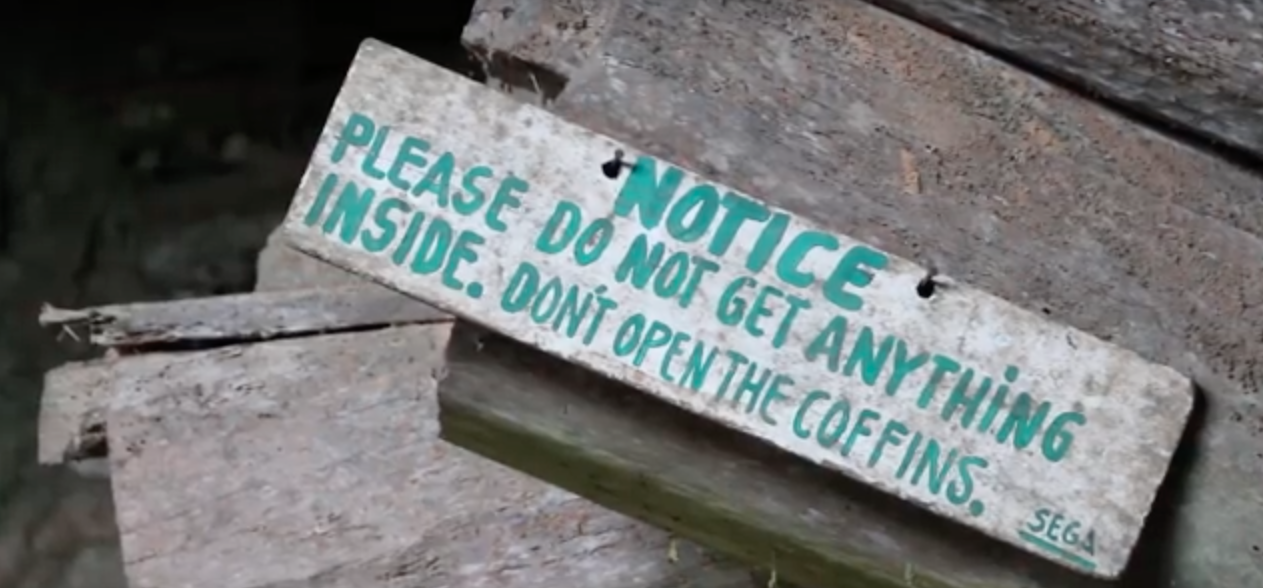
Image via Sagad na ang Sagada
7. We should treat tourist places with respect
The Lumiang Burial Cave in Sagada is not just a cave. It symbolizes their beliefs in after life. One incident angered the people of Sagada: A couple took their prenuptial wedding shoot inside the cave. The locals saw it as a great disrespect.
As much as we want to capture our greatest life moments in beautiful places, let's be mindful of what it means to the locals' heritage.
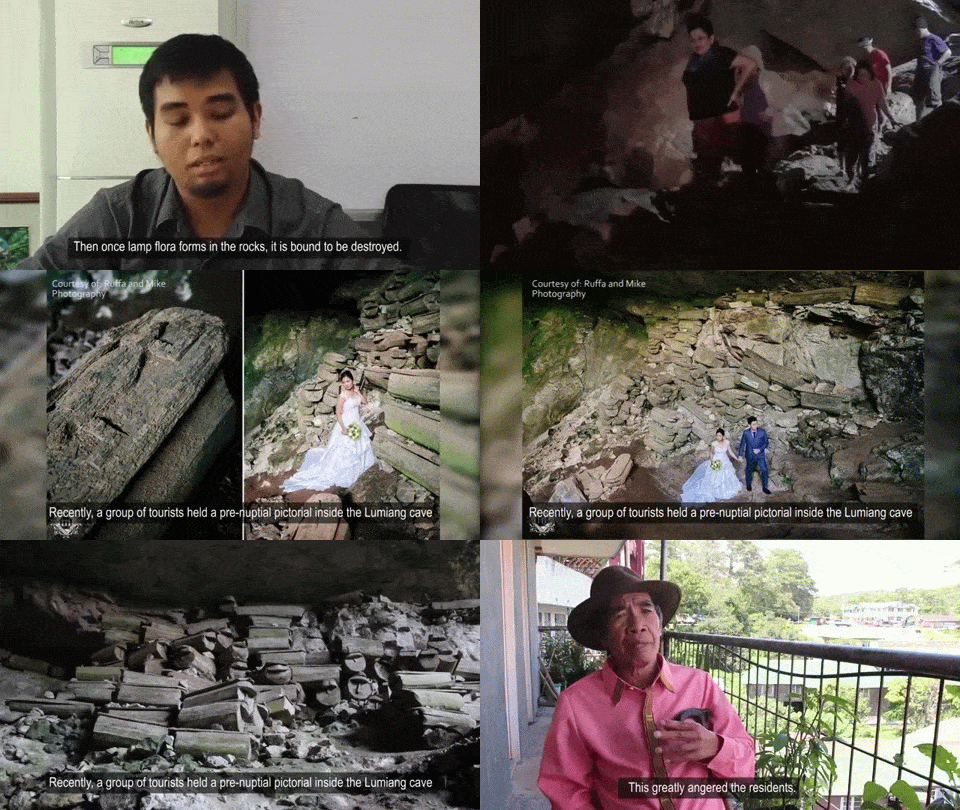
Image via Sagad na ang Sagada