


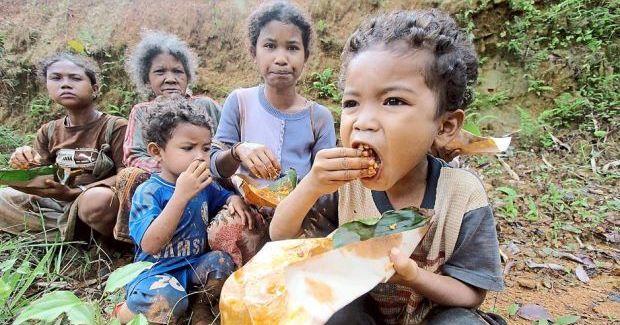
 Cover image via The Star
Did you know that rural Sabah has the highest poverty rate in Malaysia as of 2014?
A recent report by the United Nations Millennium Development Goal 2015 revealed the sad truth about the state of Sabah's Bumiputera households that fall below the poverty line.
United Nation's Millennium Development Goal is under the UN Millennium Declaration that aims to eradicate extreme poverty and address a set of time-bound targets to improve the development of all countries under the United Nations.
Some of the issues that they focus on are:
– Hunger
– Disease
– Lack of shelter
– Gender equality
– Education
– Environmental sustainability
There's a total of eight goals under UN's Millennium Development for Malaysia, namely;
Goal 1: Eradicate Extreme Hunger and Poverty
Goal 2: Achieve Universal Primary Education
Goal 3: Promote Gender Equality and Empower Women
Goal 4: Reduce Child Mortality
Goal 5: Improve Maternal Health
Goal 6: Combat HIV/AIDS, Malaria and other Diseases
Goal 7: Ensure Environmental Sustainability
Goal 8: Develop A Global Partnership For Development
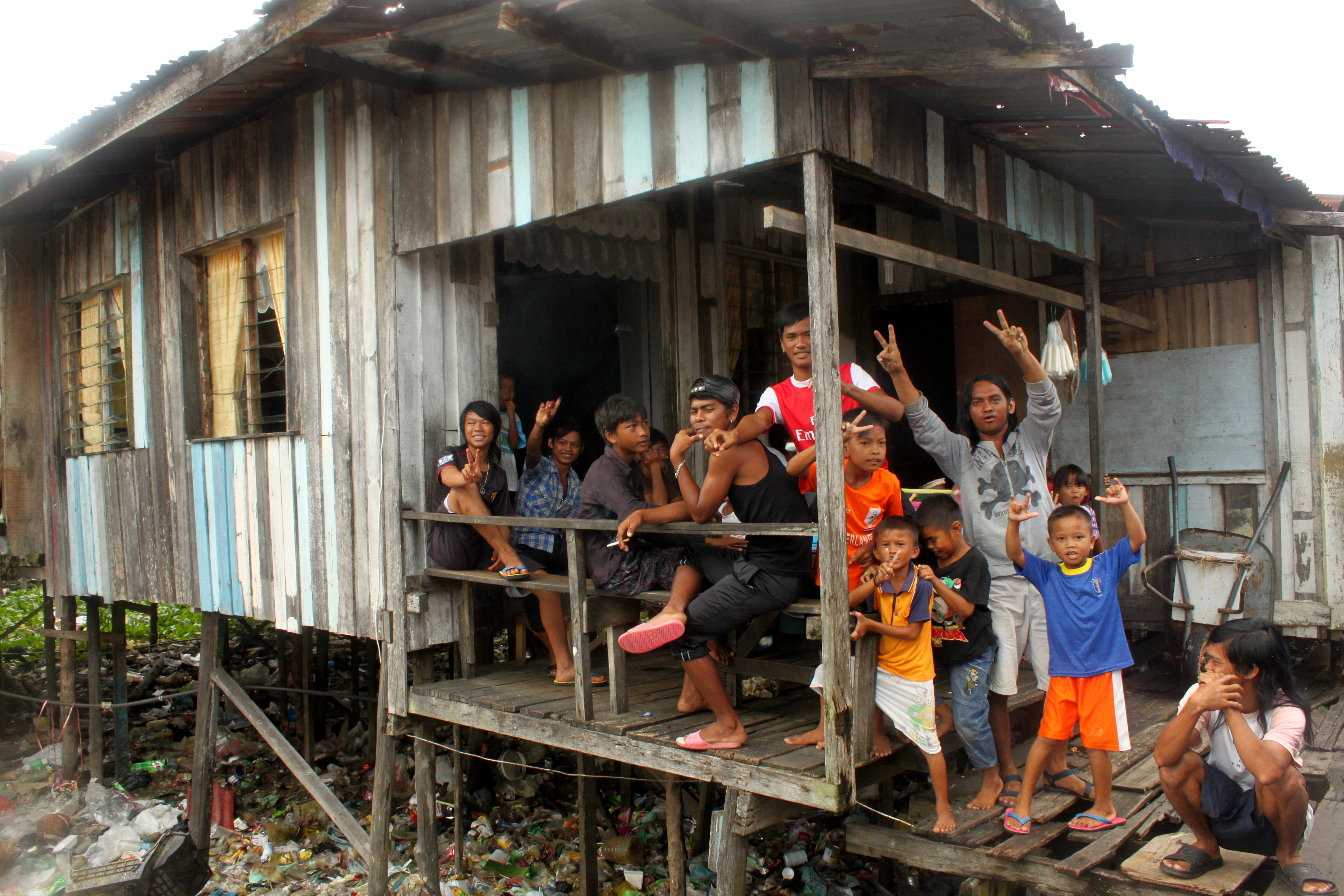
Image via The Vocket
What are the targets of the first goal to eradicate extreme poverty and hunger?

Image via Christianity Malaysia
How is poverty measured in Malaysia?
There are two categories of poverty in Malaysia and they are:
1. Extreme Poverty: Any household that struggles to have basic needs such as food, clothing, and shelter, and earn an average monthly income of less than RM460 in Peninsular Malaysia, less than RM630 in Sabah, and less than RM910 in Sarawak falls under the extreme poverty category.
2. Poor: Households that fall under this category are most often the ones that can afford basic necessities but are unable to afford decent healthcare and education.

Unidentified Orang Asli people thresh rice to remove chaff on Apr 8, 2013 in Berdut, Malaysia. More than 76 of all Orang Asli live below the poverty line, life expectancy, 53 years old. — Photo by dimaberkut
Image via dimaberkut
As a solution to this, the government launched its first poverty eradication strategy in 1971 and in a good 30 years, it managed to reduce a considerable amount of absolute poverty in the country
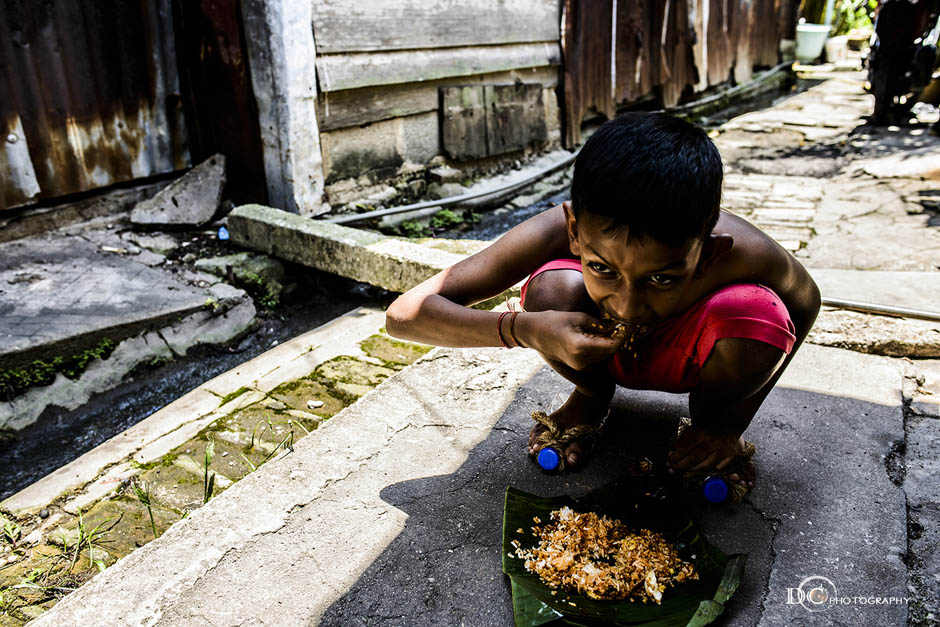
Over the span of three decades, the Malaysia's poverty line was reduced greatly—with the number of households living below the poverty line falling from 409,300 to 40,000 between the years 1999 and 2014

Based on a research by United Nations, almost 34% of Orang Asli households fall under the poor category.
Most of the people who fall under this category are usually involved in the agriculture, forestry or fisheries industry.

As for the state with the highest level of poverty, Sabah, has consistently remained on top of the list with the highest number of poor households with 4% of poverty incidence, as of 2014.
In terms of ethnicity, people who fall under the category of Other Bumiputera, have higher poverty rates compared to other ethnic groups in Malaysia
The 'Other Bumiputera' category includes Orang Asli in peninsular Malaysia and all the indigenous communities in both Sabah and Sarawak.


A December 2014 photo from The Star shows the Orang Asli children eating food that were delivered by helicopter to an area near their inundated village in Gua Musang
Image via The Star
Why do these households fall into the pits of poverty? What influences their financial state?

Image via Lipstiq
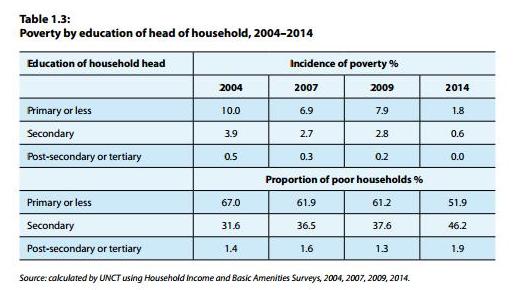
United Nations recently identified a number of reasons that greatly influence poverty rates in Malaysia and two major game-changers are gender and education
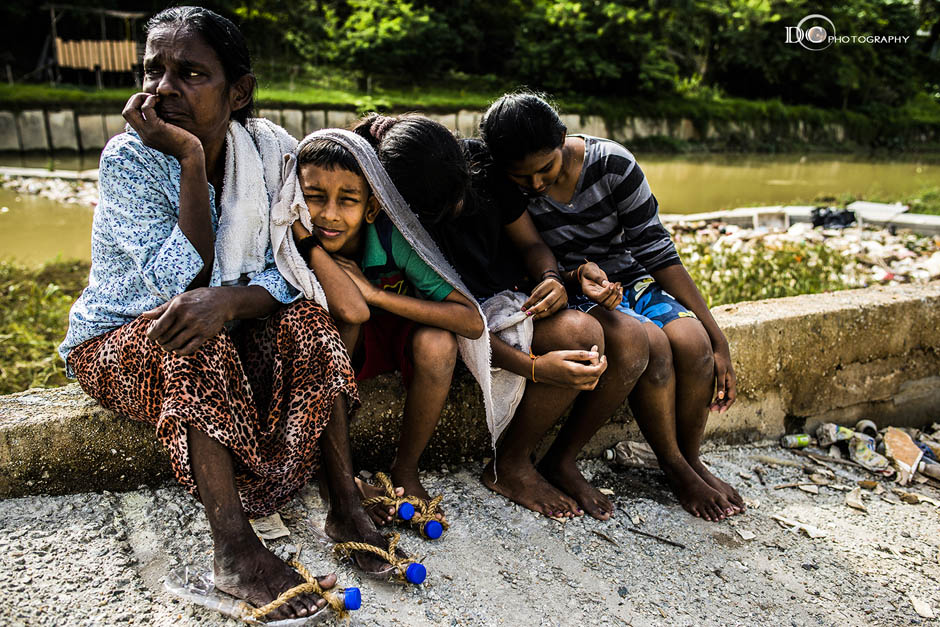
Image via Lipstiq
While gender influences on poverty level might come as a surprise, it is a common knowledge that education is one of the best cures for poverty
So, what has the government been doing to help Malaysia further reduce its absolute poverty level?
The government's New Economic Transformation programme has come up with a set efforts that can reduce poverty rate and lift local communities in the country to a better level.
**The main focuses are:**


Young children in rural parts of Malaysia go through difficult conditions to educate themselves, just so that the cycle of poverty ends with them
Image via Yeo Bee Yin
