


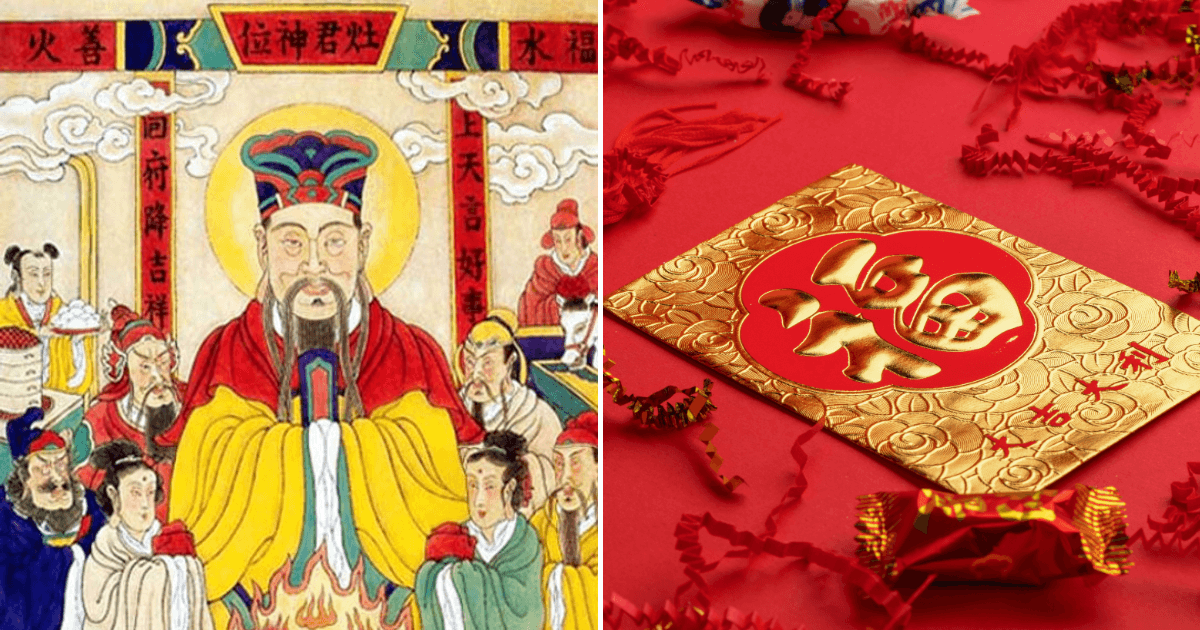
 Cover image via
Follow us on Instagram, TikTok, and WhatsApp for the latest stories and breaking news.
If you grew up in Malaysia, you might have seen a small shrine in the kitchen of some Chinese households
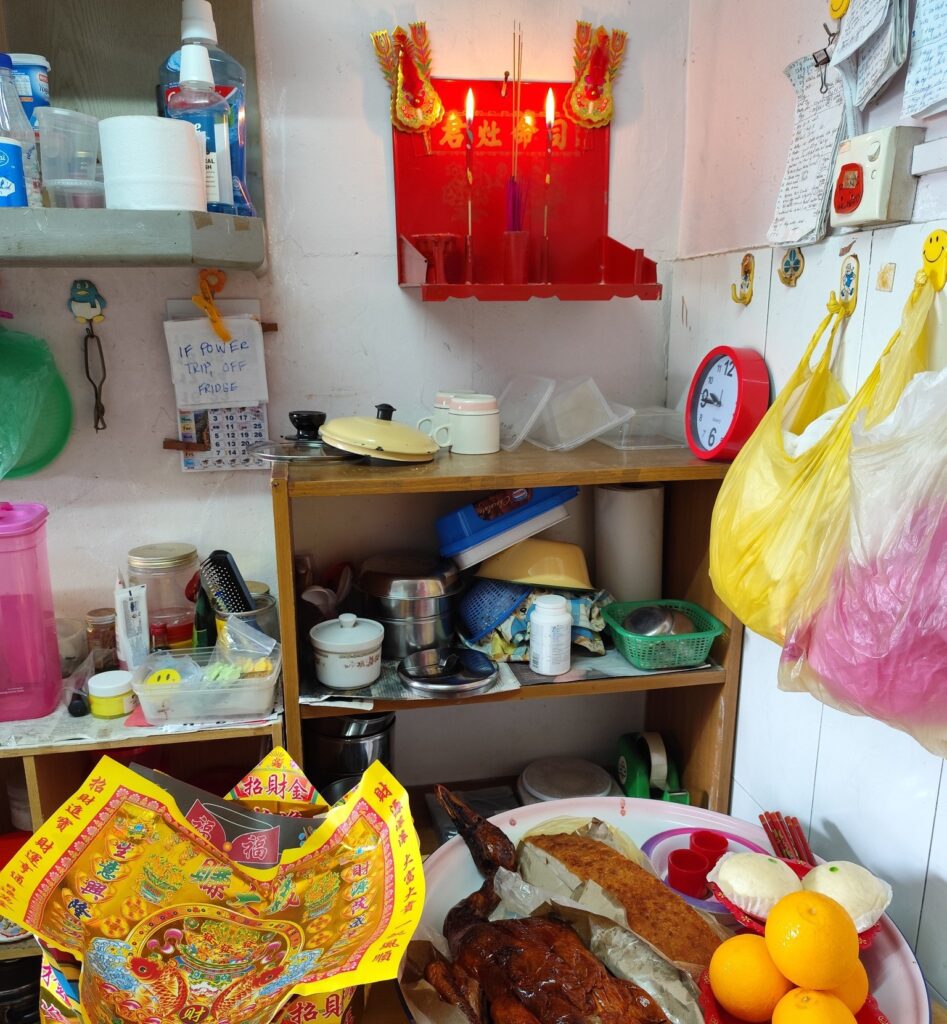
That shrine is believed to be the Kitchen God's home, usually put together with oranges, tea, or the faint smell of incense lingering in the air.
In traditional Chinese culture, the Kitchen God is believed to watch over the family's behaviour all year long. This ongoing observation is what ties him so closely to the celebration of the Chinese New Year.
According to legend, the Kitchen God returns to heaven on the 23rd or 24th day of the 12th lunar month

This is to present a full report on the family he was watching over. This "briefing" is said to influence the household's fortune for the coming year.
In Malaysian Chinese homes, especially in Cantonese and Hokkien families, this is when offerings are made. Mandarin oranges, tea, incense, and sometimes sweet nian gao are placed on his altar, symbolically meant to make his words "sweeter" when he speaks to the Jade Emperor.
On the fourth day of Chinese New Year, the Kitchen God returns from heaven after reporting
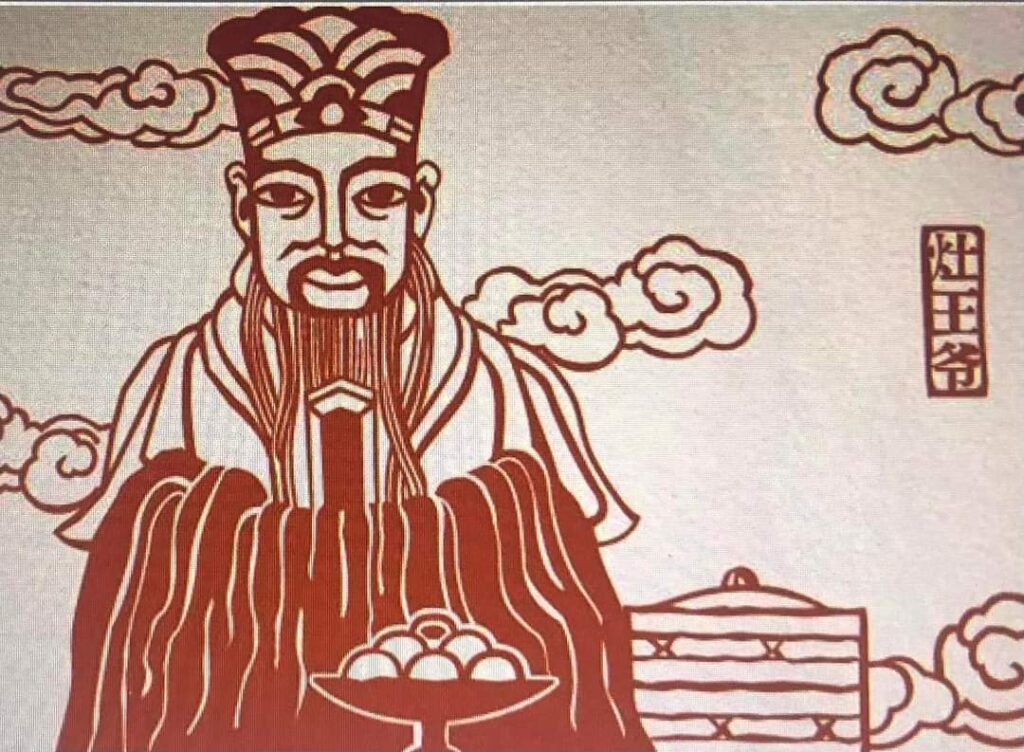
Across parts of Asia, this day is known as the moment to welcome the Kitchen God back, resuming his duty to keep watch over the household.
In Malaysia, some families, especially in Hokkien and certain Cantonese communities, mark this day with simple rituals. They may re-light altars, offer fruits or tea, or burn incense to symbolically invite the Kitchen God home.
One popular version of folklore describes the Kitchen God as 'Zao Jun', a mortal man who once lived comfortably but treated his wife terribly
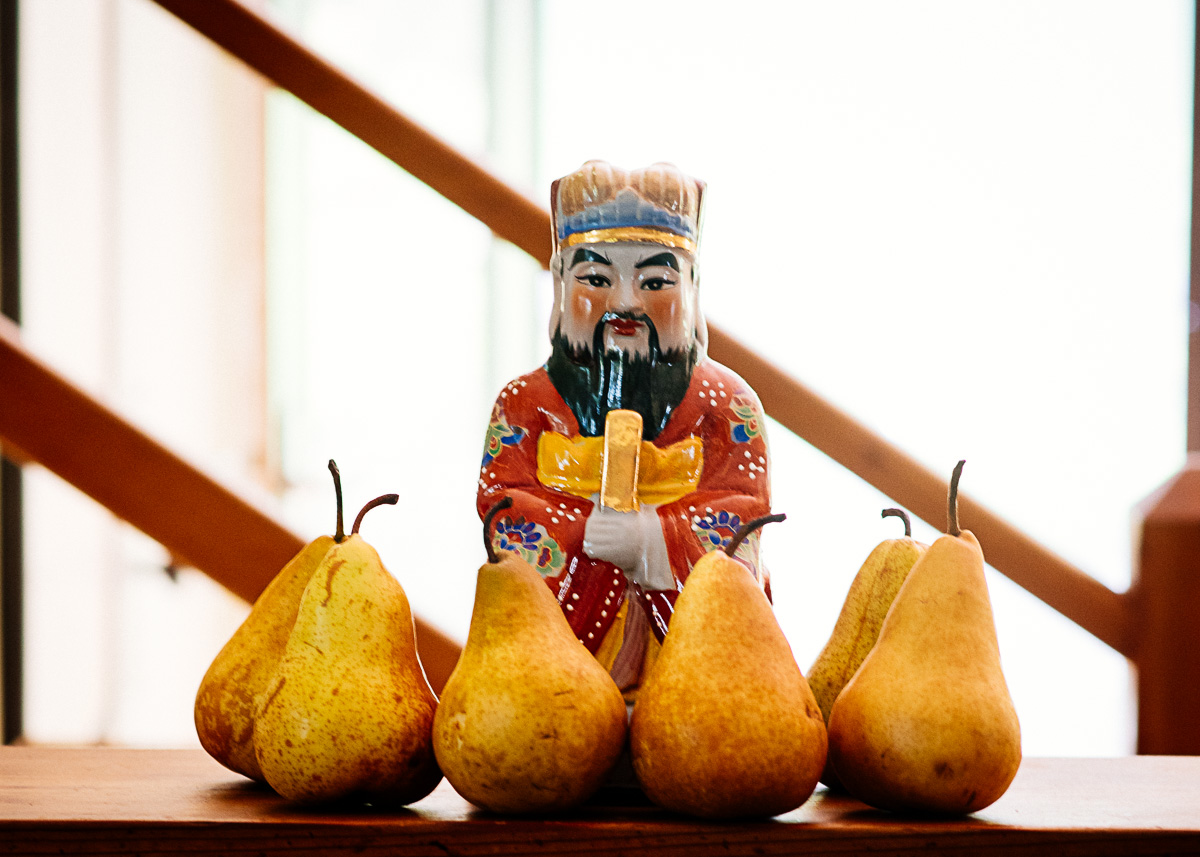
After losing everything through his own actions, he was later cared for by the same wife he had wronged. This sparked a moment that awakened his remorse.
After his death, the heavens appointed him as the Kitchen God as a reminder of humility, redemption, and second chances. Many Malaysians who know this story see him less as a strict overseer and more as a moral companion watching over the family.
