


 Cover image via
Follow us on Instagram, TikTok, and WhatsApp for the latest stories and breaking news.
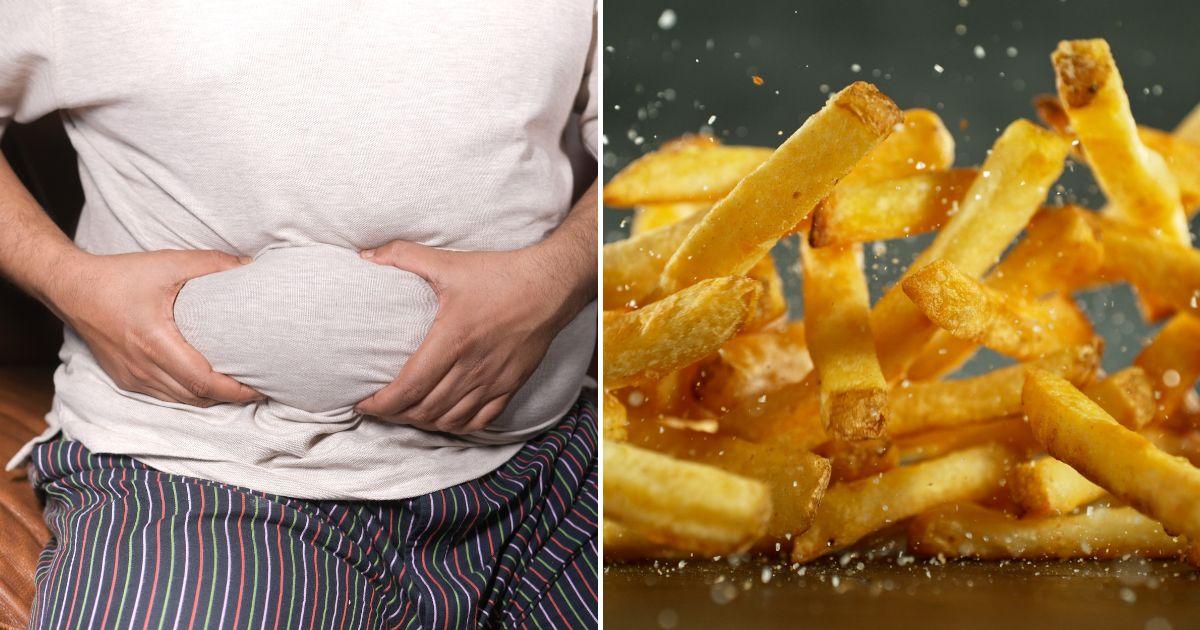
Do you get bloated after meals?
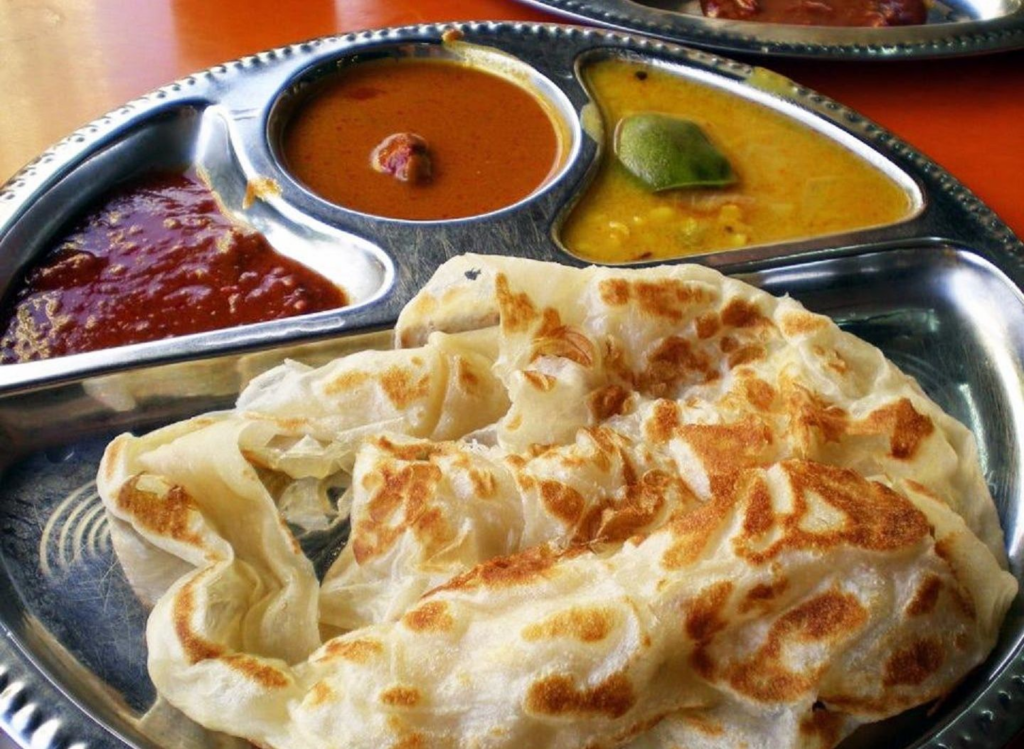
You've just had a nice big meal, maybe mamak or fast food, and suddenly your jeans feel two sizes too small.
The culprit might not be how much you ate, but what's in your food. Spoiler: it's probably sodium.
Sodium causes your body to retain water, which leads to bloating and puffiness
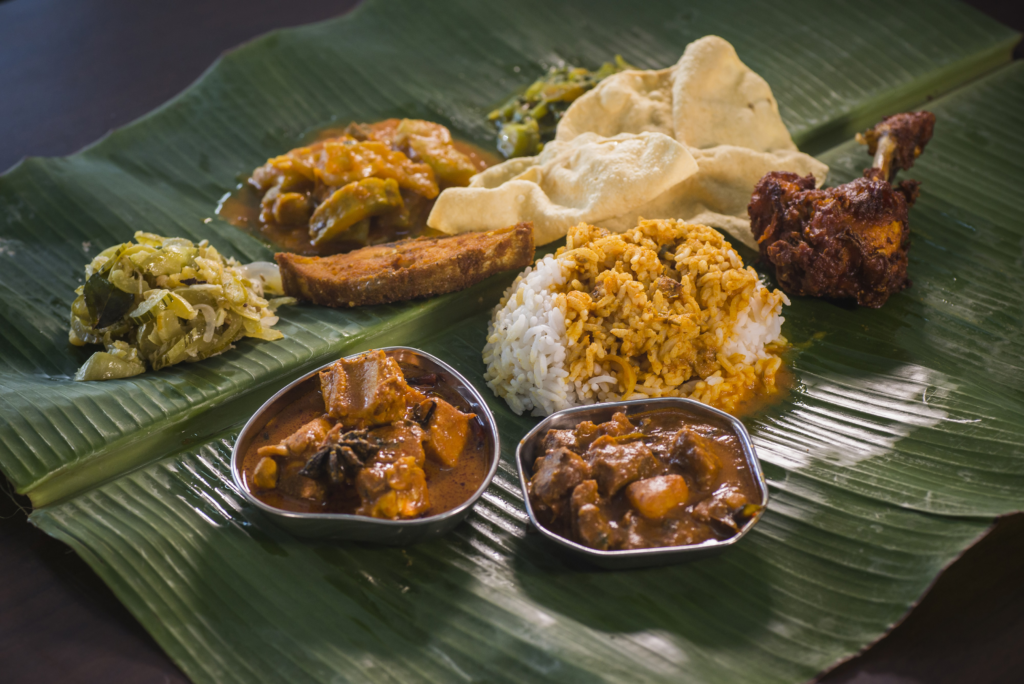
When you eat high-sodium food, your body retains extra water to balance out the excess salt in your bloodstream. This can make you feel bloated, especially in your belly, face, and hands.
Even if you drink a lot of water, sodium can still pull water into your tissues, making you feel heavy. Some people also feel gassy, though that's more to do with the type of food than sodium itself.
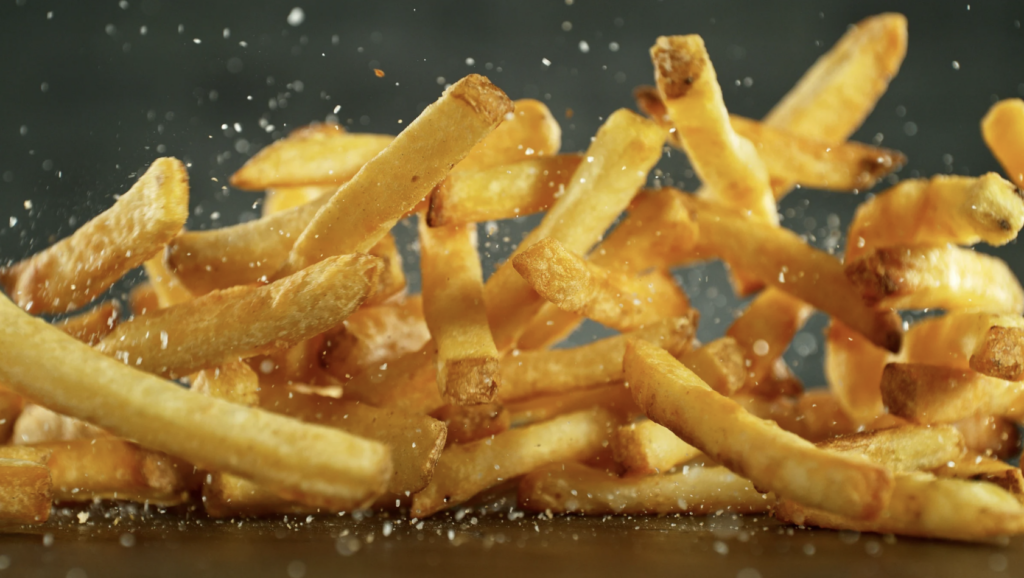
Here's the thing, most of the sodium we consume comes from processed or packaged foods, not the actual salt we add into meals. Think instant noodles, chips, frozen meals, and fast food burgers. Even sauces like kicap, soy sauce, and chilli sauce are sodium-packed.
If you wanna get rid of bloating quick, your best bet is a combo of hydration and light exercise

Drinking water helps flush out excess sodium, which is often the main culprit of bloating. By drinking more water than usual, your body starts releasing excess fluid through urine, which can reduce puffiness and that bloated feeling.
However, don't chug water all at once. Sip regularly throughout the day for best results.
Light exercise also helps stimulate digestion and move gas or trapped fluids along, especially if your bloating is due to indigestion or trapped gas. Go for a walk after makan, or do some light stretches instead of lying down immediately.
Avoid carbonated drinks or chewing gum, as they can introduce more air into your digestive system and worsen bloating.
And before you cut out sodium from your diet completely, remember: your body does need sodium to function
It helps with muscle contraction, nerve function, and fluid balance. As with all things, moderation is key.
For more #healthmatters stories:
- People Are Now Turning To AI Instead Of Humans For Mental Health, Says Psychotherapist
- Why Do Some People Have Innie Or Outie Belly Buttons? Here's What It Really Means
- Sleep Is Not A Luxury, It's An Essential — Here's Why Skipping It Messes With Everything
- 6 Healthcare Services Every Malaysian Can Get For Free At Public Clinics & Hospitals
- Primary 2 Student Suffers Total Blindness After Years Of Eating Nuggets & Sausages
