


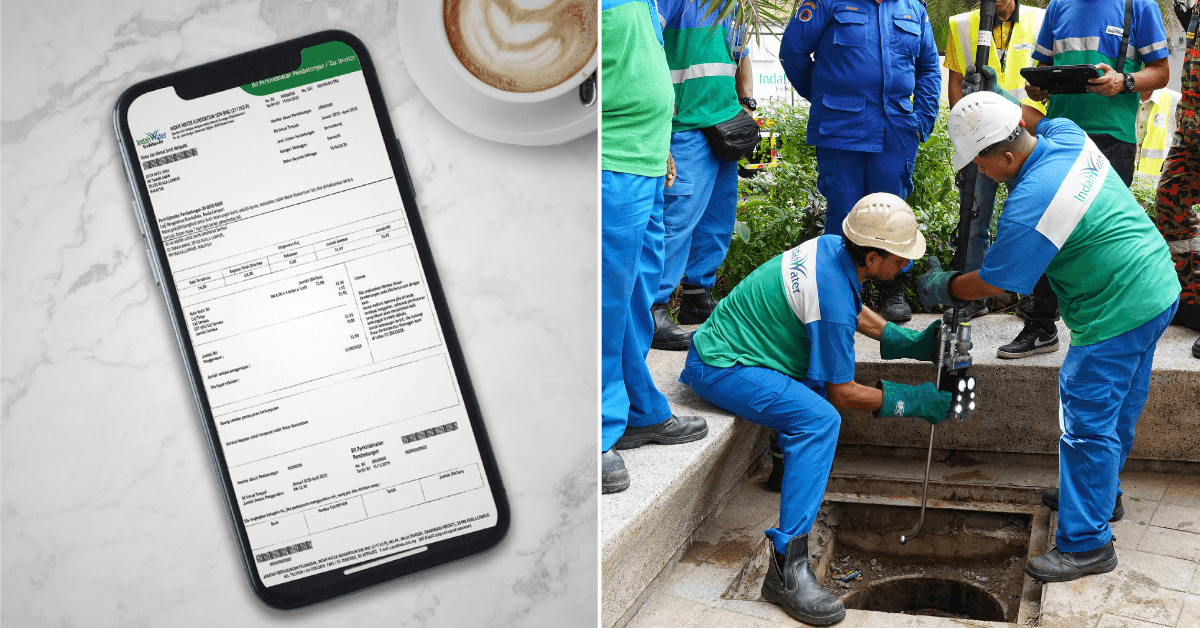
 Cover image via Indah Water Konsortium
This Spotlight is sponsored by Indah Water Konsortium.
Every time you flush the toilet, take a shower, or wash the dishes, all that wastewater disappears down the drain.
Out of sight, out of mind, right?
Not really.
In the background, there's an entire system working hard to keep our homes clean, our rivers unpolluted, and our communities safe from disease.
That system is managed by Indah Water Konsortium (IWK), the national sewerage company tasked with treating Malaysia's wastewater before it flows back into nature.
If you've ever looked at your IWK bill and asked, "Why am I paying for something I can't see?", here are four reasons why:
1. Wastewater goes through a massive process to make it safe again
Once water leaves your home, it travels through a network of underground pipes to a local sewage treatment plant, undergoing a multi-stage process to remove harmful bacteria, solid waste, and pollutants.
Ultimately, the water can be safely returned to the environment without endangering rivers, seas, or public health.
And this isn't a small job. As of 2024, Indah Water operates 9,133 sewage treatment plants and network pump stations, and manages over 22,000 km of sewer pipelines, serving more than 32 million people across Malaysia.
It's an essential part of public health and environmental safety, but because it happens underground or behind fences, most of us never see it.
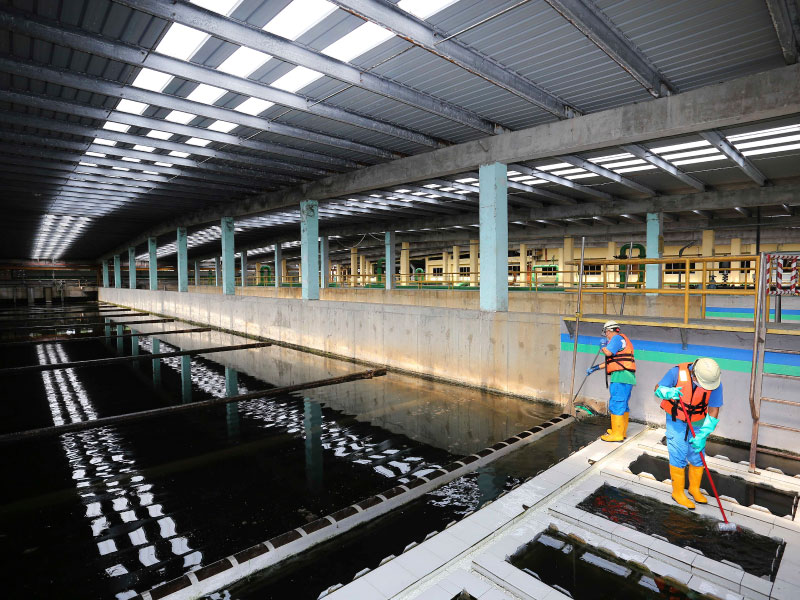
Image via Indah Water Konsortium
2. The whole process keeps Malaysians safe from harmful diseases
Even though you can't see what's happening, you can definitely enjoy the benefits of IWK's process daily.
The bills you pay help fund the infrastructure, manpower, and technology needed to safely treat wastewater on a national scale.
This includes operating treatment plants 24/7, conducting regular maintenance, upgrading ageing systems, and managing emergency responses when sewer lines break or overflow (especially during monsoon season).
Without this work, untreated wastewater could flow directly into rivers, spreading bacteria like E. coli, and contributing to outbreaks of waterborne diseases like cholera and typhoid.
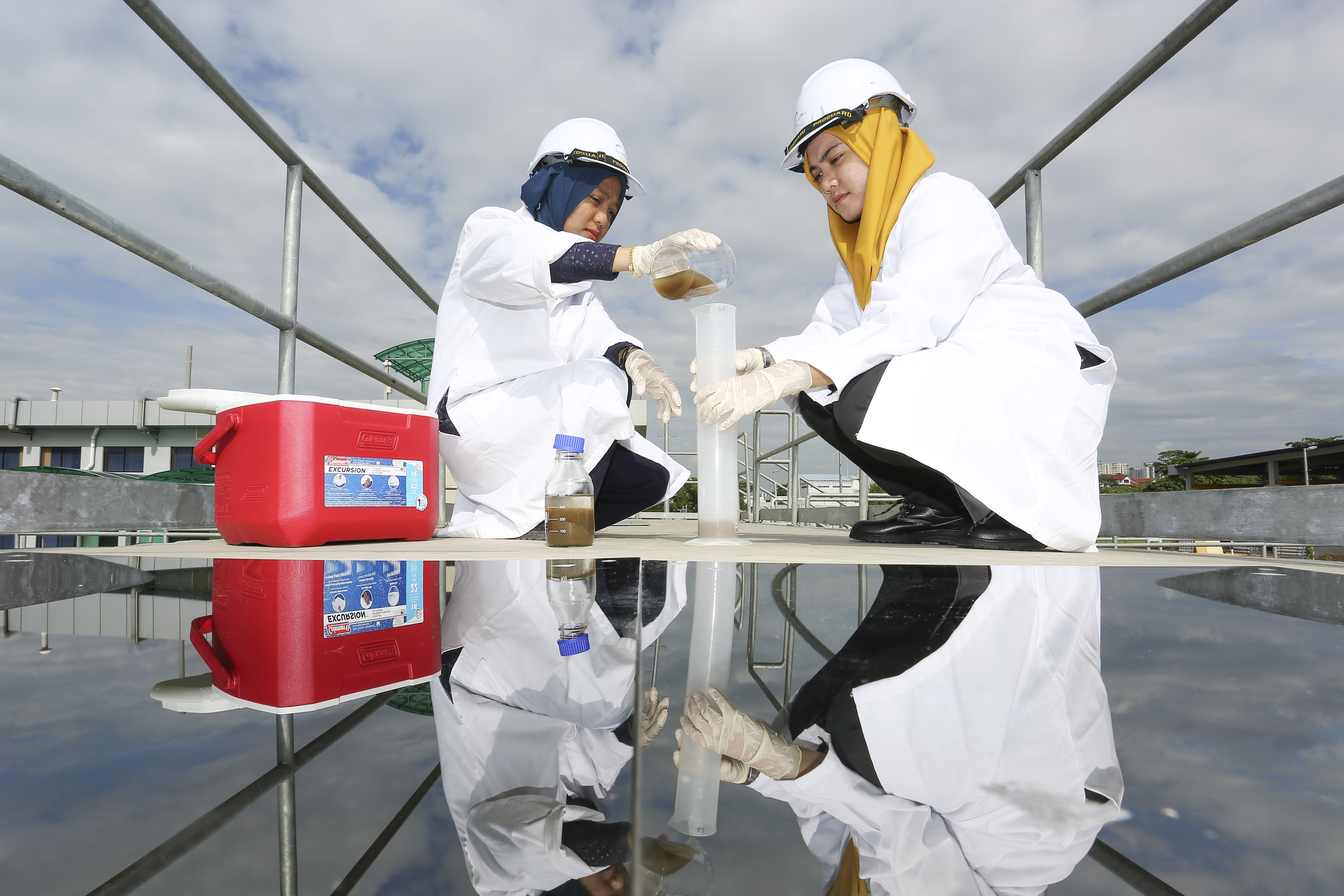
Image via Indah Water Konsortium
3. Malaysians produce so much wastewater, and someone needs to take care of it
IWK treats and releases approximately 7.03 billion litres of wastewater per day, ensuring it meets stringent environmental safety standards.
If left untreated, this wastewater can pollute waterways, harm marine life, and make water sources unsafe for both humans and wildlife.
IWK's job is to treat this waste and reduce pollutants, ensuring the final output is clean enough to re-enter the ecosystem without doing harm.
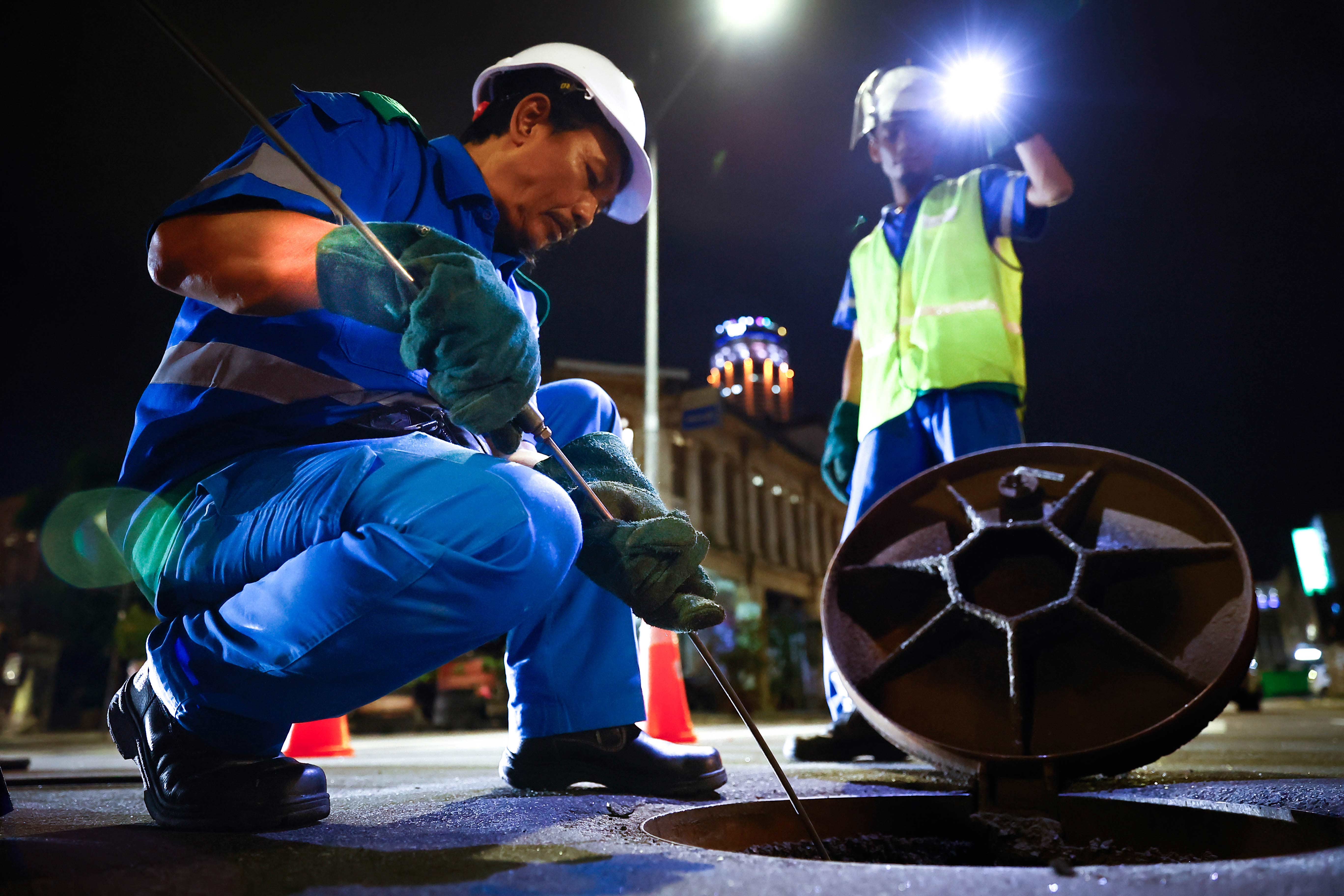
Image via Indah Water Konsortium
4. This behind-the-scenes work is important for the economy
There are also economic upsides to paying your IWK bills. Polluted rivers affect tourism, fishing industries, agriculture, and even our drinking water sources, which ends up being bad for the economy.
By keeping sewage out of waterways, IWK plays a key role in supporting Malaysia's long-term sustainability goals, such as aligning with United Nations' Sustainable Development Goal 6, which promotes clean water and sanitation for all.

Image via Asian Trails
So the next time you flush or wash your dishes, remember that sanitation is a shared responsibility
Public utilities like IWK only work if people understand their role in the system. Paying your sewerage bill isn't just a civic duty, but also a contribution to public health, clean water, and a better Malaysia.
If you want to know more about what Indah Water does behind the scenes, visit this website.


