 Cover image via
Follow us on Instagram, TikTok, and WhatsApp for the latest stories and breaking news.
When people think of ancient forests, the Amazon usually comes to mind. But here's a mind-blowing fact: Malaysia's rainforests are estimated to be around 130 million years old.
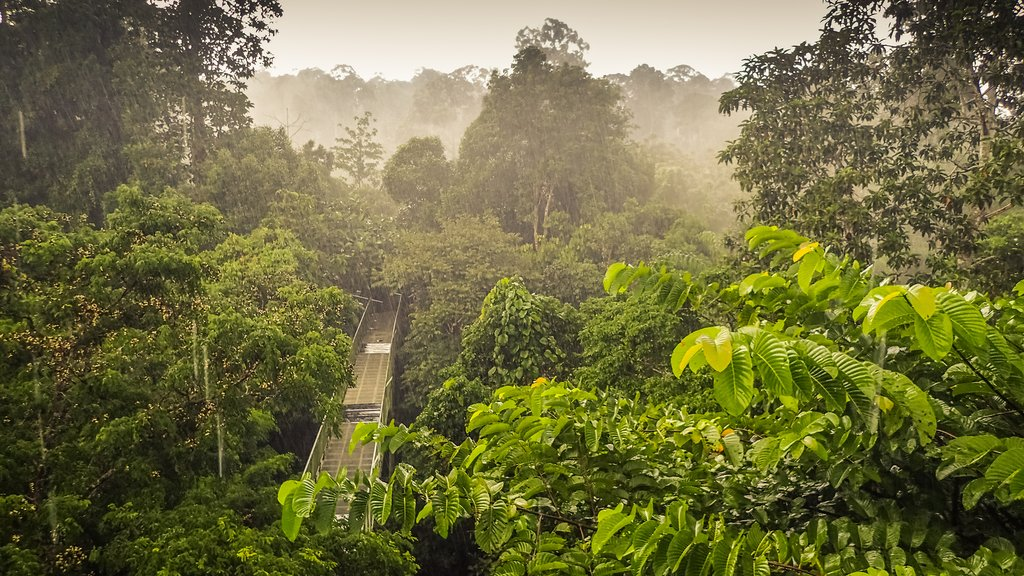
This means Malaysia's rainforests are even older than the Amazon, which is about 55 million years old. They've been around since the age of the dinosaurs!
In fact, Malaysia's rainforests are far older than some of the world's most famous landscapes, like Yellowstone in the US, the Serengeti in Africa, and Banff in Canada.
Places like Taman Negara and Gunung Tahan are like living museums, remnants of a forest that has survived shifting continents, changing climates, and countless extinctions.
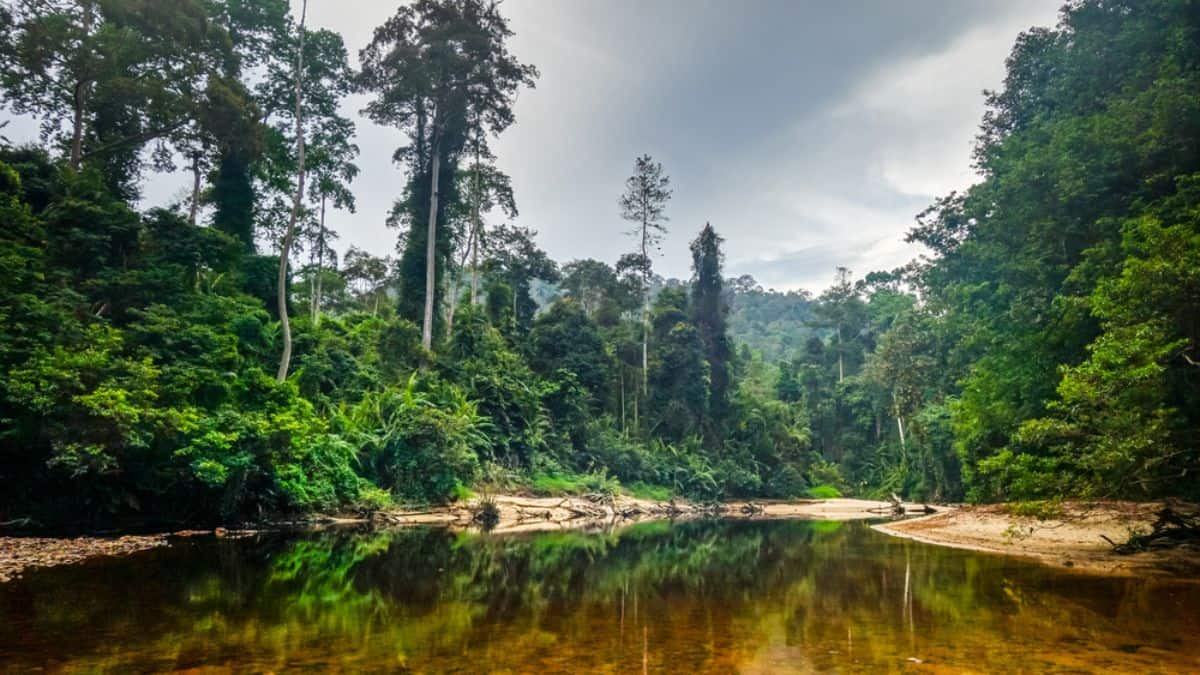
While Europe and North America had their forests wiped out by massive ice sheets during the Ice Age, Southeast Asia didn't freeze over
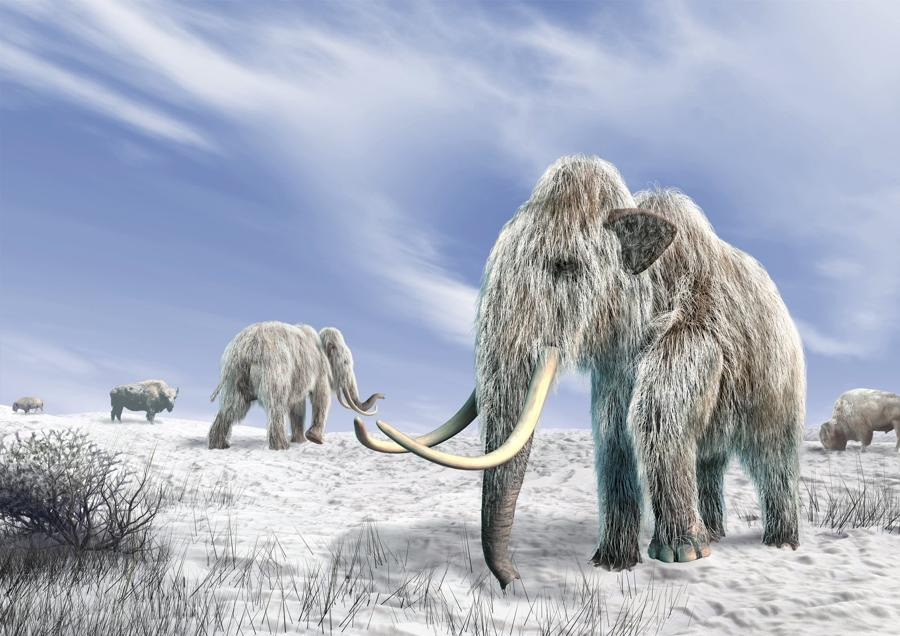
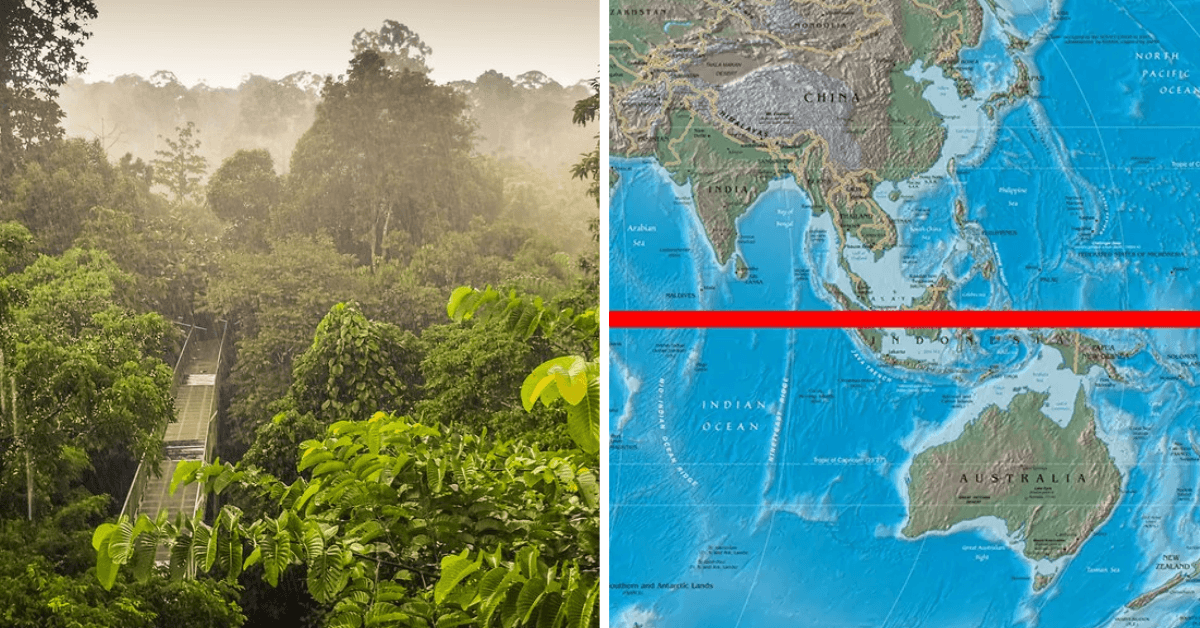
Malaysia stayed warm and tropical because it sits near the equator. When giant glaciers covered much of the northern hemisphere, they only reached as far as Europe and parts of North America — but never this far south.
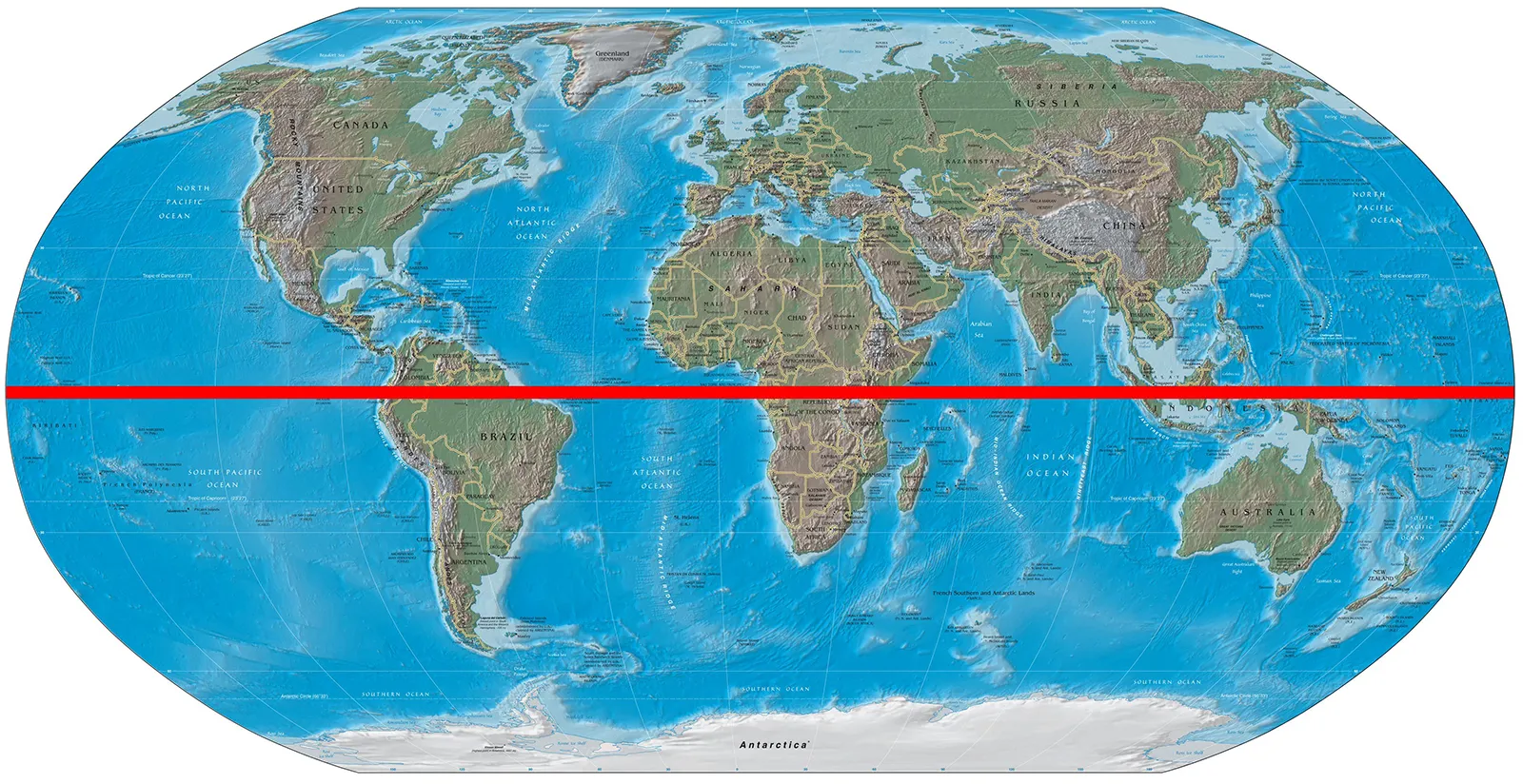
Even during cooler times, sheltered spots like valleys and mountain slopes kept enough warmth and moisture for plants and animals to survive. These natural "safe zones", also known as "refugia", helped the rainforest endure until the climate returned to normal.
Thanks to this stability, Malaysia's jungles never had to start over like northern forests. They kept evolving for millions of years, building up incredible layers of biodiversity that still exist today.
Another reason our jungles have survived for millions of years is that vast stretches remained largely untouched by humans
Because of this, ancient species like the Malayan tapir, hornbills, and the Rafflesia were able to survive, even as they vanished elsewhere.
In many other regions, forests were cleared over time for farming, logging, and expanding cities, leaving only smaller patches behind. Malaysia's story is unique because its rainforest has remained largely intact for millions of years.
Malaysia's rainforests also boast a truly unique geological history
Peninsular Malaysia, including areas like Taman Negara, was shaped over 100 million years ago during the Jurassic and Cretaceous periods — times when dinosaurs roamed the Earth and the continents were slowly drifting into the positions we know today.
During this time, the continents slowly moved, oceans changed, and volcanoes helped shape the land. In Peninsular Malaysia, these forces created mountains, valleys, and rivers that gave rainforests a perfect home to grow and survive for millions of years.
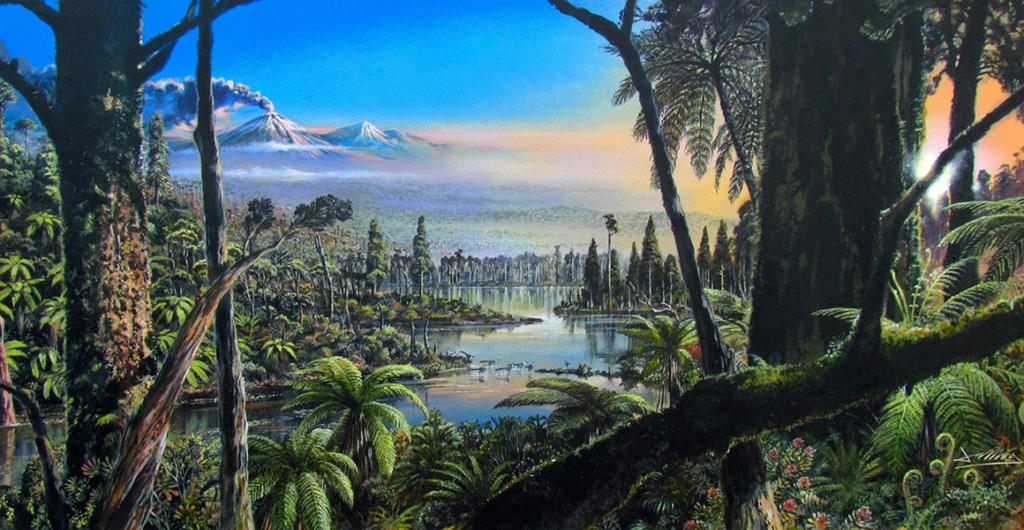
Its ancient mountains and valleys created a stable foundation where rainforests could take root, survive, and thrive through millions of years of change.
Because the land itself is so old, the ecosystems that grew on top of it had the chance to keep evolving without being wiped out.
Thanks to millions of years of uninterrupted growth, Malaysia's rainforests boast some of the planet's richest biodiversity
In Peninsular Malaysia alone, there are over 15,000 species of flowering plants, and in just one hectare of rainforest, you might find up to 300 different tree species. That's more variety in a single patch of jungle than in many entire countries!
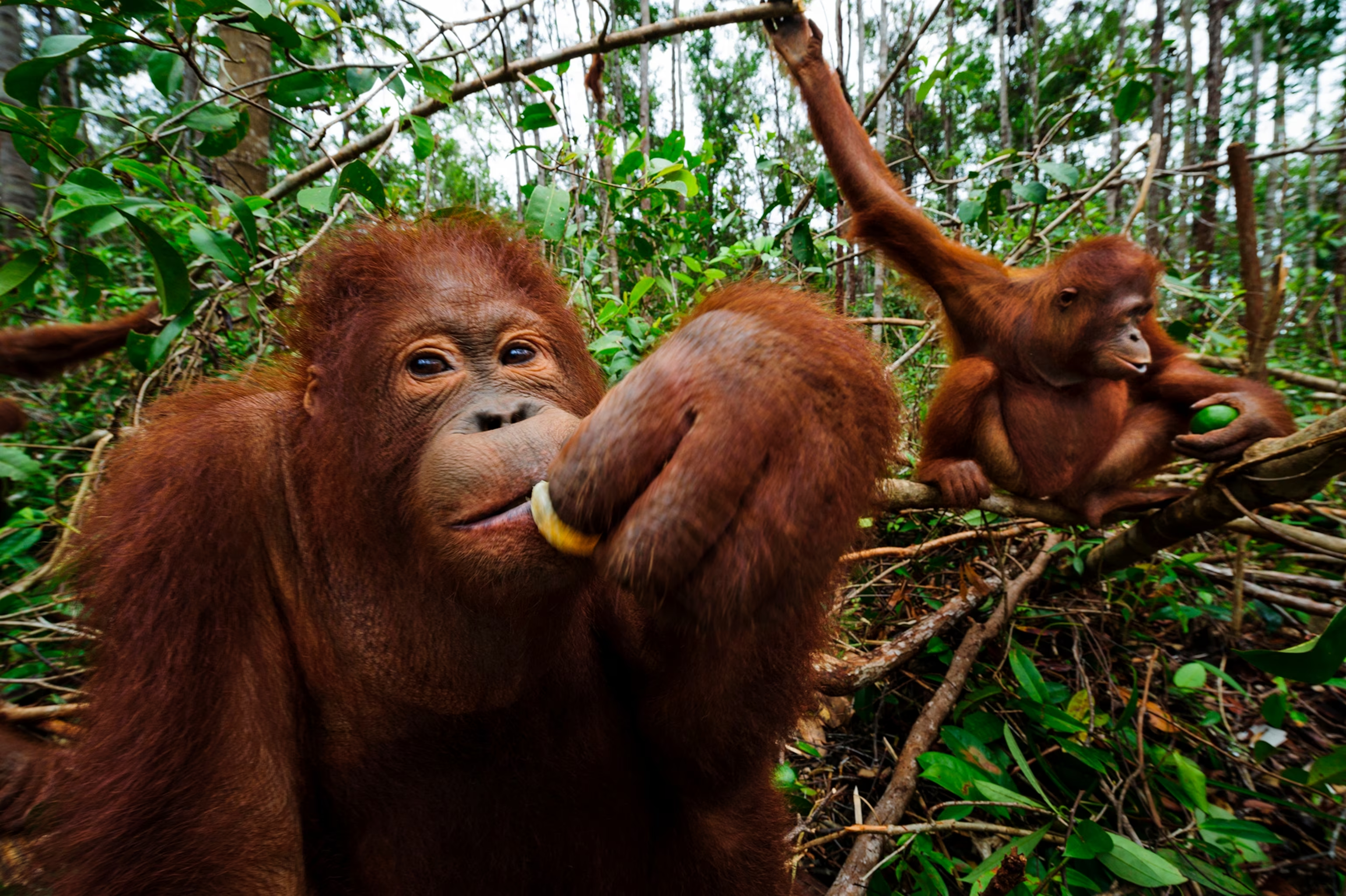
Animal life here is just as extraordinary. The forests are home to some of the world's most iconic and endangered species, including the Malayan tiger, Asian elephant, and the Bornean orangutan. Many of these creatures exist nowhere else, making Malaysia's rainforests irreplaceable for global biodiversity.