


 Cover image via Salhani Ibrahim/New Straits Times
Follow us on Instagram, TikTok, and WhatsApp for the latest stories and breaking news.
The Employees Provident Fund's (EPF) new Retirement Income Adequacy (RIA) framework recalibrates how much Malaysians need to save for retirement
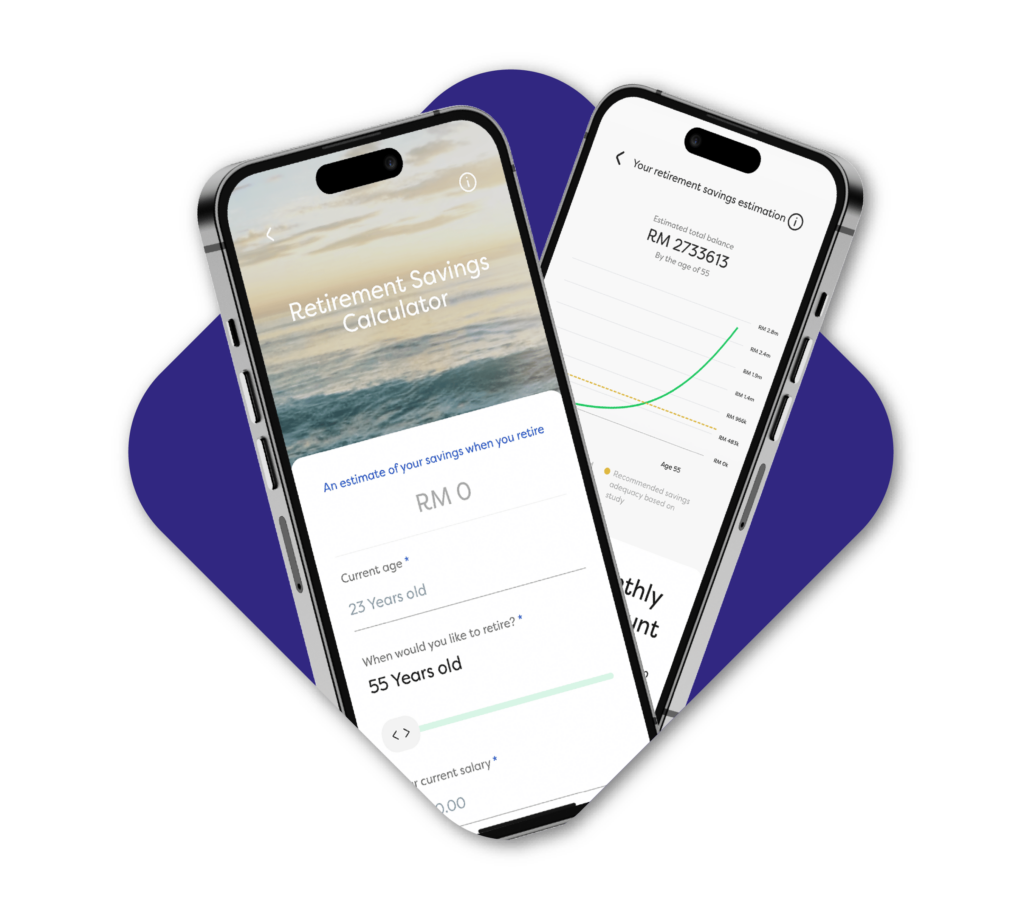
Under the revised guidelines, the "enhanced" savings benchmark is now estimated at RM1.3 million to RM1.5 million, up from the previous RM1 million standard.
Dr Mohd Yusof Saari, chief executive officer and chief economist of Centre for Future Studies Bhd, told the New Straits Times that the changes are necessary to ensure that retirement savings genuinely support life in old age.
"The old approach, which considered RM1 million in savings as adequate, allowed large early withdrawals, exposing contributors to the risk of depleting their funds in old age," he explained.
He noted that under the previous system, a 50-year-old member with RM1 million in savings could withdraw up to RM300,000, leaving RM700,000 in their account.
If retirement lasted 30 years, that would provide only around RM1,940 per month, insufficient to keep up with rising living costs, medical expenses, and housing inflation.
The RIA framework is designed to address this gap
It now separates savings into Basic and Enhanced levels, allowing early withdrawals only if the remaining balance can still provide a minimum retirement income.
- Basic Savings: ~RM390,000, providing roughly RM1,300 per month — enough for subsistence, not a comfortable retirement.
- Enhanced Savings: RM1.3–1.5 million, ensuring retirees can maintain a reasonable standard of living for 25–30 years.
According to the English daily, for members who have not yet reached adequacy, early withdrawals are either prohibited or strictly limited, for example, RM50,000–RM100,000 only for genuinely critical purposes.
Mohd Yusof added that the new thresholds mean a 50-year-old member with RM1 million in EPF has not yet reached adequacy and should retain most of their savings to protect a minimum retirement income.
While the recalibration is critical for long-term financial security, the policy advisor cautioned that short-term impacts cannot be ignored
This is particularly true for low-income households facing health emergencies, job loss, or other economic shocks.
"EPF protects the future, while social assistance addresses immediate needs. Without this support, vulnerable groups could be caught between urgent cash needs and locked retirement savings," he said.
He stressed that the success of RIA depends on complementary policies, including financial aid, income-loss protection, alternative emergency mechanisms, and coordination between EPF, Perkeso, and welfare agencies.
At the same time, broader measures such as improving wages, productivity, and financial literacy are essential so Malaysians can build enhanced savings throughout their working lives, not just rely on retirement funds for security.
EPF has confirmed that it will gradually raise the savings threshold for members with excess balances from 2026, giving members more flexibility while ensuring a stronger retirement safety net.
